
Superior Zinc Coat Protection – Metallisation
We would like to bring to your attention our Metallisation pure zinc coating, which offers superior protection for car bodies after blasting, comparable only to hot-dip galvanising. This protective quality is further enhanced by incorporating black phosphate.
Our coating can be applied to suspension, underbody, inner floor pans, engine bays, and any steel parts vulnerable to corrosion and wear.
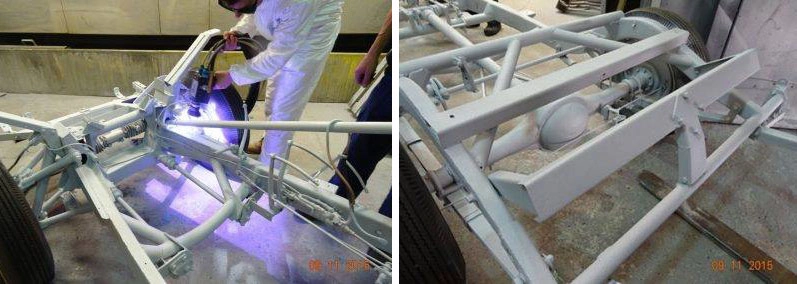
After blast cleaning and preparation, this pure zinc coating is applied using a thermal Arc spray gun, which delivers molten pure zinc to the prepared surface. You can see this process in action below
Protecting Vehicles from Wear and Corrosion
Automotive protective coatings are specialised treatments applied to various car components to safeguard them against damage caused by heat, corrosion, friction, general wear, and persistent mechanical stress. These coatings create a robust, enduring barrier that supports the reliable operation of metal parts over time.
protection from the elements
Vehicles encounter numerous challenges, including exposure to moisture, salt, chemicals, extreme temperatures, and continuous motion. Over time, these factors can degrade untreated components, resulting in rust formation, surface deterioration, or even mechanical failure. The application of protective coatings substantially mitigates the risk of such outcomes, thereby extending the operational lifespan of components and maintaining optimal performance.
We have many years experince in car body shell blasting.
If you would like advice or discuss the Superior Zinc Coat Protection for your car body shell, please do not hesitate to get in touch.
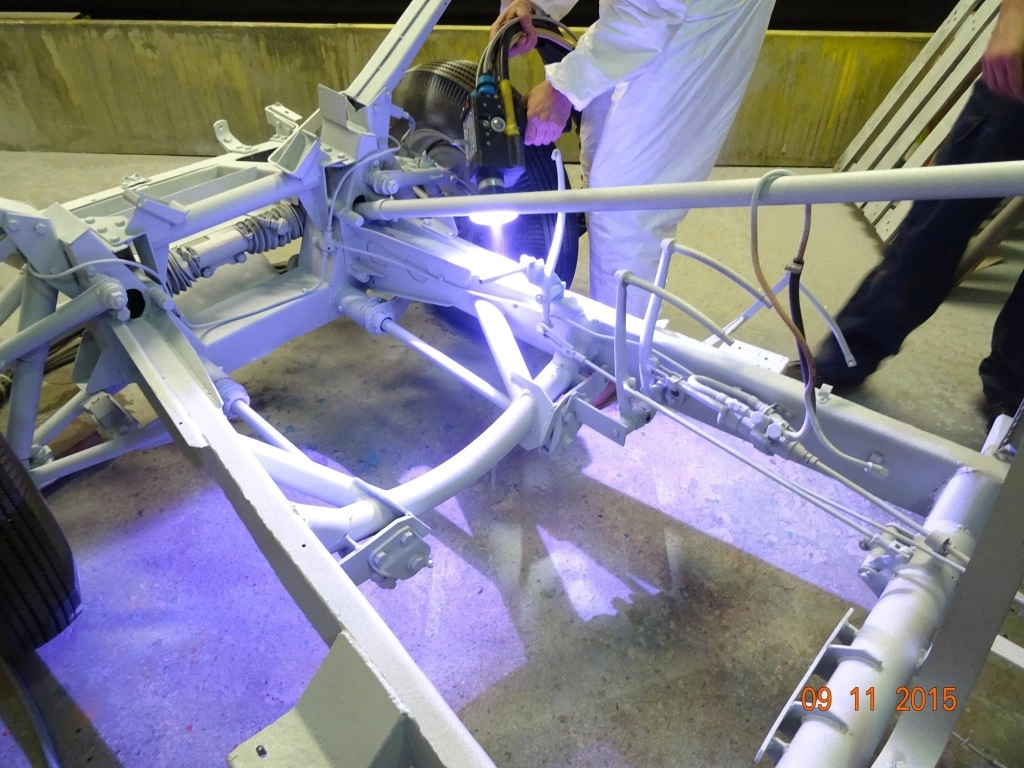
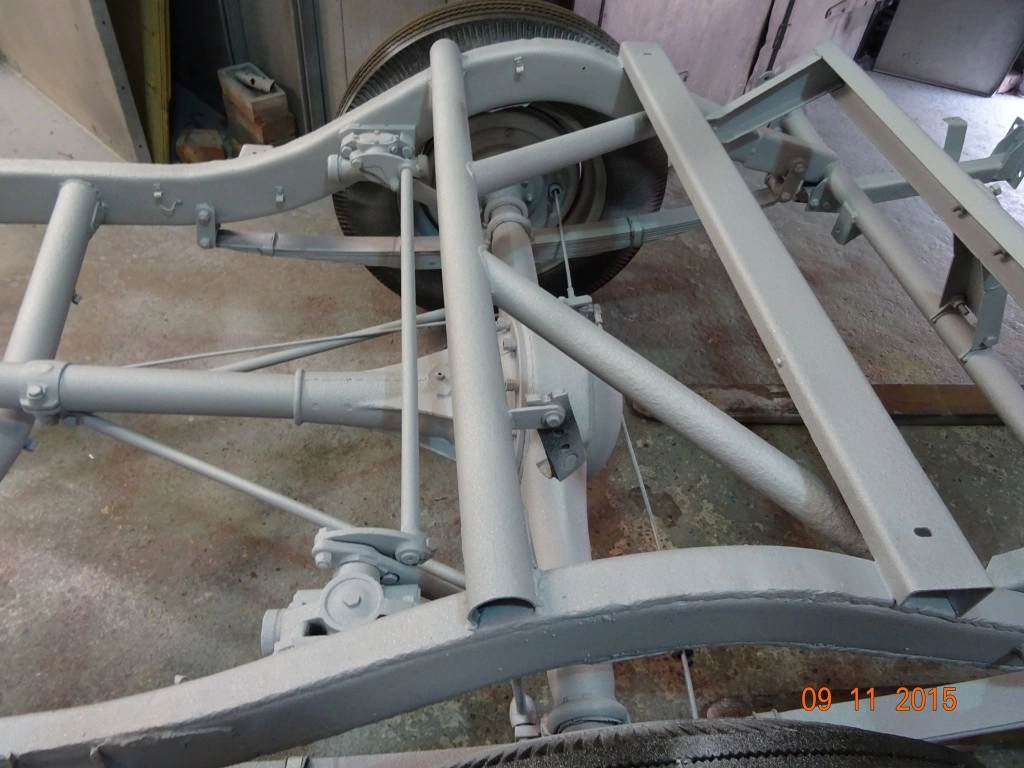
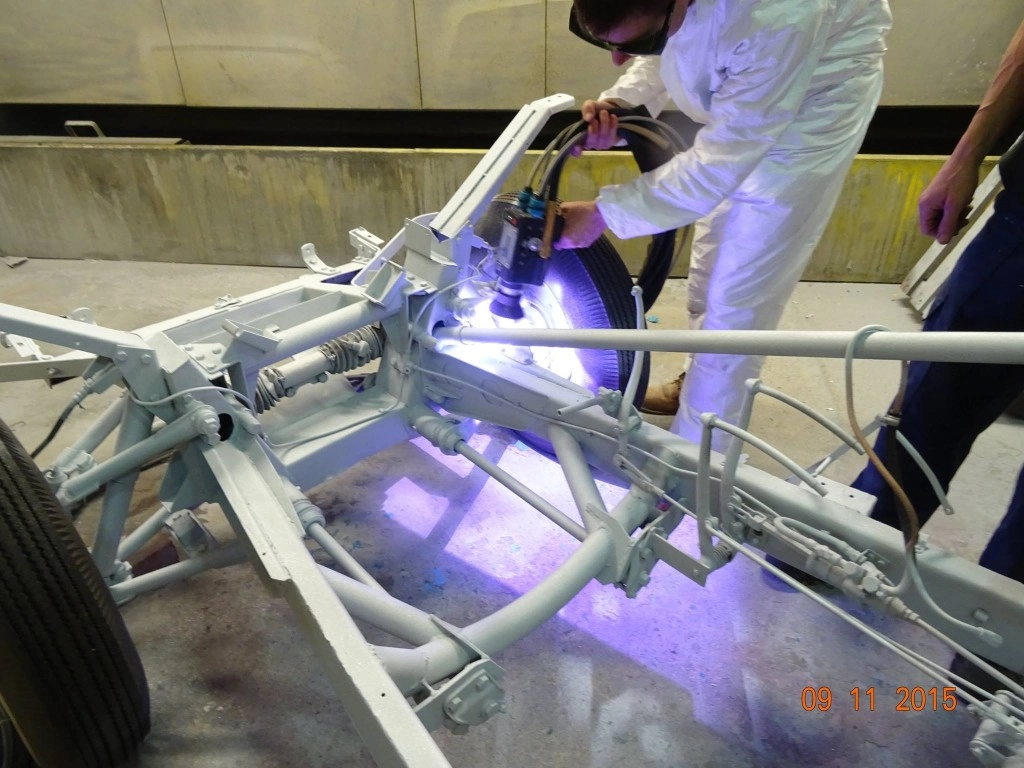
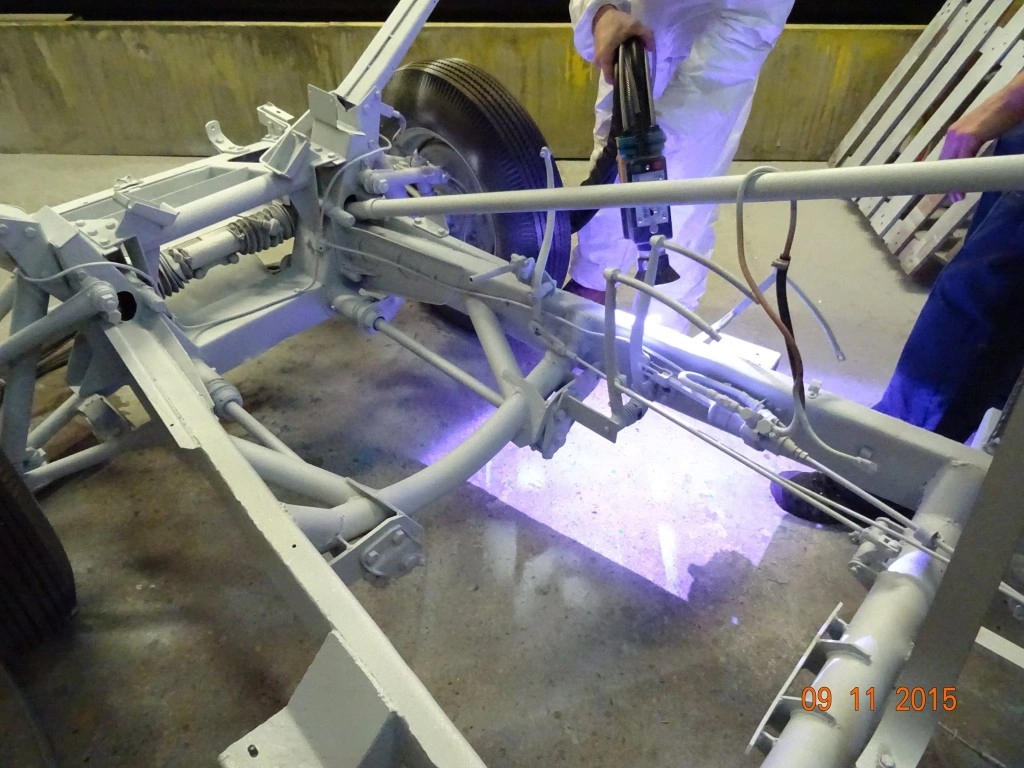
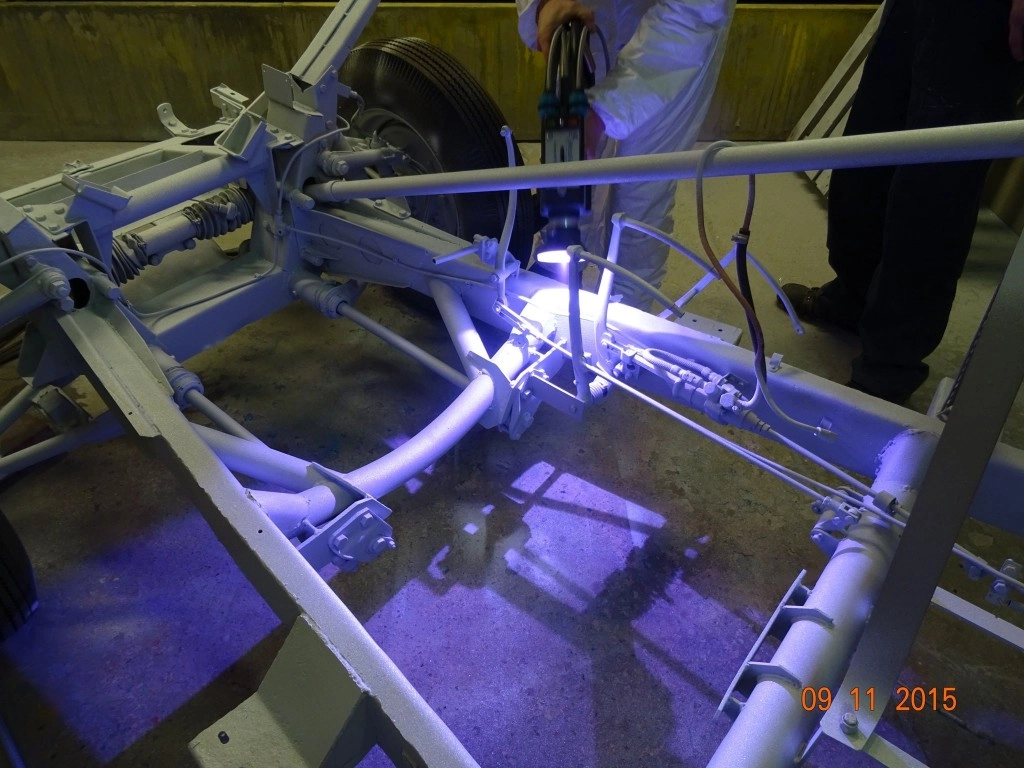
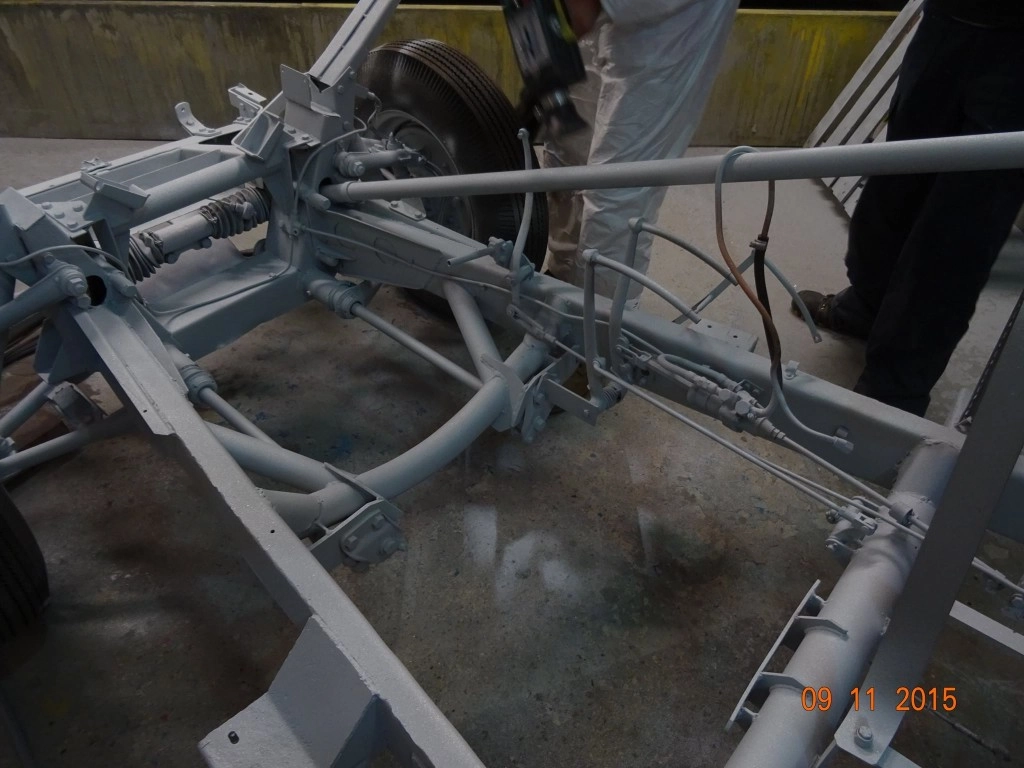
Superior Zinc Coat Protection in action
What is Metallising?
https://www.metallisation.com/videos/arcspray-process/
Metallising is a general term used to describe the process of applying a metal coating on the surface of an object. These coatings serve numerous functions and can be classified as either Finish coatings (anti-corrosion and decorative coatings) or engineered coatings (wear-resistant)
Metallising is a relatively more complex process than anti-corrosive painting. During this method, the coating metal is liquefied, atomised and propelled onto the substrate. The coating metal comes in the form of a solid wire, which is heated and melted in a chamber. Millions of liquid particles are then ejected from the chamber, where they overlap and solidify on the surface to form a protective coating. Metallised surfaces, therefore, have a significantly longer life expectancy than those painted with traditional protective coatings.
As stated previously, metallising involves the projection of molten metal particles onto another surface. The molten metal particles are created by applying a heat source to a solid metal wire (usually aluminium or zinc), followed by an atomization/projection method. When the ejected molten particles come into contact with the substrate, they cool and form a mechanical bond on the surface. As the process continues, the particles bond with each other as the thickness of the coating increases.
Metallising, like all coating processes, starts with substrate preparation. Cleaning methods, such as abrasive blasting, ensure that imperfections, defects and surface contaminants that may adversely affect the coating are removed. (Preparation techniques are examined in Substrate Surface Preparation for Corrosion Prevention.) Next, the appropriate wire material is melted while clean compressed air sprays the droplets onto the substrate to form the coating.
Metallising protects metallic surfaces from corrosion by offering one or both of the following protection mechanisms:
In most steel structures, corrosion requires two essential ingredients: air and moisture. When the metal particles solidify and bond with the structure’s surface, they form an impervious barrier, which prevents air and moisture from coming into contact with the substrate. For example, zinc, a standard coating material, reacts with the atmosphere to form a thin layer of zinc carbonate, which is highly durable and corrosion-resistant.
Given that the right combination of coating and substrate materials is paired together, metallising can also provide galvanic protection. During this protection method, the underlying steel substrate is protected by allowing the coating metal to corrode preferentially. For example, if the coated object is cut or scratched such that the substrate becomes exposed, then the metal coating will sacrifice itself by corroding first.
Metallising is commonly used to protect objects that are too heavy or too large for Hot-dip galvanising.
Arc spraying involves melting the solid coating material using an electrical arc. The typical arc spray process consists of two electrically charged wires aligned in a V-shape. The wires then converge at a point to create an electrical arc. An air nozzle applies a jet of compressed air that atomises the molten metal and projects it toward the substrate.
Protecting External Steel from Wear and Corrosion
If you’re responsible for maintaining external metalwork, corrosion is likely a concern. Moisture, salt in the air, pollution, and temperature changes all take their toll over time. Left untreated, steelwork begins to rust, weakening both appearance and strength.
Whether it’s balconies on a residential block, railings outside a public building, fences along a coastal property, or other forms of architectural steel, we offer a proven method to help extend the lifespan of these installations – thermal spray coatings.
For contractors, developers and architects, it’s a chance to deliver something that lasts without locking yourself into constant maintenance cycles.
Zinc is widely used in arc spraying for anti-corrosion protection and various other applications. When zinc is thermally sprayed onto a surface, it acts as a sacrificial layer, protecting the underlying material. This coating is particularly effective in environments with a pH of 5 or higher, extending the time before the first maintenance is needed. Zinc coating can also be combined with sealers and paints.

Our Opening Times:
Monday to Thursday: 9.00am – 5.00pm
Friday: 9.00am – 4.00pm
Saturday: By arranged appointment
Closed Bank Holiday weekends
You can also find us on:
www.performance-coatings.co.uk | www.powdercoated-customcarparts.co.uk
Copyright © 2025 MSBPCL. All Right Reserved.
Designed by Applied Image Limited