Blast Cleaning
Before blasting work, steam cleaning is essential to remove salts oil and general contaminants. Once blasted, a full check is carried out for rust damage, broken welds or fitting.
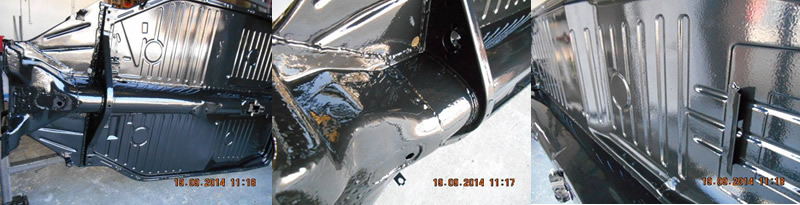
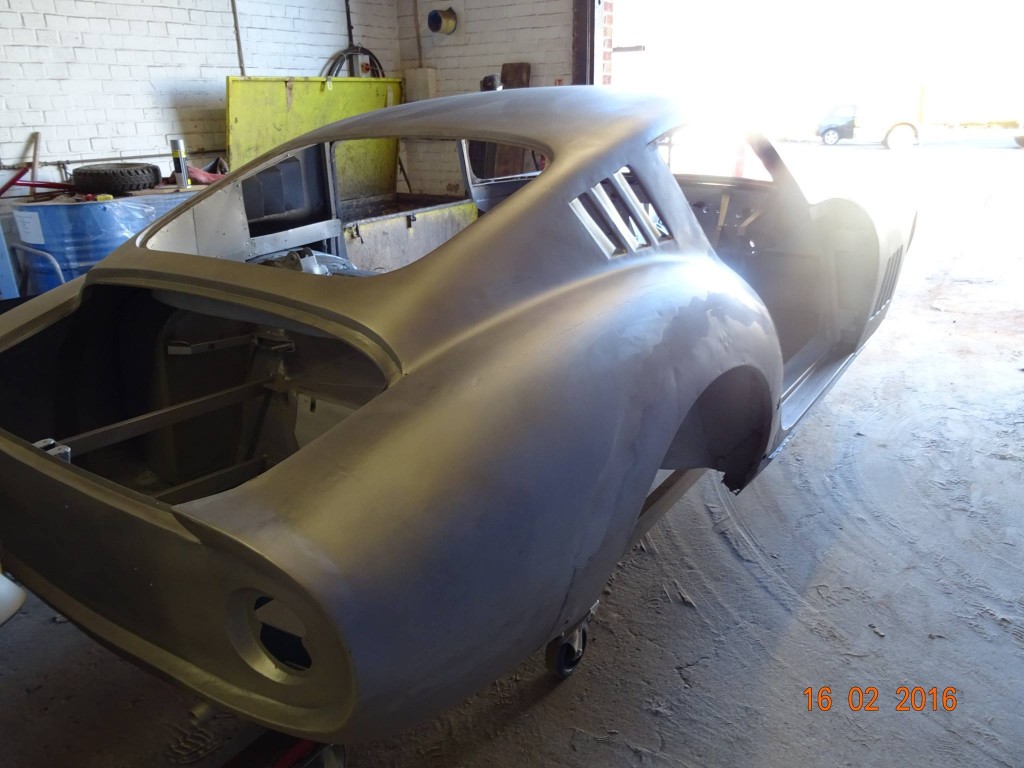
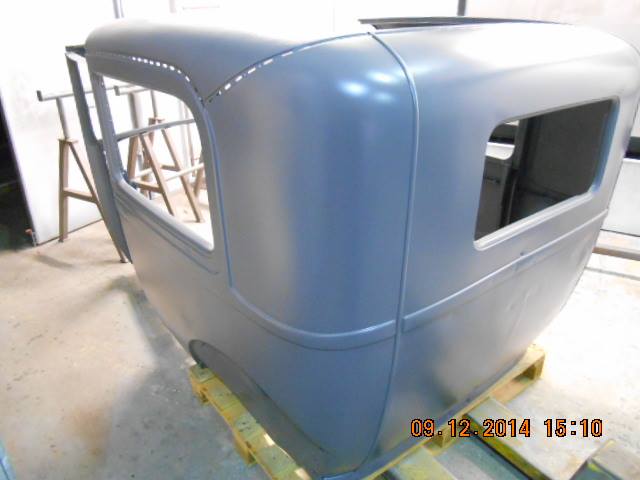
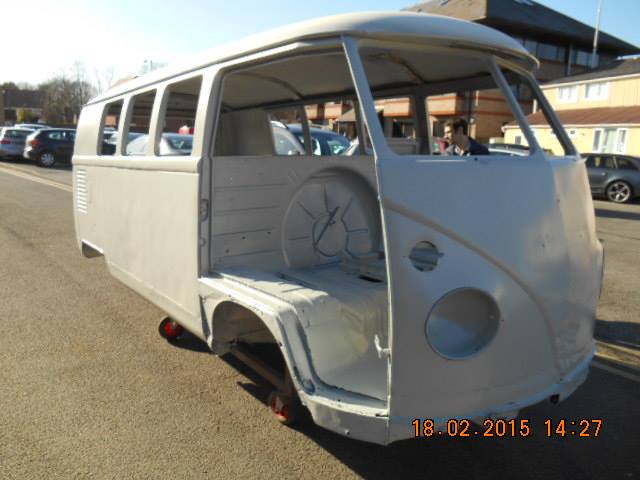
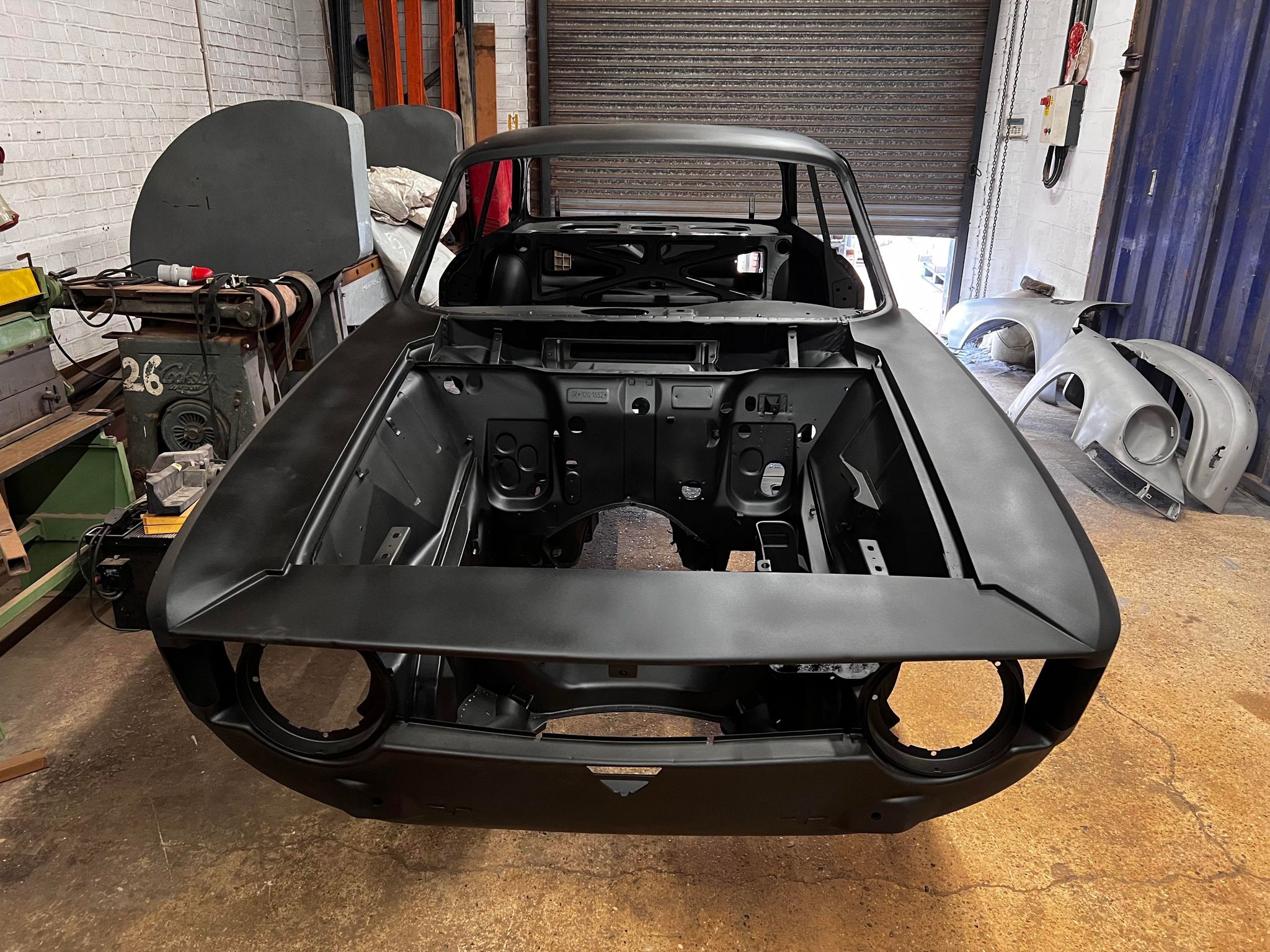
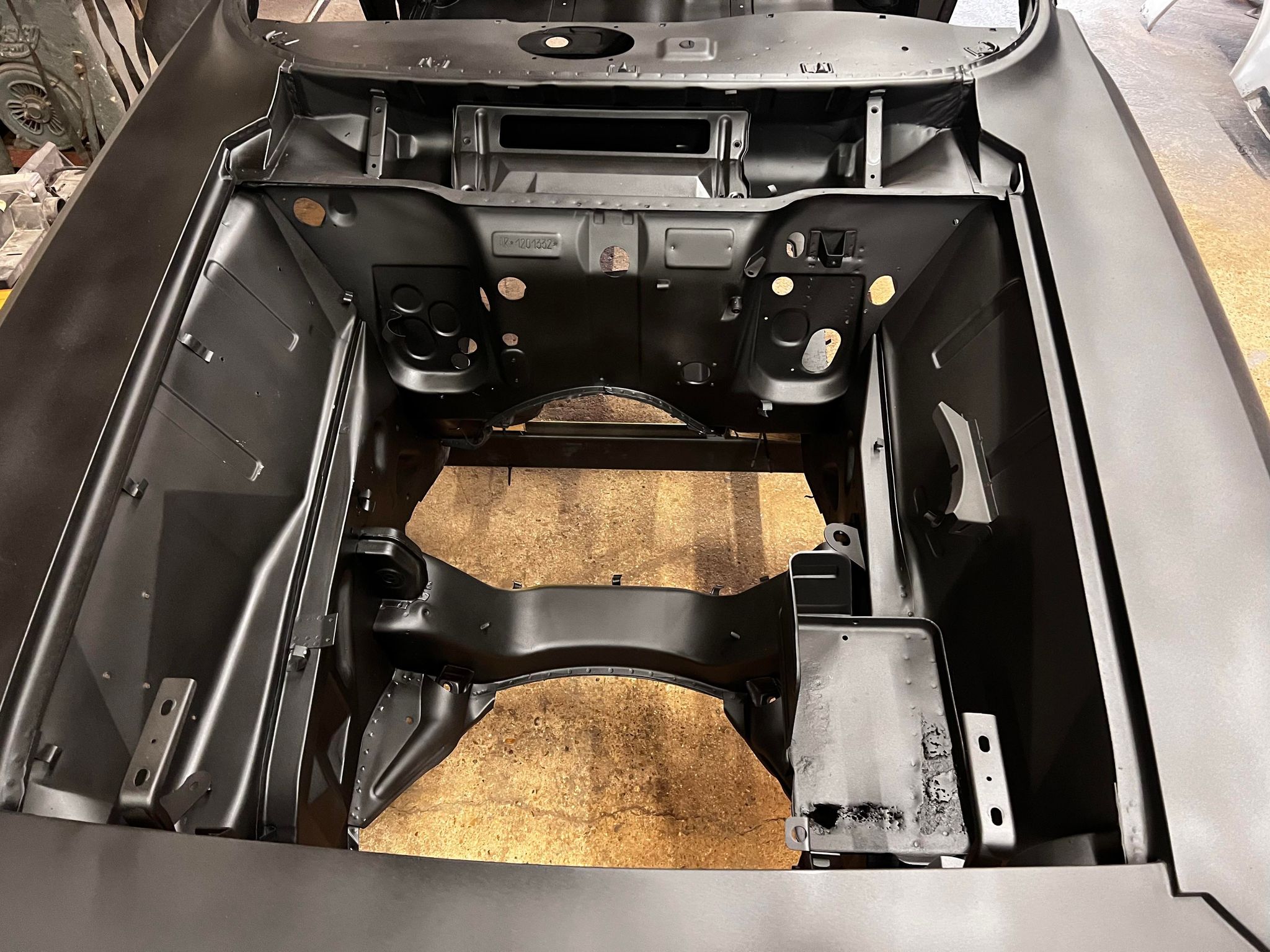
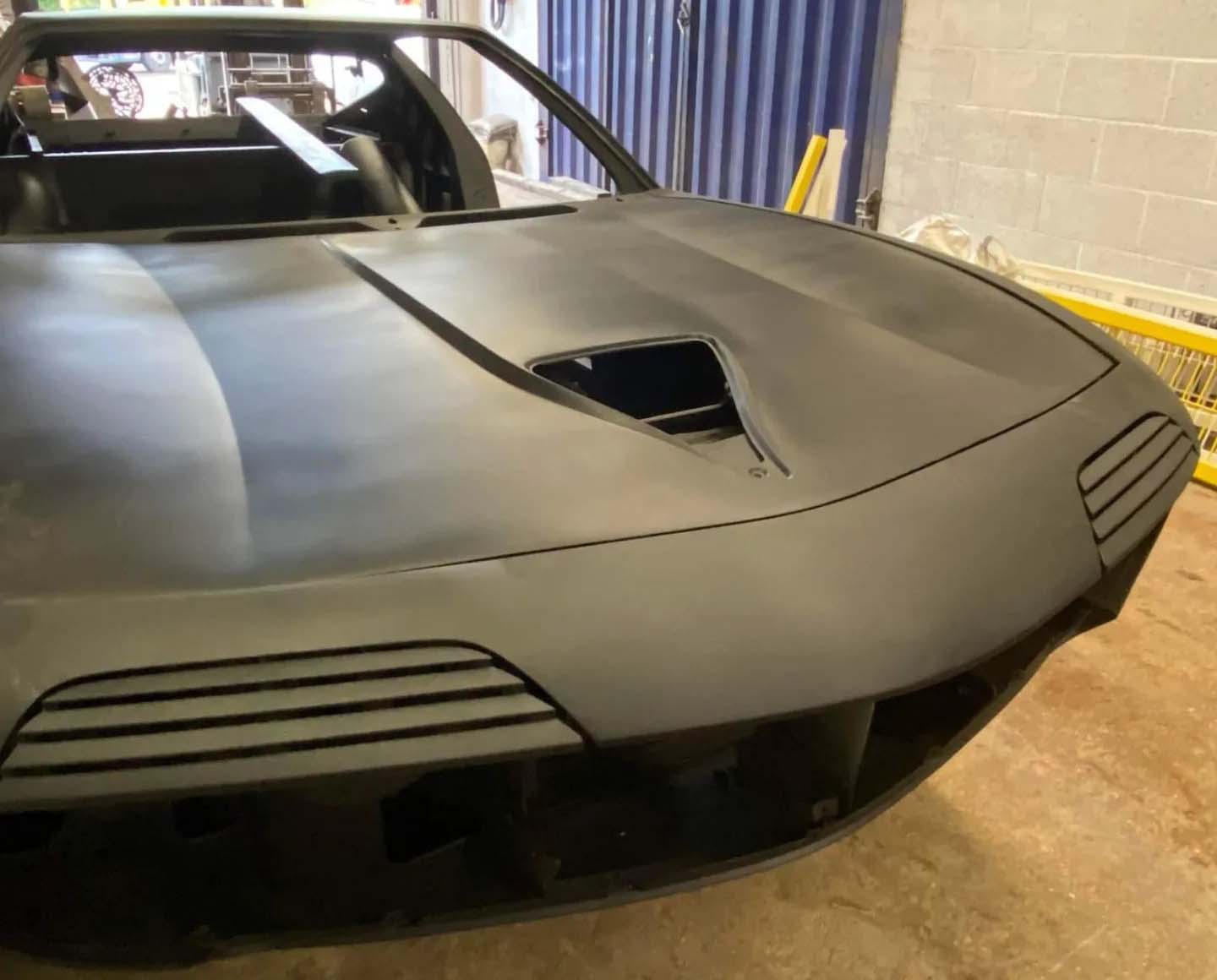
After careful preparation and paying attention to detail, powder coating can match most wet paints on items such as these car body chassis, with the added bonus of outlasting wet paint by years. Our products are impervious to oil grease, brake fluid, road salt, and most corrosive chemicals. Resistant to stone chipping and very flexible. Highly recommended for any under body work.
How does blast cleaning work?
Shot blasting is a process used to clean surfaces back to the base material.
This is an essential part preparation work, as it removes all contamination as rust and corrosion and leaves a good clean surface for applying the primary first coats of powder coat or wet paint’s.
General ProcedurE
Abrasive media blasting is an excellent way to remove old paint, rust and to increase paint/powder adhesion, as long as the process is carried out correctly….
Areas that shouldn’t be blasted (bearing raceways, machined areas, etc.), need to be protected and the correct blasting media needs to be chosen for the material being prepared and removal of ALL grit after the blasting process is complete.
It is also important that parts are cleaned prior to blasting to prevent contaminated blast media re-circulating during the blast process as parts that have residual oil or dirt on them will be pushed into the pores only to come out later when baking, potentially affecting the finished job.
Classic Car Blasting
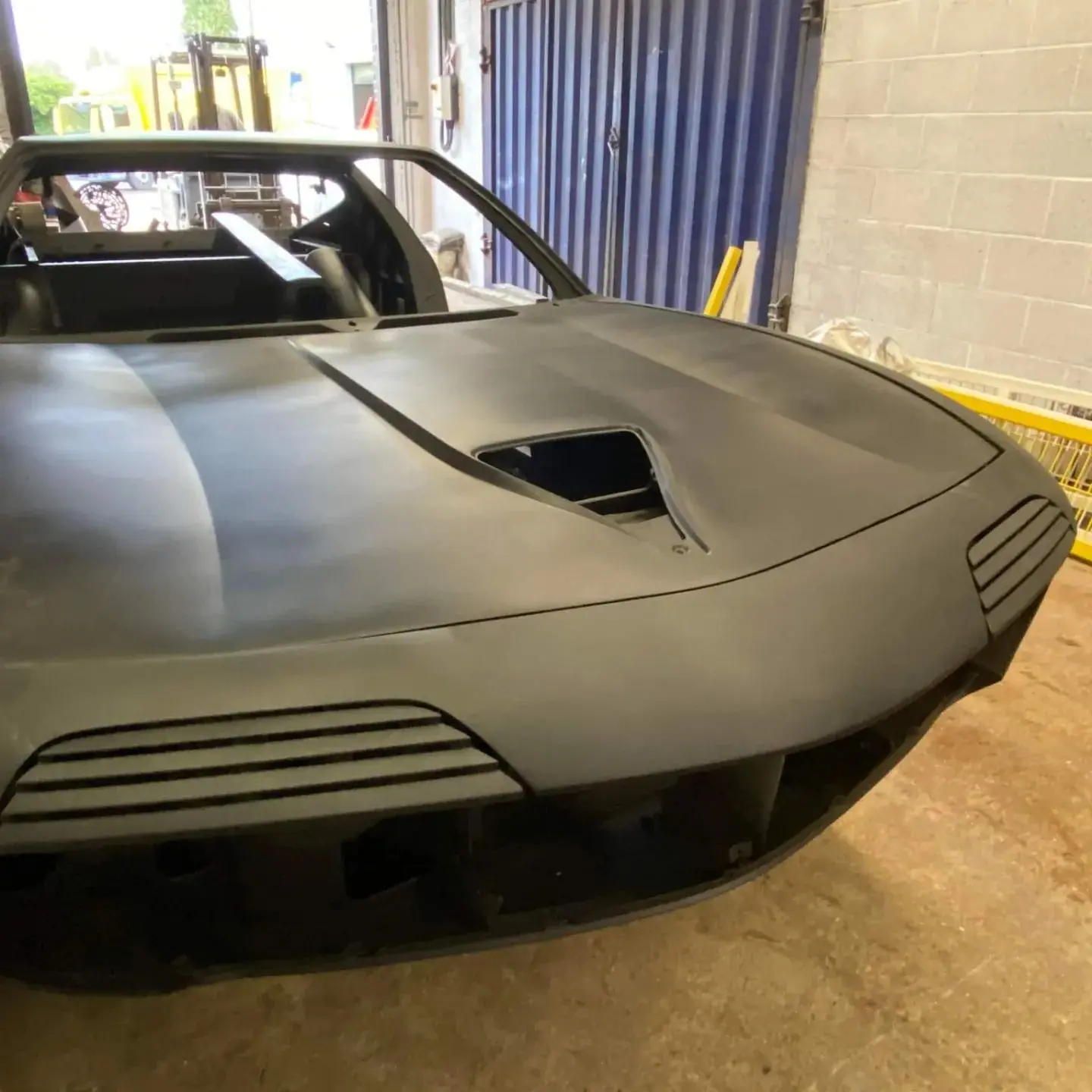
If you’re interested in blast cleaning your car bodyshell, there are several options for media materials. Each material has advantages and disadvantages, so it’s essential to consider them before deciding.
We have many years experience in car body shell blasting.
If you would like advice or discuss options for your car body blasting project, please do not hesitate to get in touch.
What is Shot Blasting (blast cleaning)?
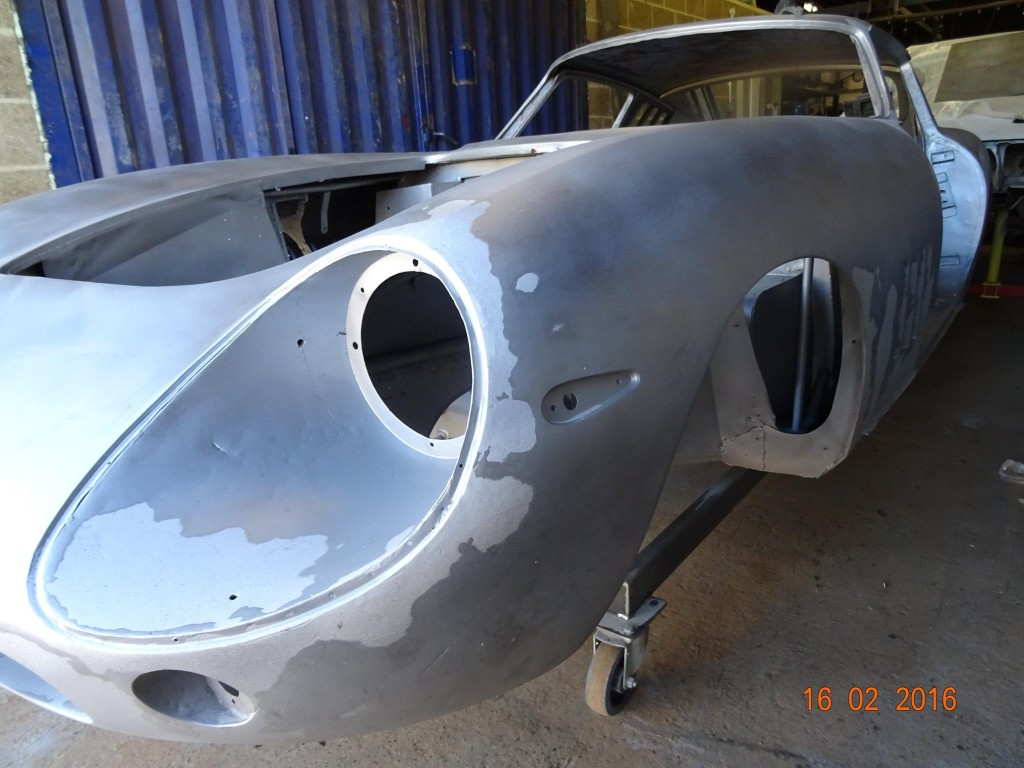
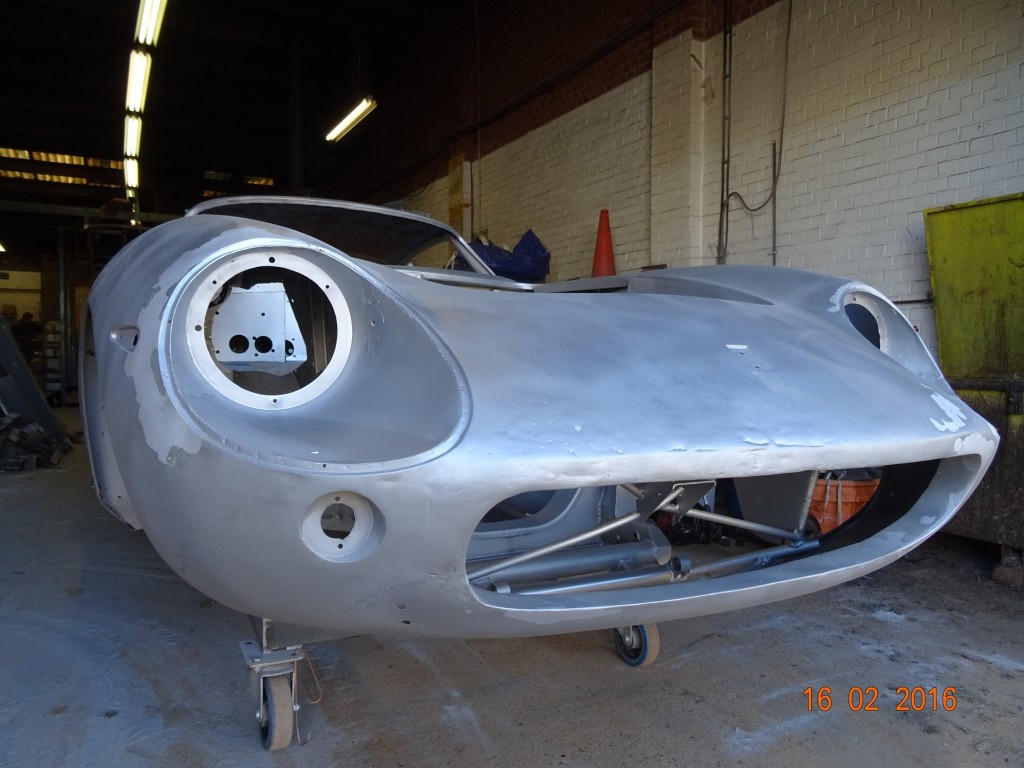
Abrasive blasting is the operation of cleaning or preparing a surface by forcibly propelling a stream of abrasive material against it. Usually explained as the use of a material against another material to make it smoother, remove surface contaminants or to roughen a surface. It is also the appropriate term for what is known as glass bead blasting or shot blasting.
Just about all items that come into our facility such as motorcycle & car parts are either shot/ bead or aqua blasted, of course it all depends on the base material before the selection is made, for instance if the product is of an alloy cast the right choice would be either fine glass bead or aqua blasting.
Why does it need shot blasting?
In short it removes all contaminants such as rust, old paint etc and gives a good canvas and key to start the powder or painting process on and at the same time it normally reveals any problems such as corrosion weakness or broken weld joints.
Good preparation is paramount to a good long lasting finish.
General cleaning:
Please ensure that most of the oil & grease is removed, we do not expect it to be spotless as we will take care of that, please note if the work comes into us not cleaned we reserve the right to make further charges for grease/oil removal.
How does blast cleaning work?
Shot blasting is a process used to clean surfaces back to the base material.
This is an essential part preparation work, as it removes all contamination as rust and corrosion and leaves a good clean surface for applying the primary first coats of powder coat or wet paint’s.
The process usually involves a nozzle with a high-pressure airline to deliver various types of media, or shot, at the object. This is a particularly effective method for removing scale, rust, paint, and minor surface flaws from metal objects.
Depending on the equipment and the type of material used, we can also apply various surface finishes or textures to a work piece. This can either be for decorative purposes or to prep the surface for paint.
Please note, once blasted it is very important to stop rust forming of steel of cast iron parts to collect and protect within 24 hours or sooner.
We can offer to apply a coat of primer be it red oxide or standard grey wet paint or if preferred a powder coat zinc primer. We charge this on a time & material basis.
Schedule of work:
Clean and remove dirt & grease contaminants, blast clean leaving a clean etched & rust free surface.
Apply 100 micron coat of 99.9% pure zinc metallization coating all areas and masking off all threads. Degas to remove any trapped gas built up within the zinc coat.
Remove from the curing oven and apply the first coat of Gloss black Plascoat PPA-571 (no primer coat required) whilst the material is still hot, this helps adhesion to the more difficult parts to reach. Bake off and reapply second hot coat. The overall final coats will be around 300 microns inc zinc coat. The added weight to this will be around 8 kgs.
This system not only gives a high gloss or semigloss finish, it also offers extreme long term anti corrosion properties. There are other colours in the range to choose from. Yellow, Blue, Light or dark grey, brown, black, red, green & white.
Further information:
The metallization system can be used on most car body parts, motorcycle frames and products used in extreme conditions. Aluminium panels are not suitable for zinc metallization due to the re-action between the two materials. However, a pure aluminium material is used that also offers very good long term protection. Also on offer is copper, brass, babbitt and many more materials including pure silver & gold.
Another point to note is for zinc or Aluminium, spray can be used to fill small corrosion damage and pin holes, thus saving time and effort using standard unreliable body fillers. Please note this will not give any structural strength.
For inner surfaces that can not be treated or reached as box rails we can apply a heavy coat of Wax oil to finish the job if required.
Plascoat offers:
Superior resistance to sun, salt and sea water.
Excellent impact and sand abrasion resistance.
Premium quality, glossy appearance.
Will not crack, chip, flake or fracture.
Low temperature performance to -70°C.
Excellent adhesion to steel, iron and aluminium.
No requirement for a primer.
The use of Sand for blasting is now an illegal process and extremely dangerous to your health and others around you, even if you use a small homemade or commercial hobby blasting cabinet you are in danger of dying a slow death, as the sand breaks down during the blasting procedure it releases silicon that in turn can cause lung disease known as silicosis.
Below is a short extract from the HSE website:
Silicosis
Respirable crystalline silica (RCS) is found in stone, rocks, sands and clays.Exposure to RCS over a long period can cause fibrosis (hardening or scarring) of the lung tissue with a consequent loss of lung function. Sufferers are likely to have severe shortness of breath and may find it difficult or impossible to walk even short distances or up stairs. The effect continues to develop after exposure has stopped and is irreversible. Sufferers usually become house- or bed-bound and often die prematurely due to heart failure.
Acute silicosis is a rare complication of short-term exposure to very large amounts of silica. This condition is life-threatening and associated with very significant clinical consequences.
Silica may also be linked to lung cancer. Precautions taken to control the risk of fibrosis will serve to control the risk of lung cancer. Workers with silicosis are at an increased risk of tuberculosis, kidney disease and arthritis. Exposure to RCS may also cause chronic obstructive pulmonary disease (COPD).
This VW body pan has also had the full anti-corrosive treatment.