Key Advantages of Pulse Laser Cleaning for Car & Motorcycle Parts
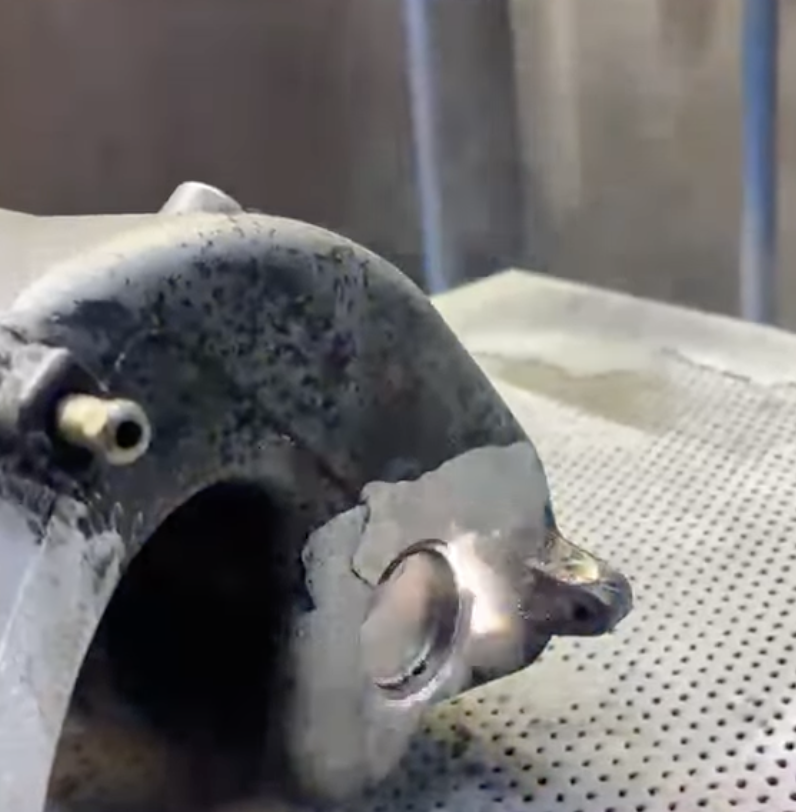
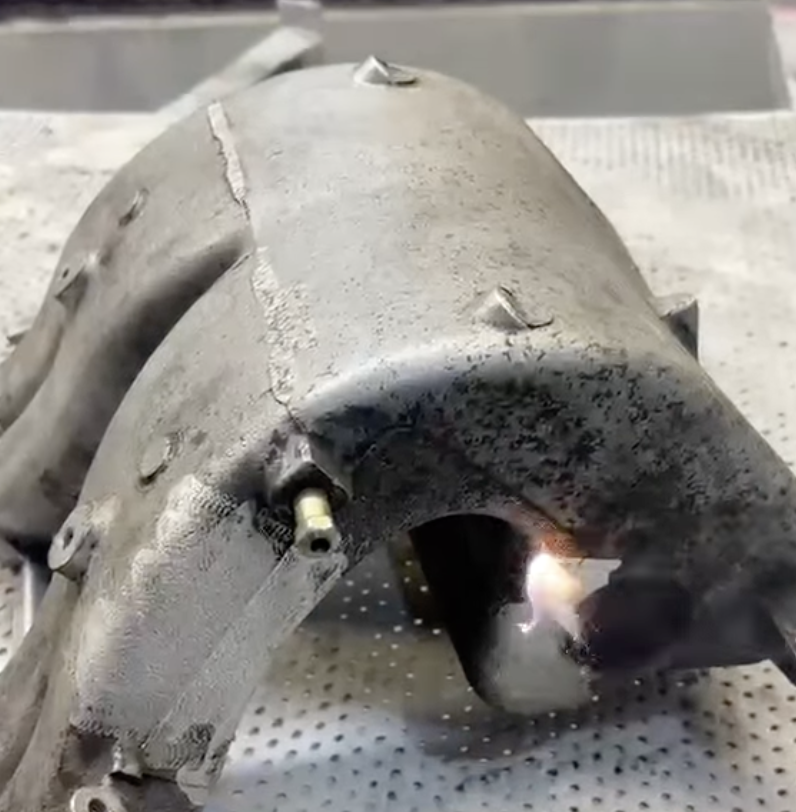
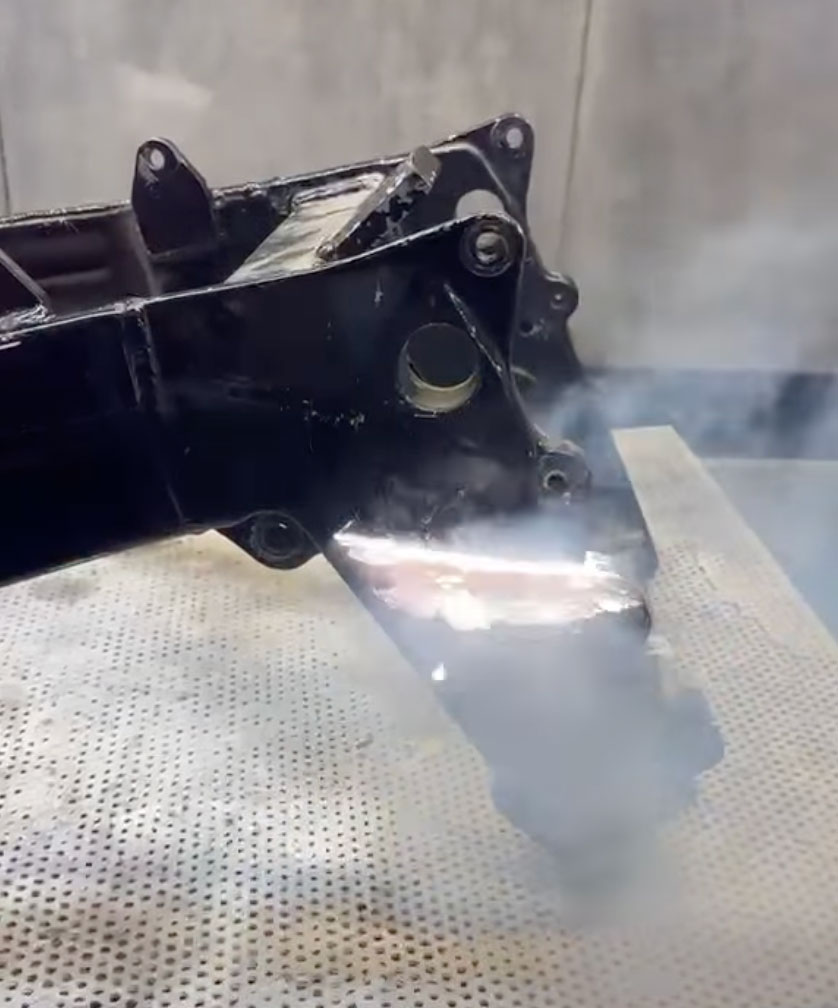
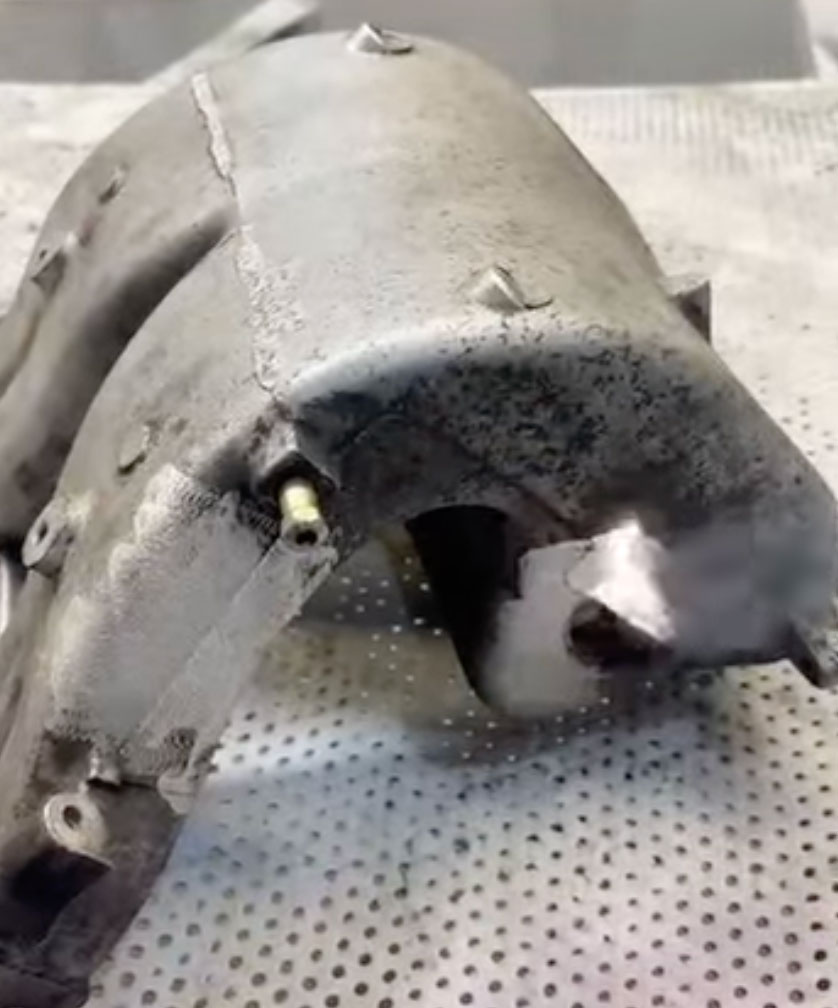
Pulse laser cleaning is one of the most advanced surface preparation methods now available for automotive and motorcycle restoration. Using focused pulses of light rather than abrasive media or chemicals, it removes rust, paint, carbon, oil, and surface build-up while leaving the base metal completely untouched. Below, we break down the key advantages — and why it’s becoming the preferred method for precision restoration work.
1. Gentle on the Metal — No Scratching or Wear
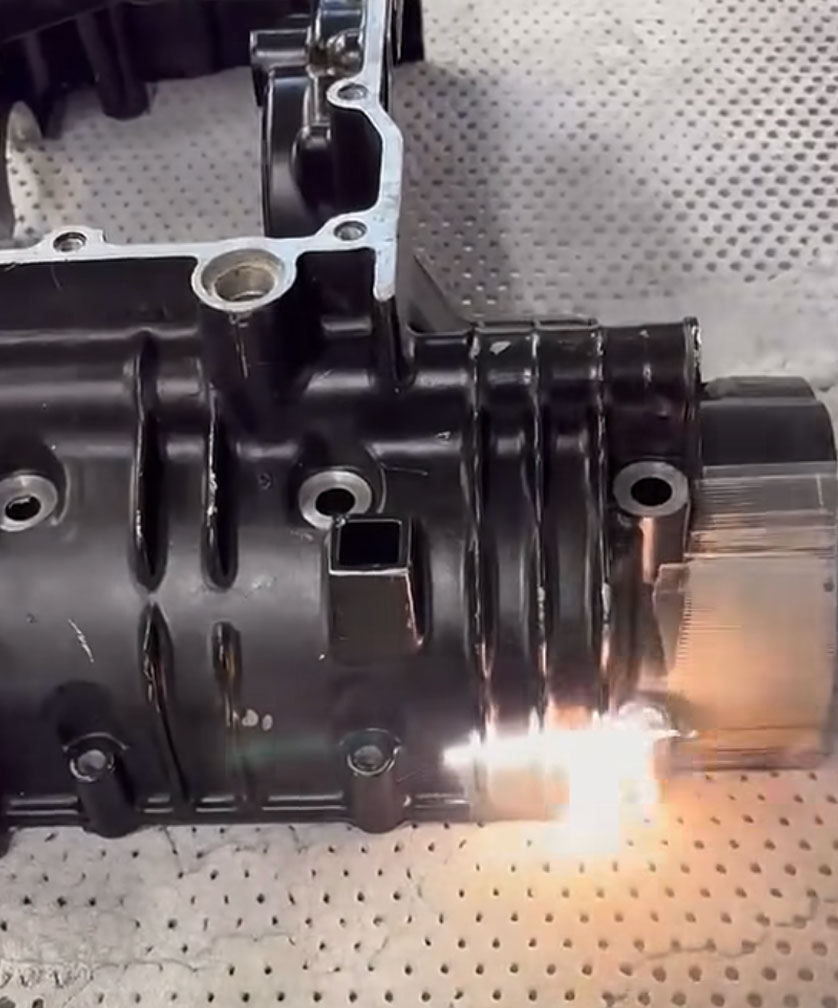
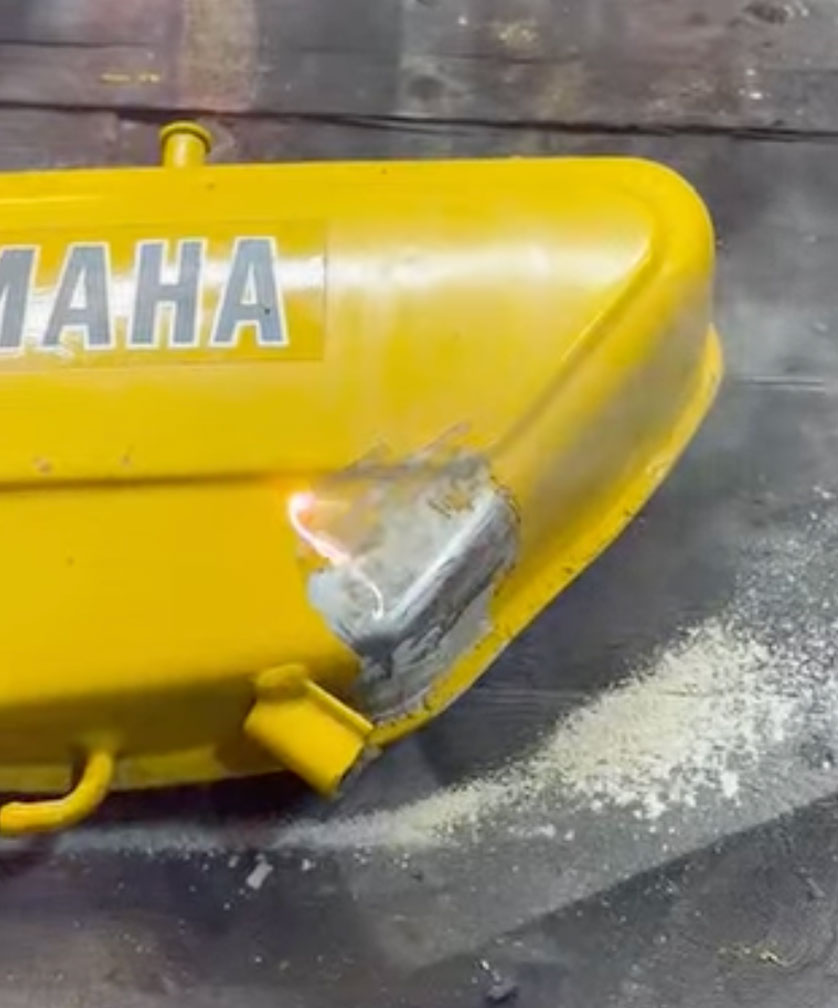
Laser cleaning removes rust, paint, carbon, oil, and surface build-up without grinding or blasting the metal.
- Keeps factory markings and serial numbers intact
- Protects fine details and castings
- Perfect for aluminium engine parts, thin panels, and delicate components that blasting can easily damage
- Cleans the surface without harming the base material
2. Precise, Controlled Cleaning
The laser only cleans the area you want — nothing more.
- Great for detailed motorcycle fins, carburettors, brake parts, and intricate castings
- Reaches tight corners, crevices, and welds that blasting struggles to reach
- Ideal for careful restoration work where accuracy matters
3. No Grit, No Chemicals, No Mess
Laser cleaning uses pure light, so there’s no risk of contamination.
- No sand, grit, or beads getting stuck inside engines or frames
- No chemical baths or harsh solvents
- No hazardous waste to deal with
- A clean, safe, and environmentally friendly way to prepare parts
4. Excellent for Selective & Layered Cleaning
Because the laser can be precisely controlled, it’s particularly effective where only certain layers or areas need to be removed.
- Strips old paint or coatings while leaving factory-cast textures untouched
- Useful for parts with multiple layers of historic paint or corrosion, where blasting would remove more material than necessary
- Well suited to concours-level or matching-numbers restorations, where originality of the underlying surface matters
5. Minimal Heat Impact
Pulse laser cleaning uses extremely short bursts of energy, meaning heat doesn’t have time to build up or transfer significantly into the part.
- Reduces the risk of warping or distortion on thin panels
- Safer for heat-sensitive components than continuous-wave laser or thermal cleaning methods
- Suitable for precision-machined parts where dimensional accuracy must be preserved
6. Ready for Immediate Coating or Finishing
Laser-cleaned surfaces are left dry, contaminant-free, and ready for the next stage of the restoration process.
- No rinsing, drying, or degreasing required before painting, powder coating, or ceramic coating
- Reduces turnaround time between cleaning and finishing
- Helps ensure stronger coating adhesion, as the surface is free of embedded grit or chemical residue
Our Equipment
We’re expanding our laser cleaning capability with a new 2000-watt heavy-duty laser machine, going into operation within the next few weeks — ideal for larger, heavier industrial applications alongside our existing precision work on car and motorcycle parts.
Q&A: Pulse Laser Cleaning
Q: Is laser cleaning safe for aluminium and other soft metals? A: Yes — laser cleaning is particularly well suited to aluminium and other soft or delicate metals, as it removes surface contamination without the abrasive contact that blasting relies on, avoiding pitting or thinning of the base material.
Q: Does laser cleaning remove rust completely? A: Yes, pulse laser cleaning is highly effective at removing rust down to bare metal, with the laser power adjusted to target the corrosion layer precisely without affecting sound metal underneath.
Q: Can laser cleaning be used on parts with fine detail, like engravings or casting marks? A: Yes — this is one of its key strengths. Because the process doesn’t rely on physical abrasion, fine details, factory markings, and casting textures are preserved, which is particularly valuable for original or matching-numbers restoration projects.
Q: How does laser cleaning compare to media blasting for car and motorcycle parts? A: Laser cleaning offers greater precision and is non-abrasive, making it better suited to delicate, detailed, or heat-sensitive components, while media blasting remains effective for larger surfaces and heavier corrosion removal. Many restoration projects benefit from a combination of both, depending on the part and condition.
Q: Is laser-cleaned metal ready for powder coating straight away? A: Yes — laser cleaning leaves a dry, contaminant-free surface, so parts can move straight into powder coating or other finishing processes without additional rinsing or degreasing.
Q: What types of parts is laser cleaning best suited to? A: It’s especially effective for engine components, carburettors, brake parts, motorcycle fins, castings, and any part with intricate detail, tight crevices, or delicate surfaces that blasting could damage.