*(subject to the condition of parts) See T&C's
What is Powder Coating And Why does it need shot blasting?
Powder Coating and prep work
For a comprehensive explanation, please refer to the following link: http://en.wikipedia.org/wiki/Powder_coating. Powder coating is one of the most advanced coating processes available, providing a durable, long-lasting finish. This method is used to apply a decorative and protective coating to a wide range of materials and products.
The dry powder coating procedure involves electrostatically charging powdered particles, which are then applied to an electrically grounded surface. Following the application, the substrate undergoes a heating and curing process during which the powder is baked onto the surface. This results in a uniform, high-quality finish that exhibits excellent exterior durability; polyester powders, in particular, demonstrate notable resistance to ultraviolet radiation.
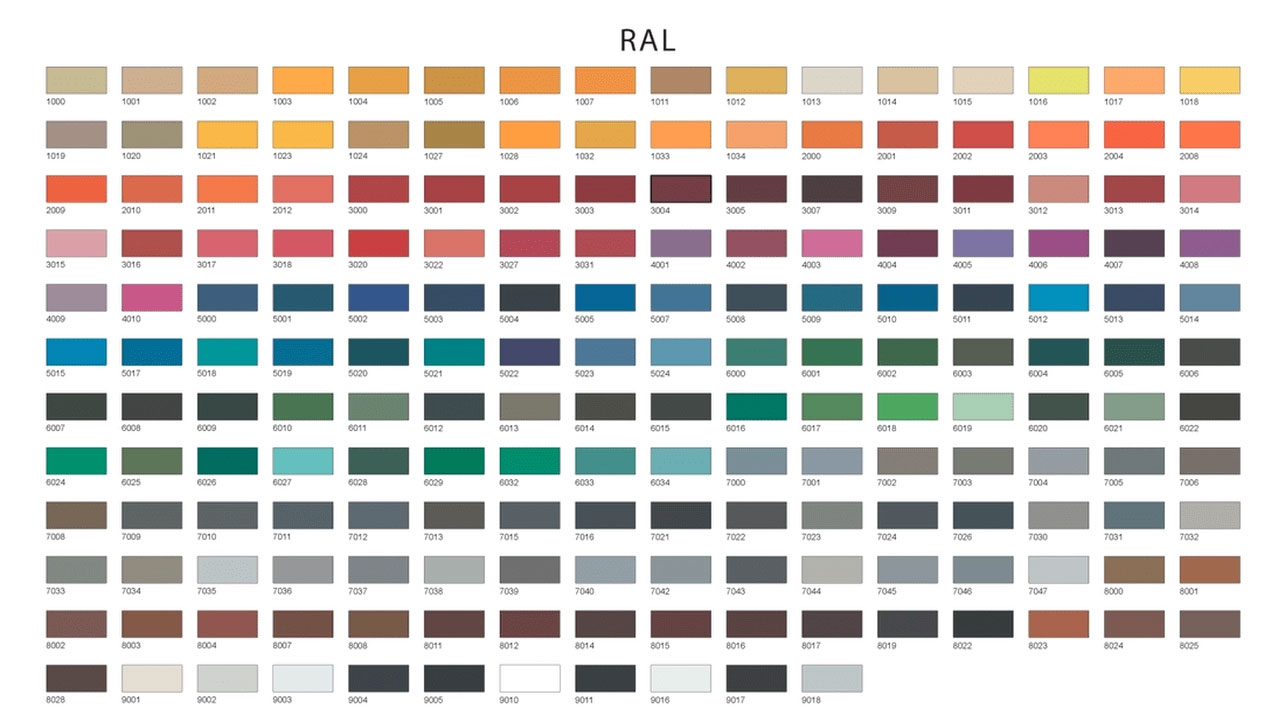
An extensive selection of colours are available, ranging from matte to high gloss finishes, along with various textured options and special effects. Additionally, the powder coating process is environmentally safe, as it releases virtually no volatile organic compounds (VOCs) during application and curing.
Shot blasting is essential because it effectively removes contaminants, including rust and old paint, providing a suitable substrate for the powder coating or painting process. This process also helps identify underlying issues, such as corrosion vulnerabilities or damaged weld joints. Proper surface preparation is critical to achieving a long-lasting and high-quality finish.
When shot blasting is unnecessary, our state-of-the-art three-stage cleaning and phosphating machine is utilised. This process guarantees a clean, etched surface conducive to the adhesion of powder or paint. For additional information, please follow the link: http://en.wikipedia.org/wiki/Phosphating.
We are able to provide our unique warranties through adherence to proper methodologies, the use of high-quality materials, and the employment of experienced personnel, in conjunction with quality equipment. It is important to be cautious of those who offer significantly lower prices, as we have observed that such outcomes are often subpar. In the long run, investing in quality workmanship will yield better results.
Furthermore, we offer other bead-blast cleaning services for a gentler approach, particularly suitable for delicate products.

POWDER COATING - THE PROCESS
The process of applying powder coatings involves the use of a spray gun that not only propels the electrostatic paint but also gives it a positive electrical charge. The base material, on the other hand, is charged negatively which creates an attraction between it and the negatively charged powder coating particles. Once the attraction is established, both the base material and the powder coating particles are heated until the latter melts and sticks to the former. The base material is then allowed to cool down, creating a durable and long-lasting powder coating.
ECO FRIENDLY
Many coating materials (other than powder coatings) contain harsh chemicals. Solvents, such as VOCs, can damage the environment in which they are released and cause ozone to form when exposed to nitrogen and oxygen. This also promotes the formation of particulates in the air, creating smog that can cause damage not only to humans but to the surrounding wildlife as well. Furthermore, because the paint is applied wet, these VOCs can run off, escape the job site, be absorbed by the ground, and eventually find their way into streams, lakes and other water sources thus creating a severe threat to the environment. Because powder coatings do not contain VOCs, this risk is not present when used.
Powder Coating Anticorrosion Primers for Steel
Interpon® by AkzoNobel Anti-Corrosion Primer
For steel components requiring enhanced durability, we recommend applying an Interpon® by AkzoNobel anti-corrosion primer when powder coating. This high-performance primer provides an additional barrier against corrosion, improving adhesion and helping to protect steel from rust and harsh environmental conditions.
When used alongside our powder coating process, the Interpon primer system delivers a longer-lasting, more durable finish. Learn more about the benefits of the Interpon® by AkzoNobel anti-corrosion primer and how it can help extend the life of your coated steel components.

Safety & reliability advantages of Powder Coatings.
Powder coating materials have a significant advantage over liquid coating materials in terms of operator safety. When applying a powder coating, an operator only needs to wear a dust mask and safety goggles, which is much safer than using liquid coatings. Additionally, many powder particle types do not emit fumes, making them relatively harmless if not inhaled or ingested. In contrast, paints contain volatile organic compounds (VOCs) or other solvents that can cause severe respiratory and neurological damage if inhaled in excessive amounts.
Liquid coatings can cause irritation or chemical burns if they come into contact with the skin. Furthermore, these solvents can be highly flammable, posing a risk of explosion or injury. Powders do not cause burns when placed in contact with skin, and powders almost always do not require flammable solvents.
Quality of Powder Coatings
Powder coatings have a high-quality finish. During the powder coating application, the charged powder coating particles automatically level themselves to a certain degree. This reduces the risk of uneven coatings when applying a liquid coating. Furthermore, powder coatings are not susceptible to running or dripping. This also decreases the possibility of uneven surfaces.
As mentioned, powder coatings require fewer layers than many liquid coating systems. This helps prevent the possibility of a powder coating having defects between layers.

EFFICIENCY OF POWDER COATINGS
Powder coating processes are usually more efficient than other coating methods for several reasons. One reason is that there is less overspray. This is because the electrically charged substrate has a negative polarity, and the electrically charged powder coating particles have a positive polarity, thus creating an attraction between the two. This reduction in overspray means that less coating material is required.
Another benefit is that the operator usually requires less time to spray the substrate. Adding to the powder coating process's efficiency is the coating thickness's magnitude that can be applied in one spraying. Coatings such as liquid paint spraying require the first coat to be used, then waiting for the dry-to-recoat time and cure time, another layer, and so on, until the desired thickness is achieved.
With powder coatings, greater coating thicknesses can be achieved in one application and curing cycle. The time spent waiting for curing and applying a subsequent coat can be spent coating another batch of parts or another portion of the structure.


Mechanical Properties of Powder Coatings
Powder coatings also have advantages concerning their mechanical properties. Powder coatings are known for being ductile enough to bend and yield with many of the base materials they have adhered to. Many powder coatings, such as epoxies, also exhibit excellent impact strength, which reduces the likelihood of chipping upon collision with other materials. Many different coating types are prone to this type of failure mode.
Abrasion resistance is also an advantage of powder coatings over other coating materials. This is partially a result of the bonding that occurs during the curing process.
