*(subject to the condition of parts) See T&C's
Anti-Corrosive Pure Zinc Metallisation
Metallising is a process which involves depositing a thin metallic film on the surface of non-metallic objects.
The most common processes of metalisation include:
- Galvanic metallisation
- Thermal metal spraying
- Fire metallisation
- Diffusion metallisation
- Vacuum metallisation
- Contact metallisation
Corrosionpedia explains Metallising
Metallising is a widespread coating process which is used to improve the resistance of a material against corrosion, wear and fatigue. The metallisation process is applied in many industries, such as:
- Defence
- Oil and Gas
- Solar Product Manufacturing
- Aerospace
- Automotive
- Electrical
Thermal spray processes are often referred to as metallising. Metals like zinc, aluminium, silver, etc. are used to deposit in the form of a metallic film on the base material, such as plastic, glass or metal, to prevent corrosion of the base material.

Metallising consists of three steps
1. Preparation of the Base Material
The substrate is prepared through abrasive blasting or other methods to ensure proper adhesion of the sprayed metal.
2. Application of the Coating**
A heat source generates molten particles of the zinc coating material, which are then sprayed onto the substrate using an atomiser gun.
3. Bonding Process**
When the molten particles contact the surface, they flatten, solidify, and create a mechanical bond. This bond forms first with the roughened substrate and then among the particles themselves as the Coating thickens. The zinc used in this coating process is 99% pure zinc, in the form of wire, similar to that found in a MIG welding unit. This method is known as wire metallising. The coating thickness can range from 0.004 inches to thicker layers of 0.012 to 0.014 inches.
After the base zinc coats are applied, we follow up with a black satin self-etching coat for enhanced protection. This layer offers an attractive finish with excellent corrosion resistance. Once the black coating has fully cured, an additional colour coat can be applied for an extra charge.
In general, the cost to complete the work is approximately £1,350.00 plus VAT for the front and back frames.
For more information, please don't hesitate to contact us via email or fill in the form.

What is Metallising?
Metallising is a general term used to describe the process of applying a metal coating on the surface of an object. These coatings serve numerous functions and can be classified as either Finish coatings (anti-corrosion and decorative coatings) or engineered coatings (wear-resistant)
Metallising is a relatively more complex process than anti-corrosive painting. During this method, the coating metal is liquefied, atomised and propelled onto the substrate. The coating metal comes in the form of a solid wire, which is heated and melted in a chamber. Millions of liquid particles are then ejected from the chamber, where they overlap and solidify on the surface to form a protective coating. Metallised surfaces, therefore, have a significantly longer life expectancy than those painted with traditional protective coatings.
As stated previously, metallising involves the projection of molten metal particles onto another surface. The molten metal particles are created by applying a heat source to a solid metal wire (usually aluminium or zinc), followed by an atomization/projection method. When the ejected molten particles come into contact with the substrate, they cool and form a mechanical bond on the surface. As the process continues, the particles bond with each other as the thickness of the coating increases.
The Process
Metallising, like all coating processes, starts with substrate preparation. Cleaning methods, such as abrasive blasting, ensure that imperfections, defects and surface contaminants that may adversely affect the coating are removed. (Preparation techniques are examined in Substrate Surface Preparation for Corrosion Prevention.) Next, the appropriate wire material is melted while clean compressed air sprays the droplets onto the substrate to form the coating.
Protective Features
Metallising protects metallic surfaces from corrosion by offering one or both of the following protection mechanisms:
In most steel structures, corrosion requires two essential ingredients: air and moisture. When the metal particles solidify and bond with the structure's surface, they form an impervious barrier, which prevents air and moisture from coming into contact with the substrate. For example, zinc, a standard coating material, reacts with the atmosphere to form a thin layer of zinc carbonate, which is highly durable and corrosion-resistant.
Given that the right combination of coating and substrate materials is paired together, metallising can also provide galvanic protection. During this protection method, the underlying steel substrate is protected by allowing the coating metal to corrode preferentially. For example, if the coated object is cut or scratched such that the substrate becomes exposed, then the metal coating will sacrifice itself by corroding first.
Metallising is commonly used to protect objects that are too heavy or too large for Hot-dip galvanising.
Arc Spraying
Arc spraying involves melting the solid coating material using an electrical arc. The typical arc spray process consists of two electrically charged wires aligned in a V-shape. The wires then converge at a point to create an electrical arc. An air nozzle applies a jet of compressed air that atomises the molten metal and projects it toward the substrate.
Protecting External Steel from Wear and Corrosion
If you're responsible for maintaining external metalwork, corrosion is likely a concern. Moisture, salt in the air, pollution, and temperature changes all take their toll over time. Left untreated, steelwork begins to rust, weakening both appearance and strength.
Whether it's balconies on a residential block, railings outside a public building, fences along a coastal property, or other forms of architectural steel, we offer a proven method to help extend the lifespan of these installations – thermal spray coatings.
For contractors, developers and architects, it's a chance to deliver something that lasts without locking yourself into constant maintenance cycles.
Zinc is widely used in arc spraying for anti-corrosion protection and various other applications. When zinc is thermally sprayed onto a surface, it acts as a sacrificial layer, protecting the underlying material. This coating is particularly effective in environments with a pH of 5 or higher, extending the time before the first maintenance is needed. Zinc coating can also be combined with sealers and paints.
Metallisation
The first video shows the application of pure zinc base coat, second video shows applying pure copper coat, this finish can be part polished or antique fluids applied to give that weathered look. In the second video also you will see a hardwood sample being coated with a copper finish and again can be sanded or polished highlighting the raised wood grain. Zinc prime coat serves as a very effective anti corrosion coat that can be used on many items inducing car chassis, body panels, bike frames etc and is happy with any type of wet primer paints. With the added bonus of filling in rust pin holes after blast cleaning. In fact (zinc) as we have carried out some test samples can be applied to cardboard, resin base materials for instance for film studious scenery. The Star gate(tm) was zinc coated (not by us) but shows how effective this product is.
Advantages of Metallisation
- Low heat input during spraying eliminates the risk of thermal distortion
- Low heat input eliminates the risk of thermal metallurgical degradation
- Sealed hollow fabrications may be treated without risk of explosion
- The process is not limited to zinc. The coating material may be selected specifically for the environment
- Coating thickness may be varied from place to place to provide extra protection in critical areas
- There is no limit to the size of article which can be treated
- Articles can be treated on site
- There is no effluent disposal problem
- Reduced stocks of zinc are required. Working capital is not tied up in a molten zinc bath
- Fuel is not needed to keep zinc molten when the process is not working
- Metal spraying is used to restore corrosion protection on damaged areas of welded galvanised.
Comparing Metallisation
COMPARISON OF METAL
SPRAYING WITH
GALVANISING
Technical Bulletin 5.7.9.2
- Galvanising is a well established process for applying a corrosion protection layer of zinc to steel.
- Treated steelwork is immersed briefly in molten zinc and the coating builds up very quickly.
- Galvanised layers are usually of even thickness, dense and metallurgically bonded to the steel.
- Thickness is typically 0.002 – 0.006 in (50 – 150μ). Coating compositions are sometimes varied to control deposit thickness and give better protection in certain specific environments.

STANDING THE TEST OF TIME
Thermal or metal spraying steel to protect it from corrosion has always been recognised as a long-term solution for many industries. UK based Metallisation has been providing anti corrosion solutions for over 80 years, to a diverse range of industries all around the world. One of its successes is the anti corrosion protection of bridges, including the Forth Road Bridge.
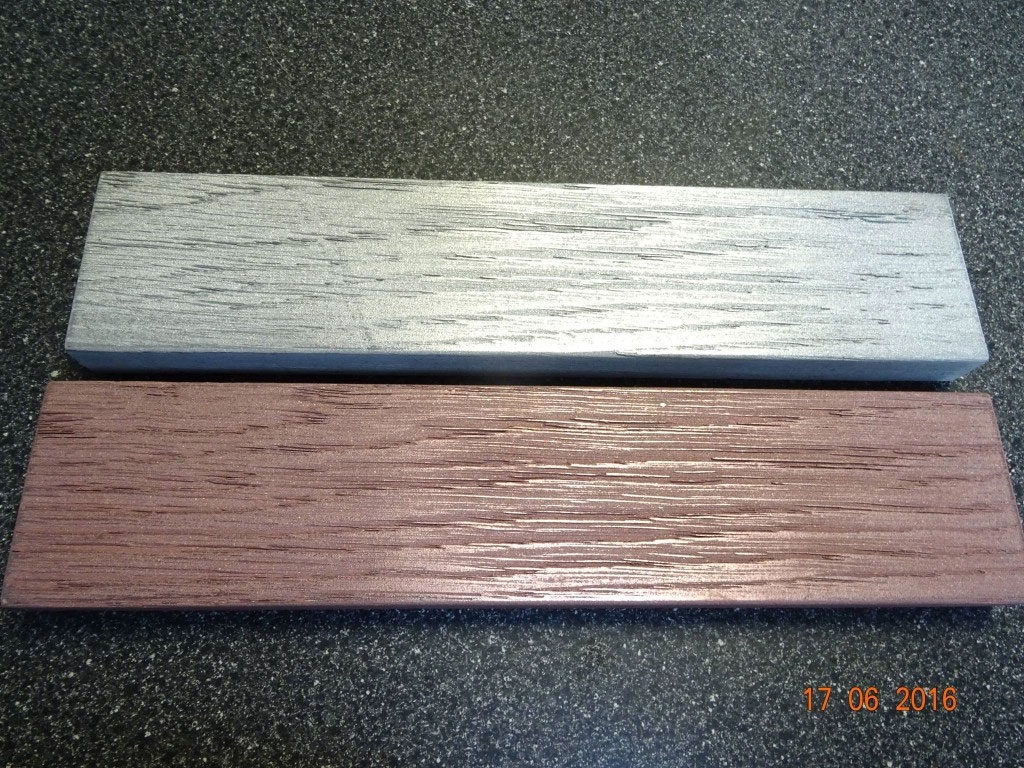
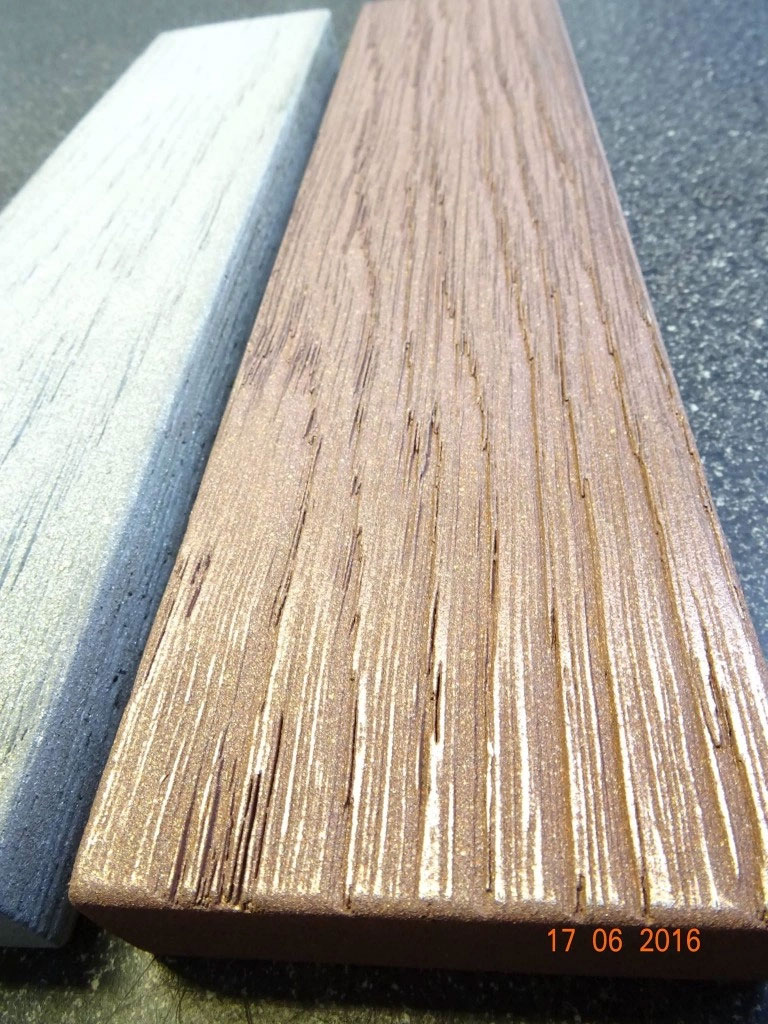
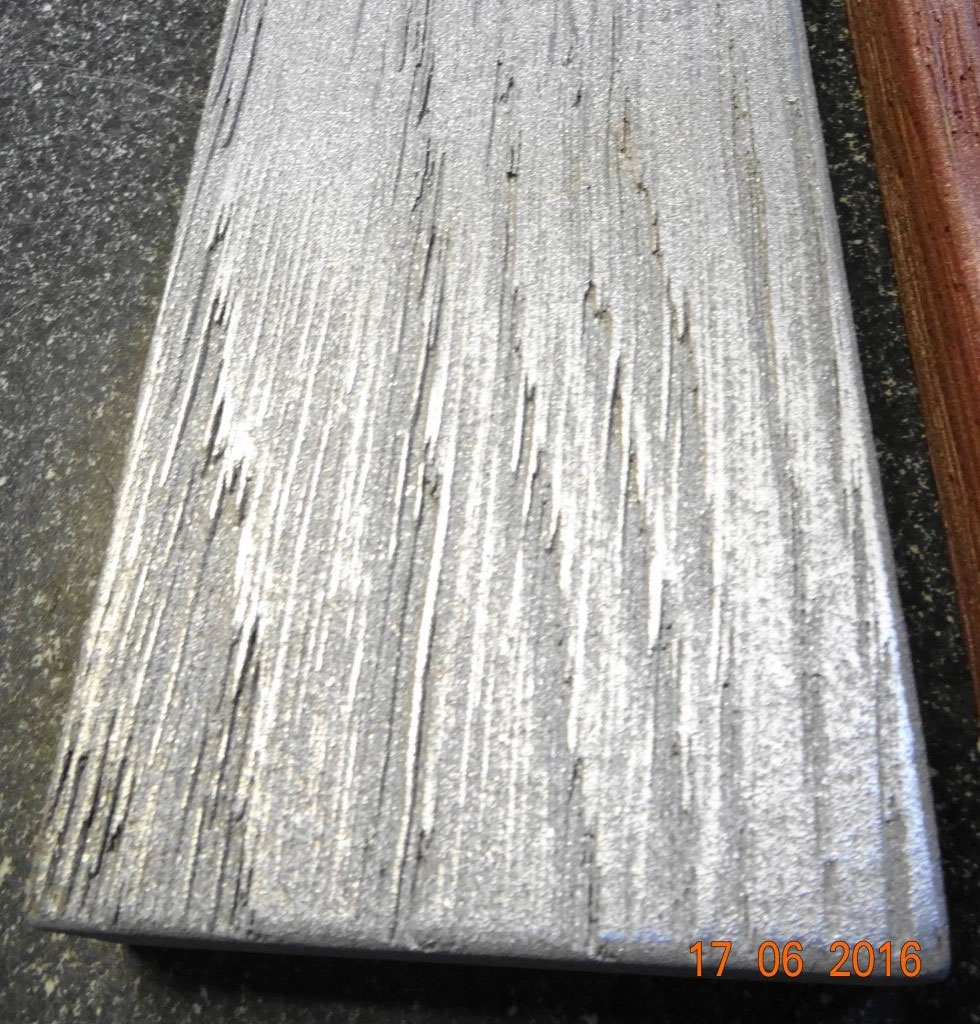
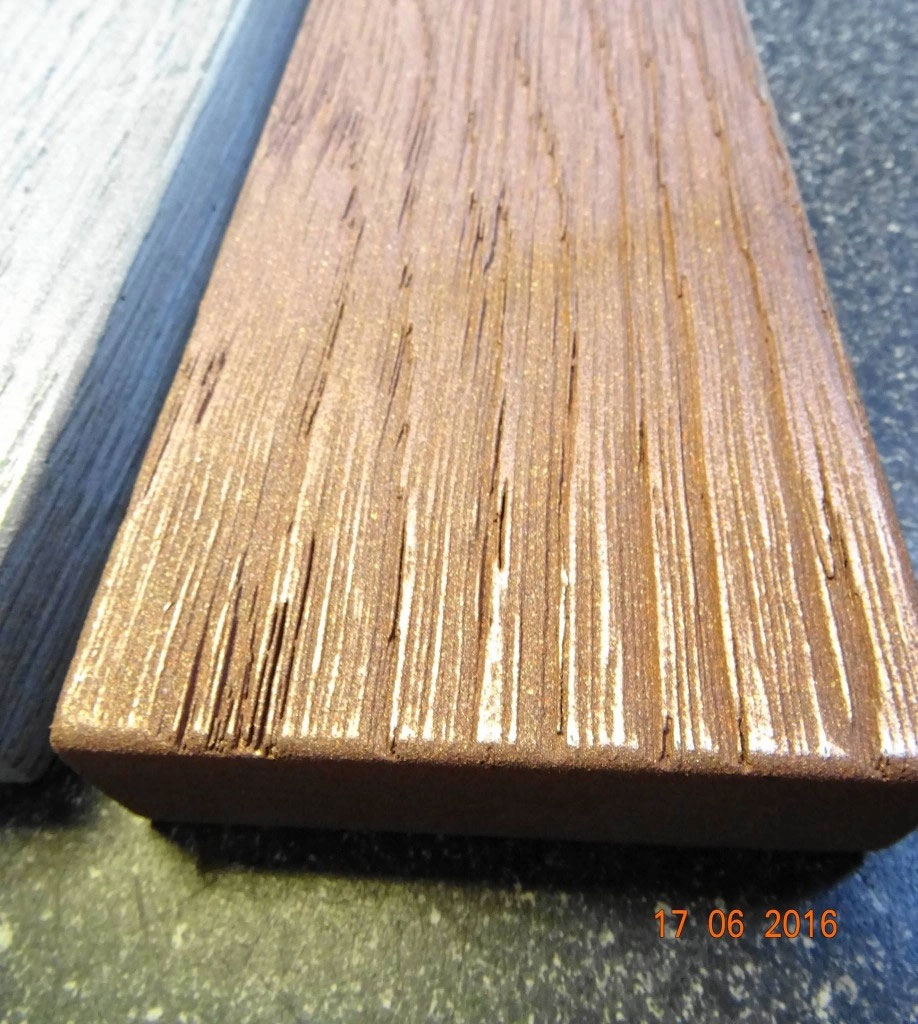
Hardwood Metallisation
- Light blast work to raise the grain, then coated in pure copper or aluminium.
- Hard wearing & outstanding.
- Can be overcoated with clear lacquer.
- Other pure metal finishes available.
- Can be used for flooring, window frames, furniture, artwork in fact any type of soft or hardwood.
For samples please call.
EXAMPLES OF METALISATION
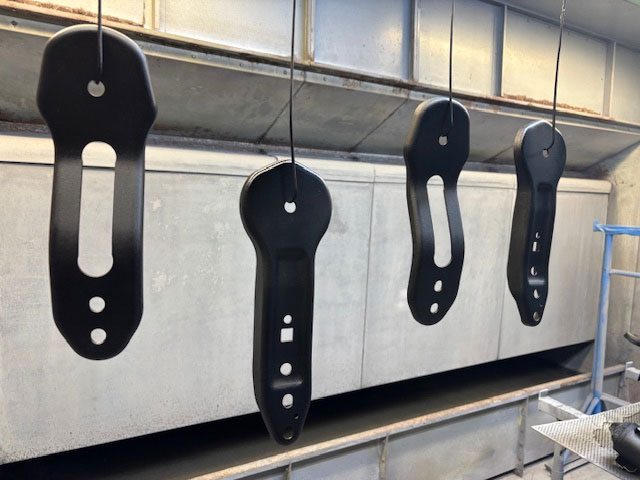
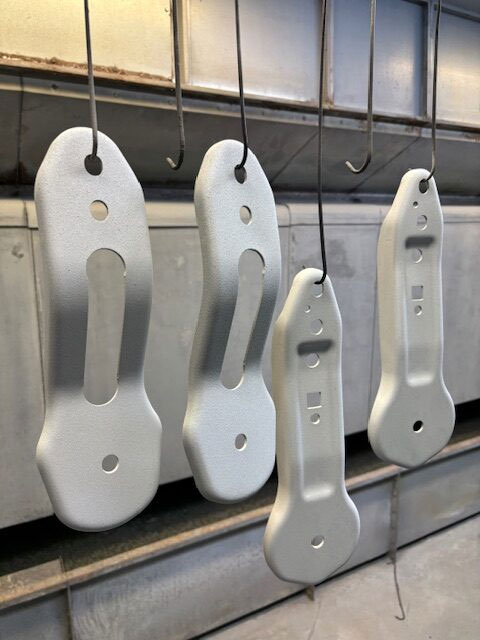
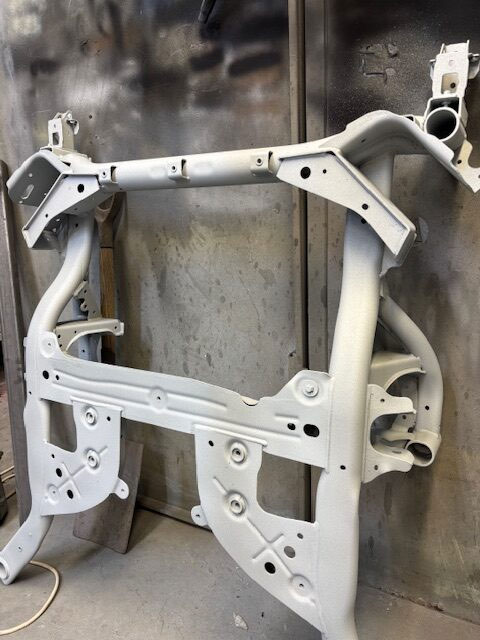
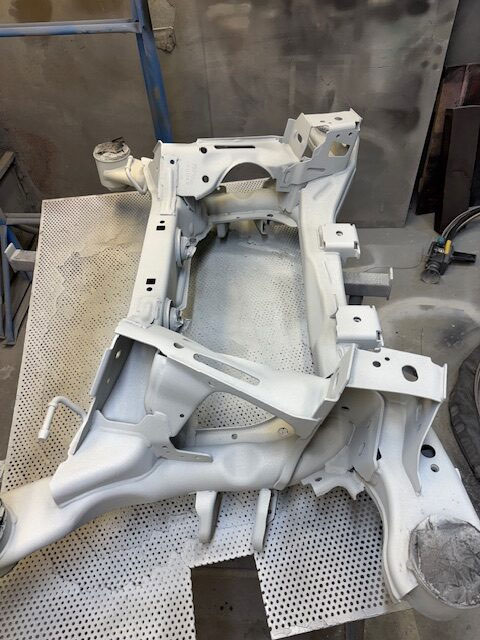
Jaguar XK and XFR subframes
Many owners of the Jaguar XK and XFR have reported issues with moderate to severe corrosion on the subframes. This problem likely stems from inadequate protective measures applied during manufacturing by Jaguar Land Rover (JLR). After reviewing numerous accounts on Jaguar forums, we decided to investigate this issue further and offer a permanent solution to this unnecessary problem.
To prevent further corrosion and extensive damage, we offer a solution that not only addresses the current issues but also provides long-lasting, durable protection for years to come.
Once you or your vendor has removed the subframes and brackets, and if the corrosion hasn't caused too much damage, we will then thoroughly blast clean the subframes to create a rust-free surface. It is imperative to remove all the corrosion that hides in small pitholes, as rust tends to spread and fester. Importantly, there is no need to remove any of the bushes, as these will be protected throughout the process. However, if the frames are severely damaged, we will not proceed with the work and advise seeking replacements. It is worth noting that if you need to replace the subframes, it is advisable to ensure they are fully protected before fitting.
We then apply a 99.% pure zinc metallization coating, which is as effective as hot-dip galvanising without the complications often associated with that method.
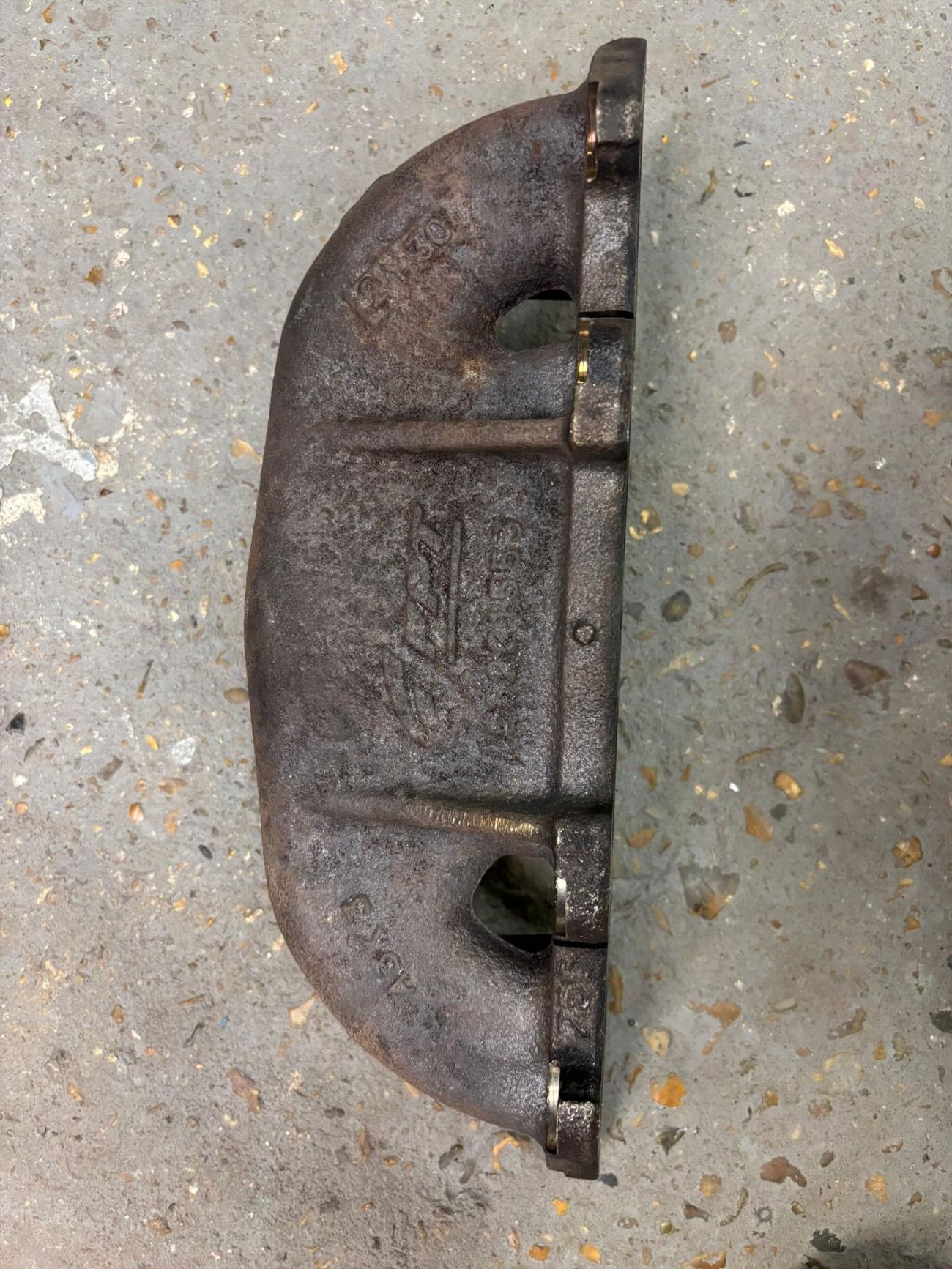
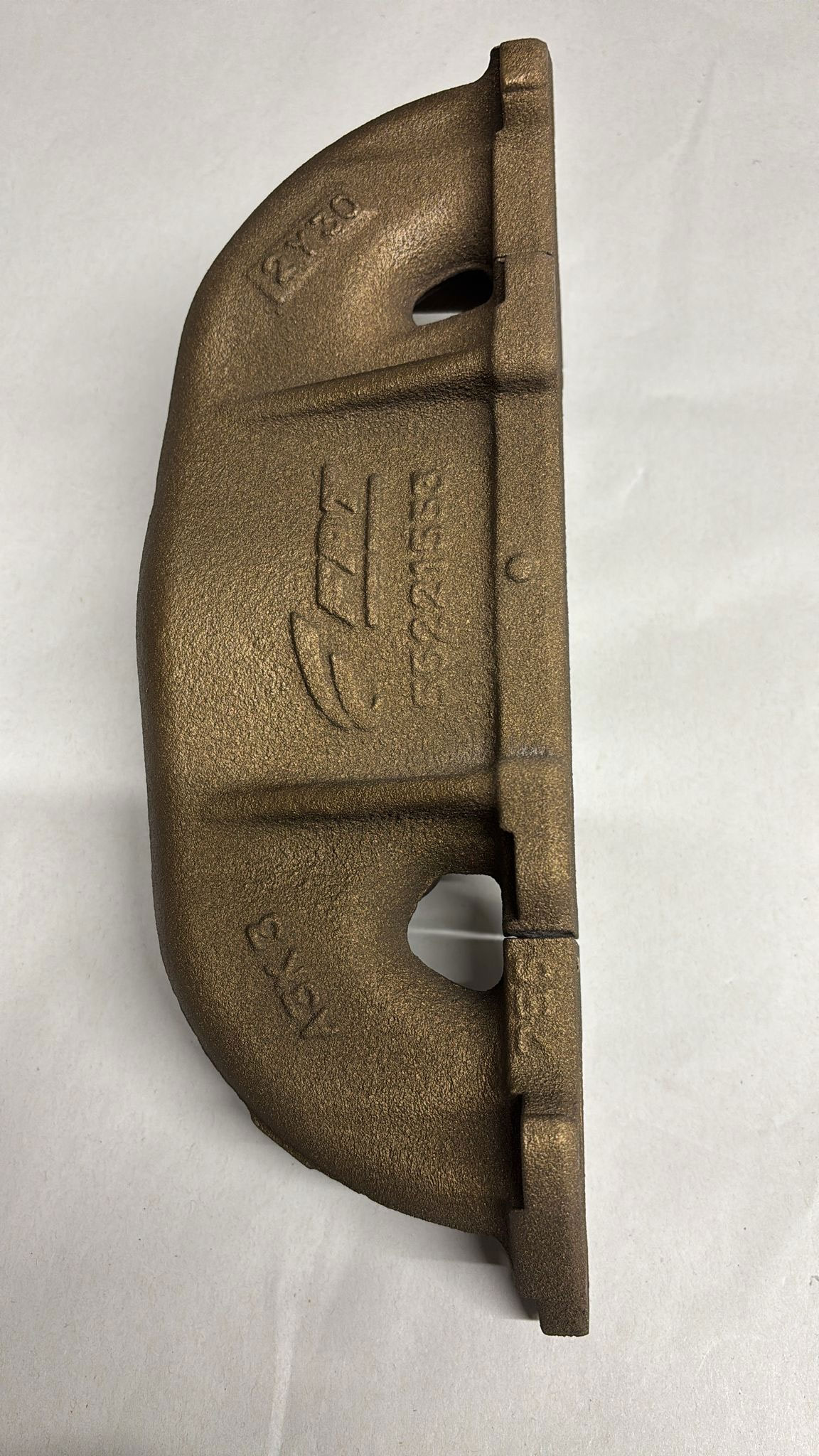
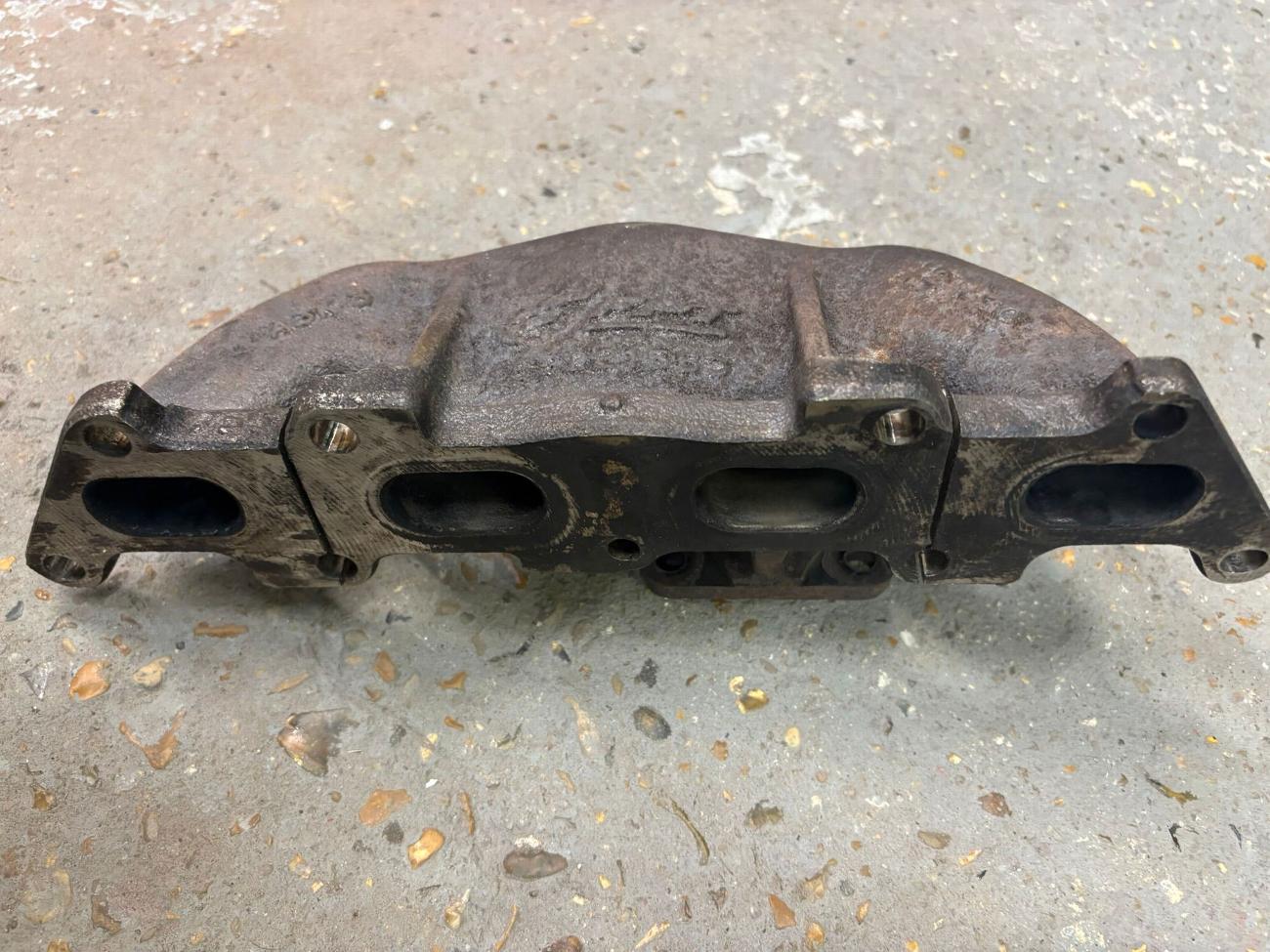
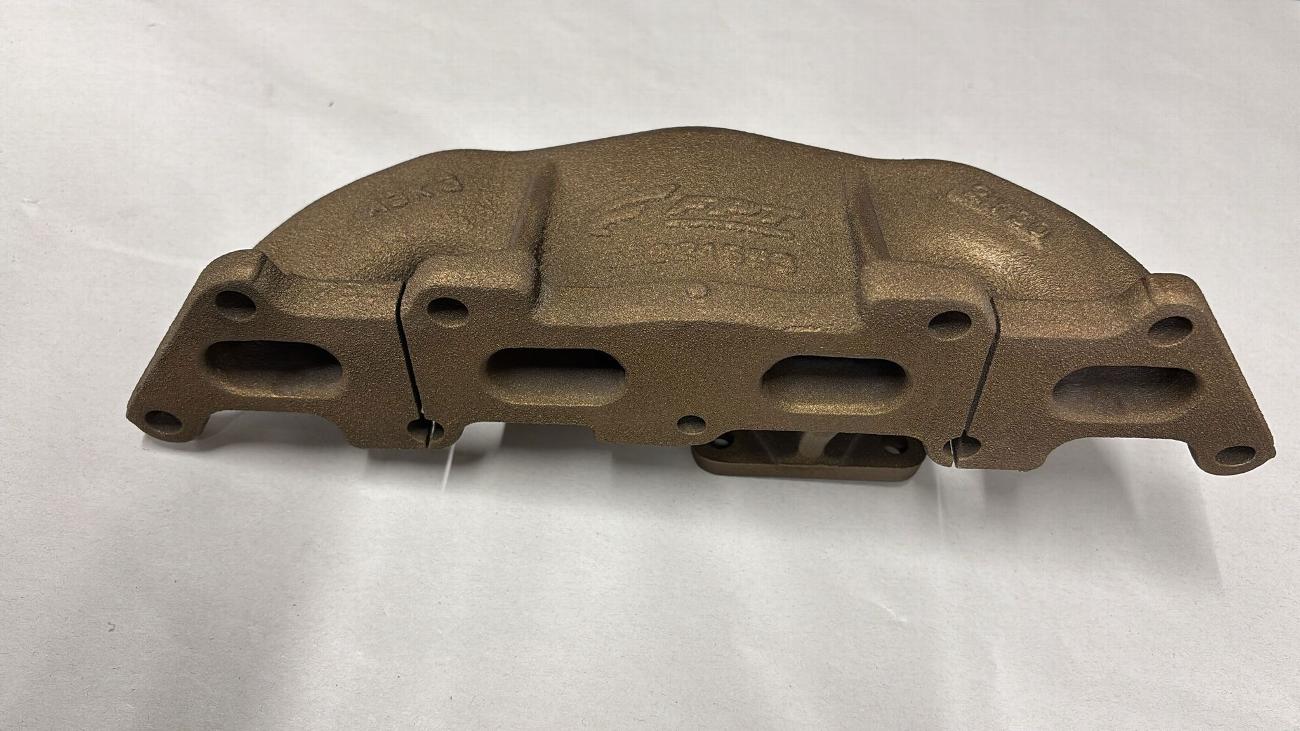
BEFORE AND AFTER EXAMPLES OF METALLISATION IN BURNT BRONZE
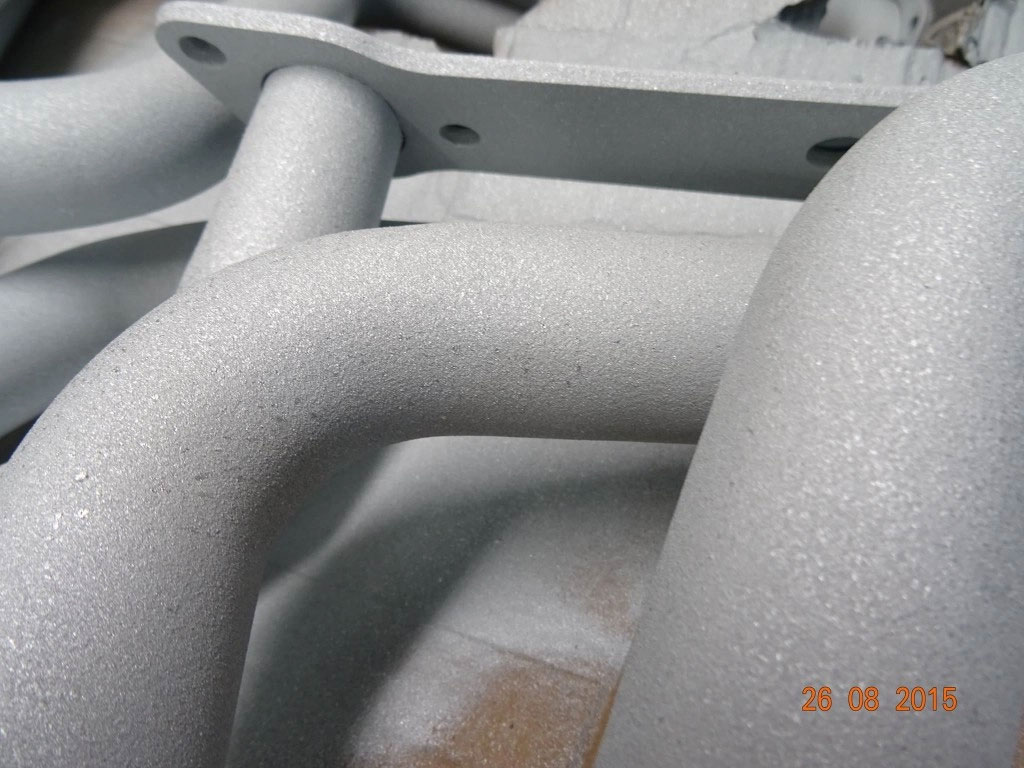
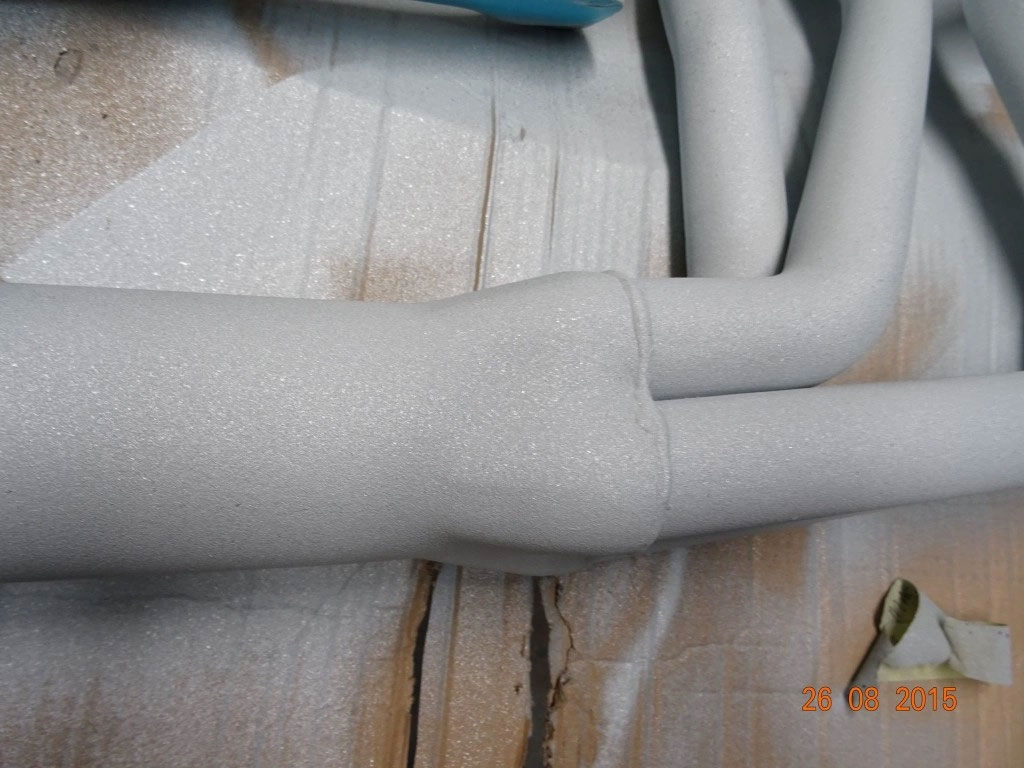
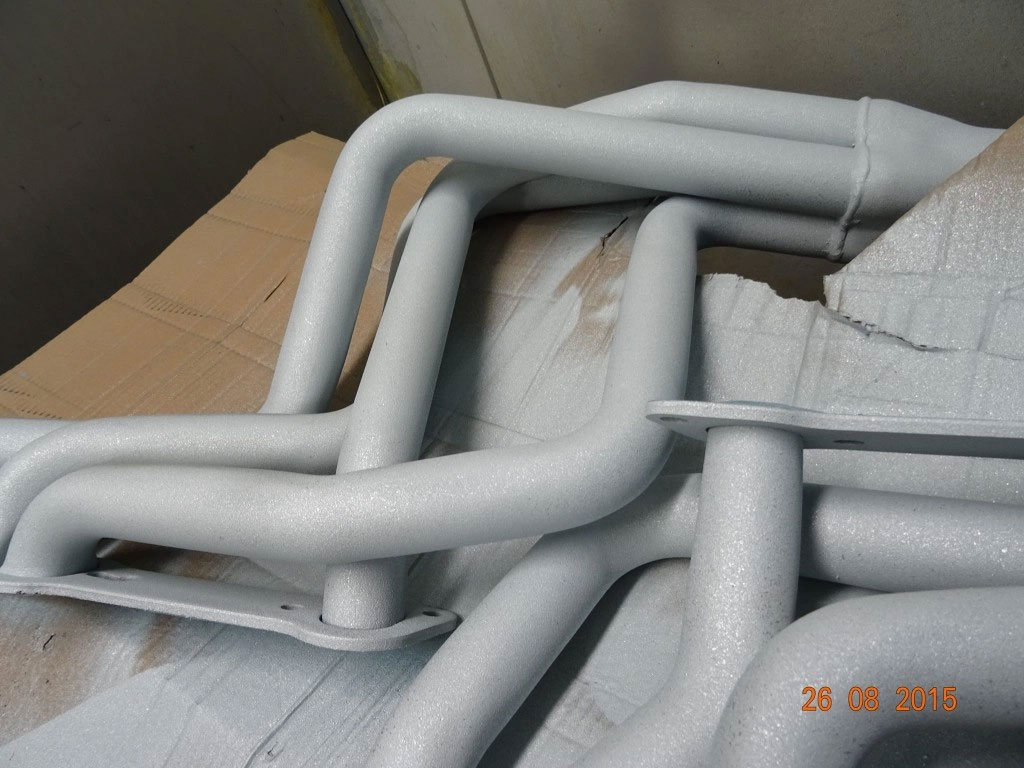
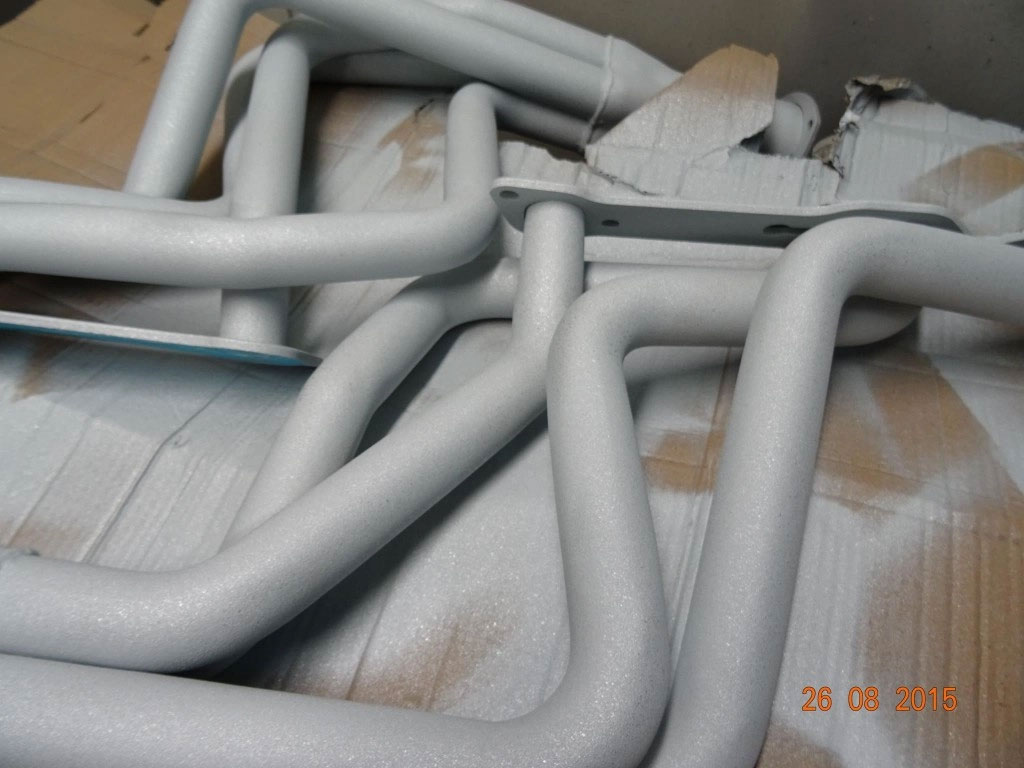
ALLOY COATED EXHAUSTS
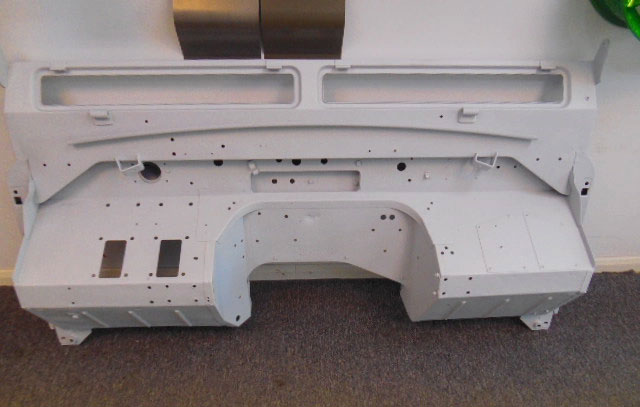
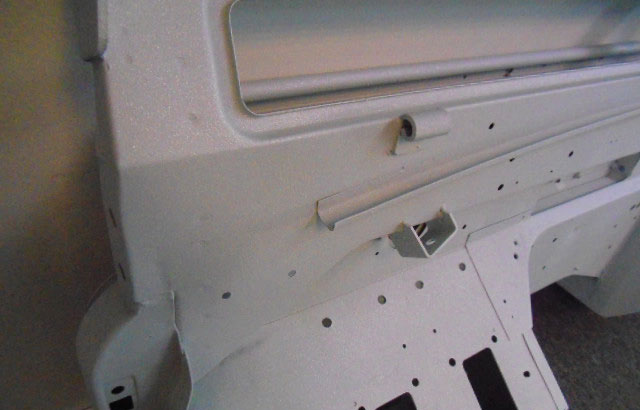
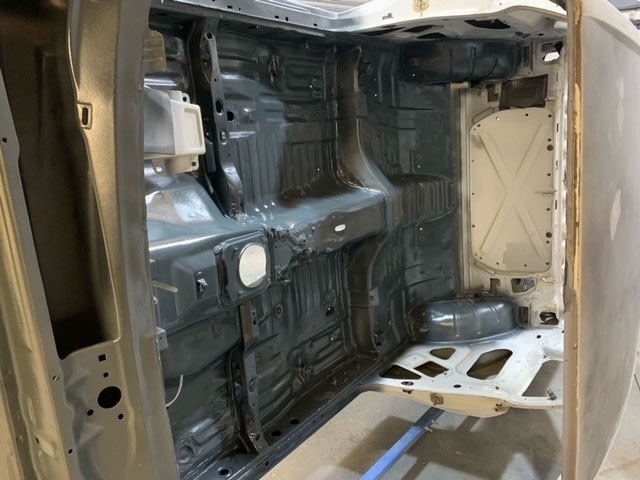
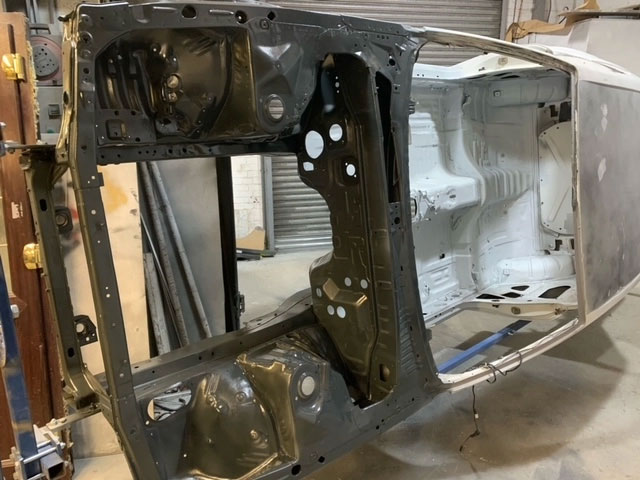
LANDROVER BULKHEAD
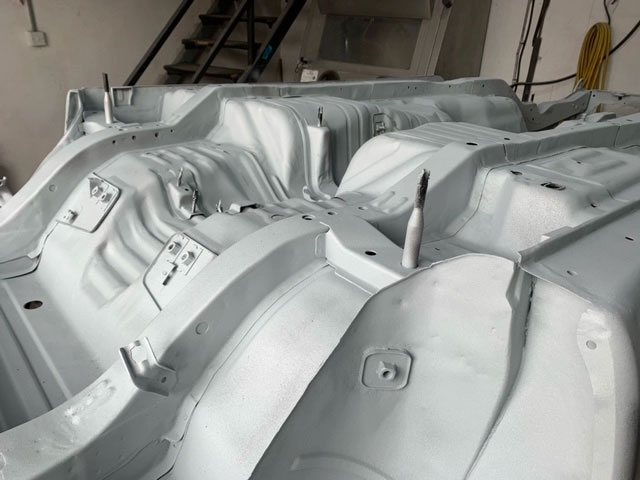
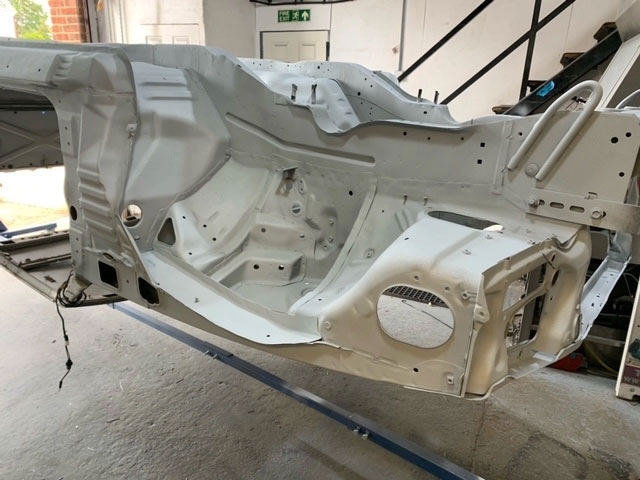
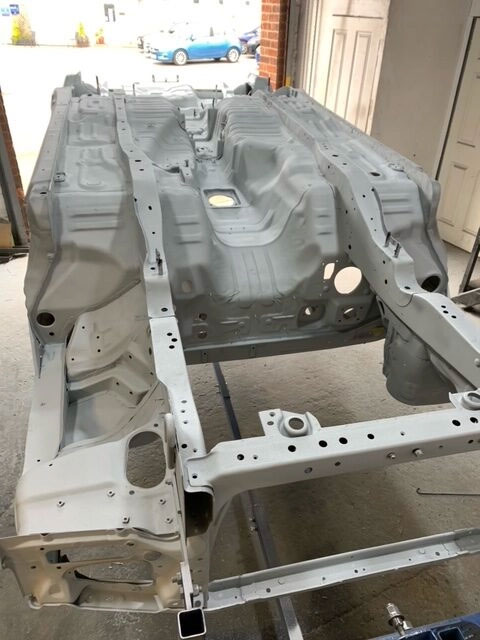
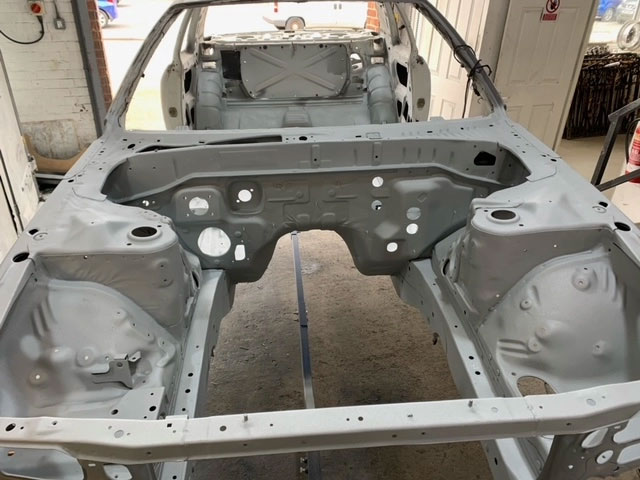
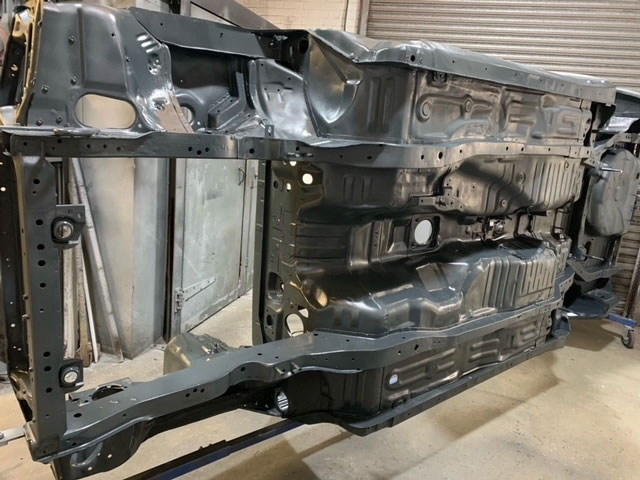
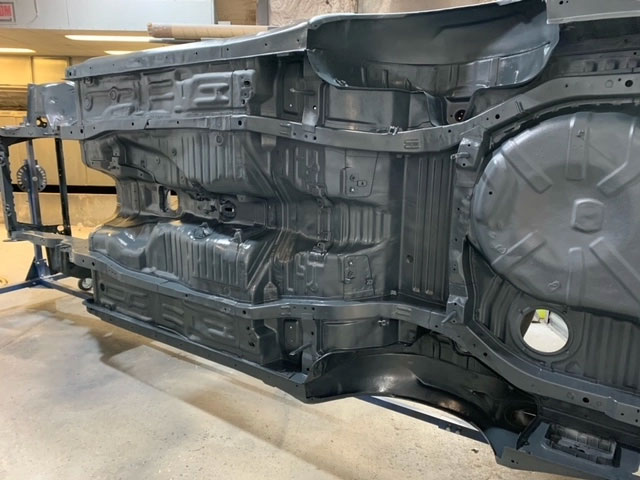
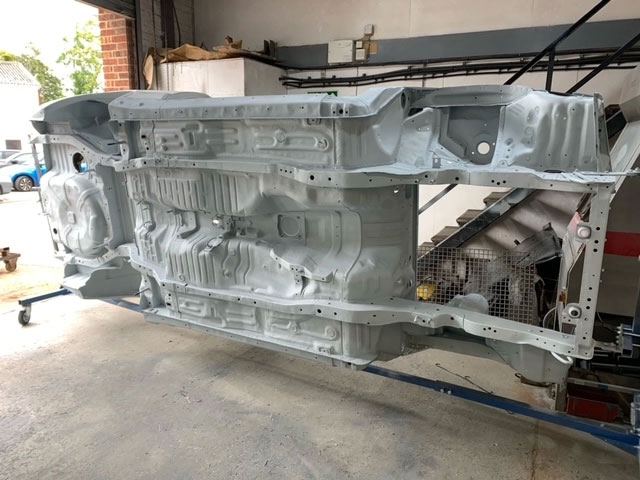
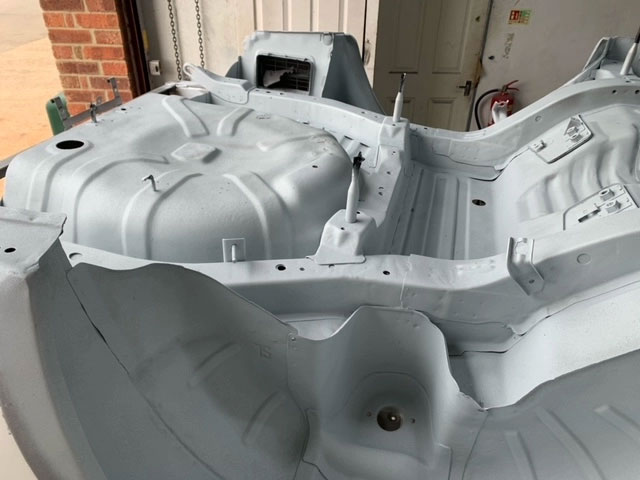
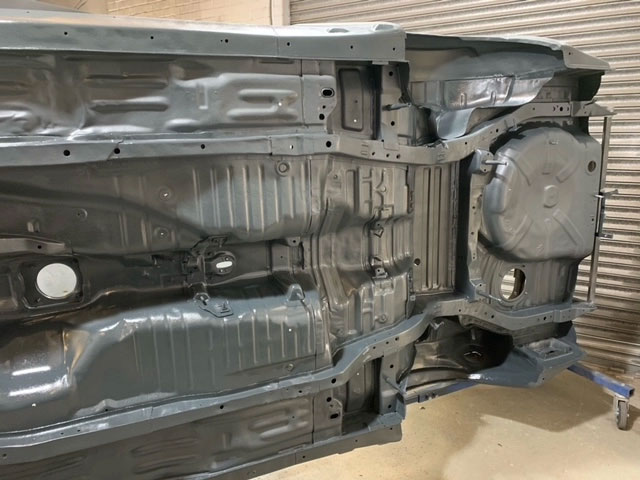
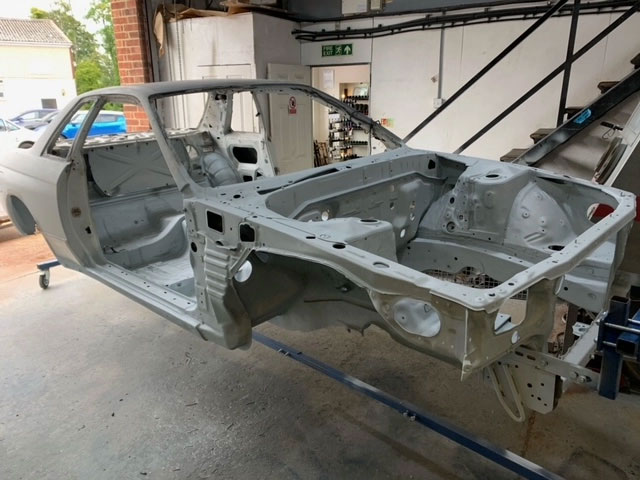
Nissan Metallisation
RSJ Pure Zinc Metallisation
RSJ coated with pure zinc metallisation. Black phosphate coat yet to be applied.
This coating method offers extremely long term protection.

Callipers
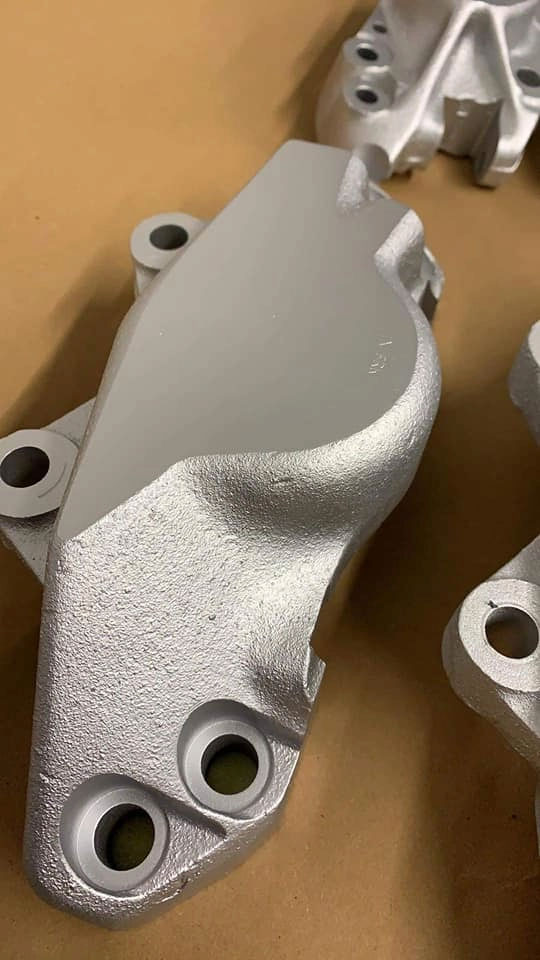
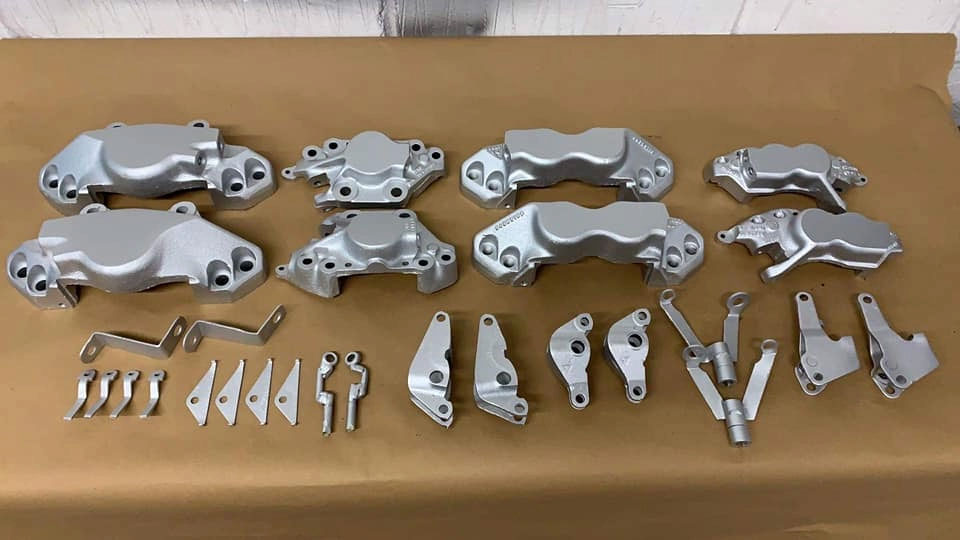
These callipers were badly pitted by corrosion and required extra time and attention. After a careful blast clean a layer of pure aluminium ark spray applied (metallization) to repair the damage this was cut back leaving a smooth surface and the final ceramic finish not only looks good it will provide long term protection. Metallization info can be found on our website.
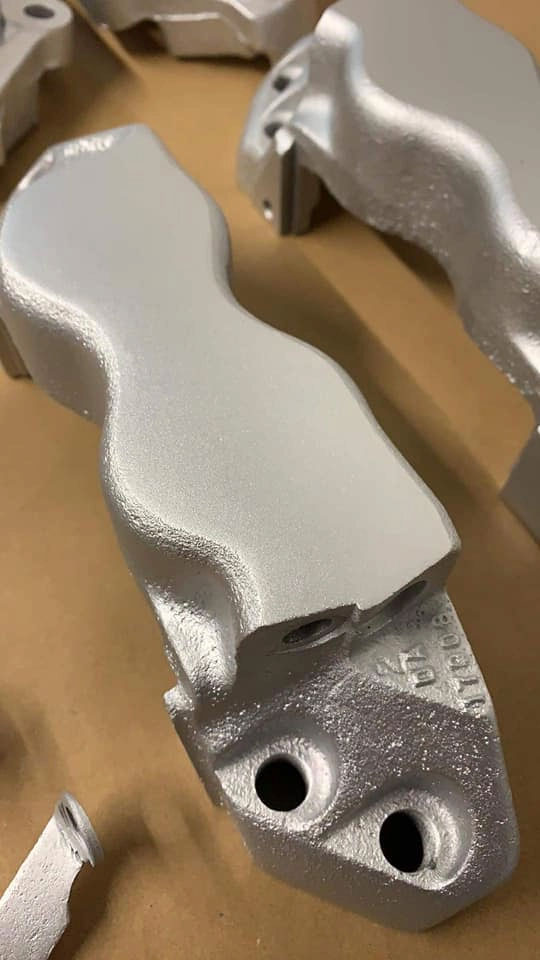
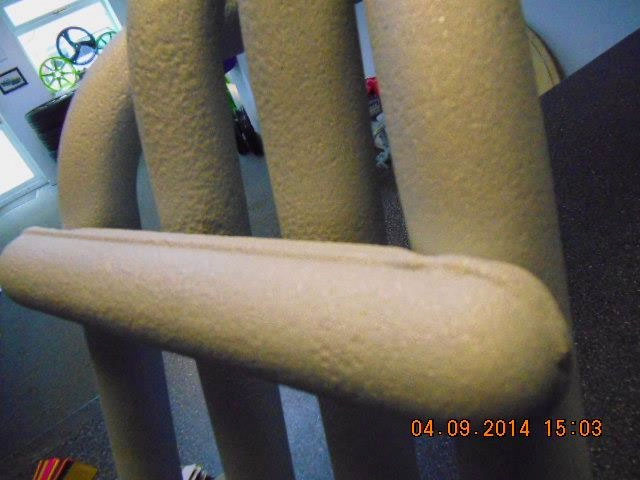
Repaired Manifold – Using Metallisation
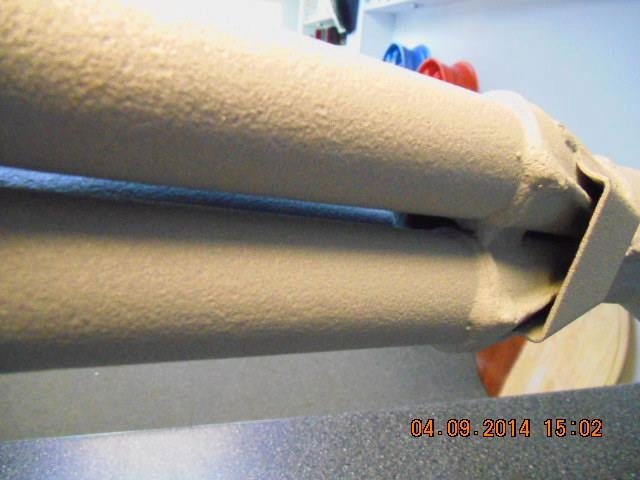
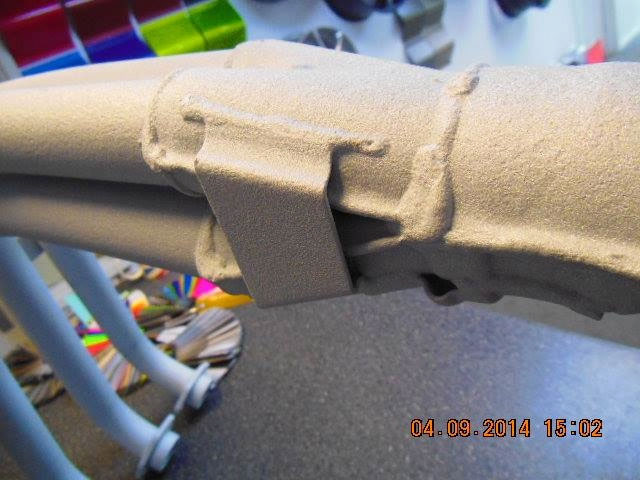
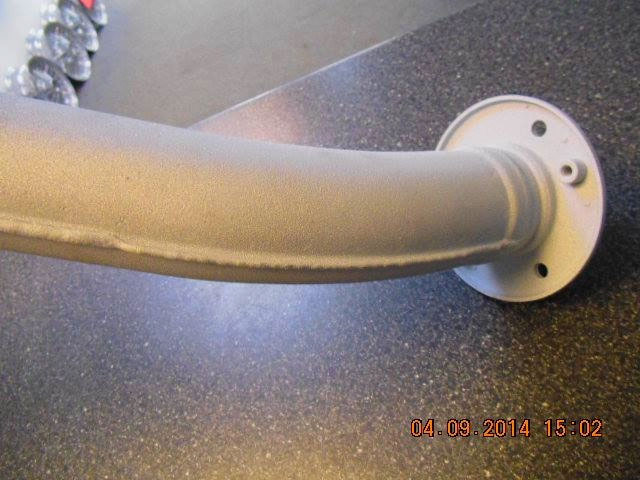
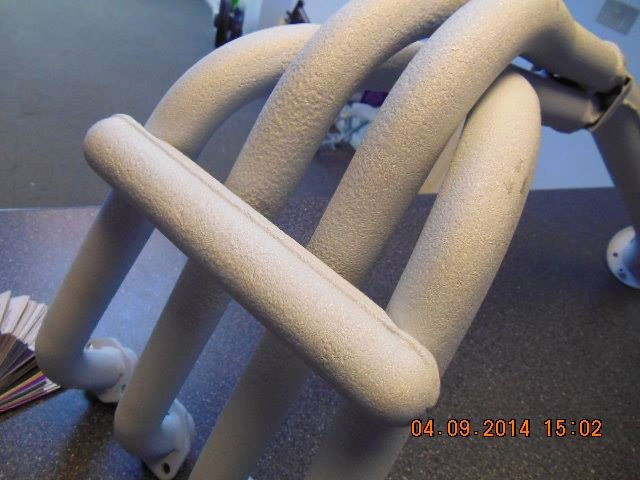
Repair of manifold. Blast cleaned and 2 coats of Zinc metallisation applied, Giving a new lease of life, this system is extremely effective for long term protection, keeps the heat loss down by at least 20% and also very good for filling small blow holes without the need to weld. Heat paint can be applied to the zinc surface. Furthermore this is an inexpensive solution over other systems.

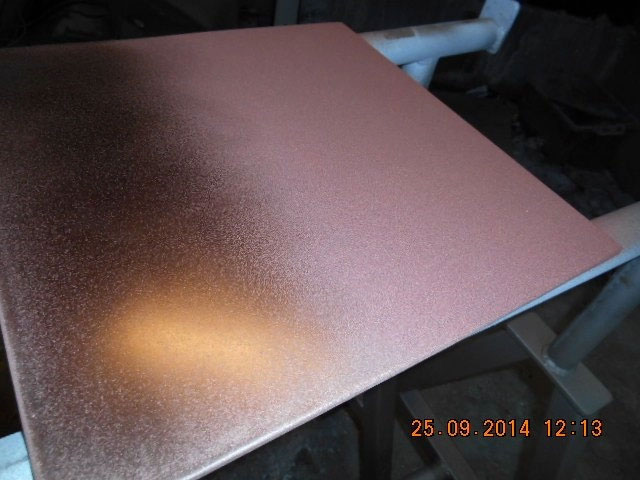
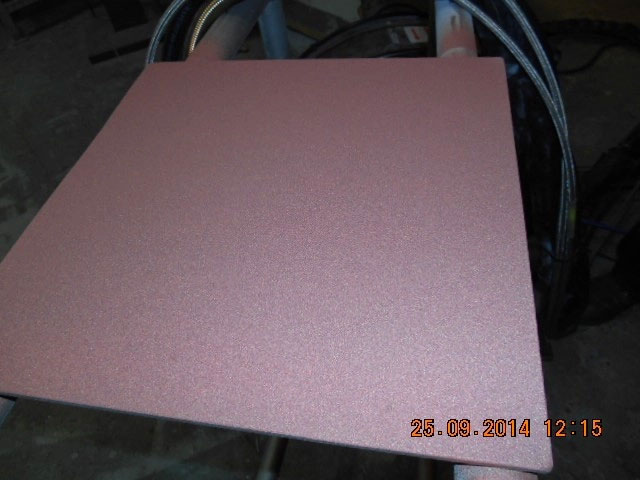
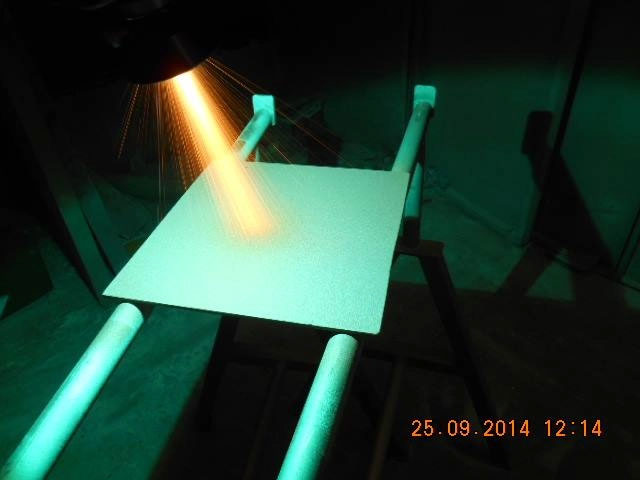
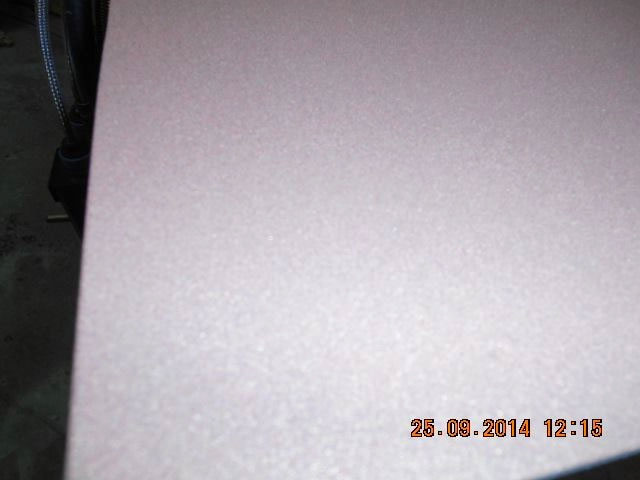
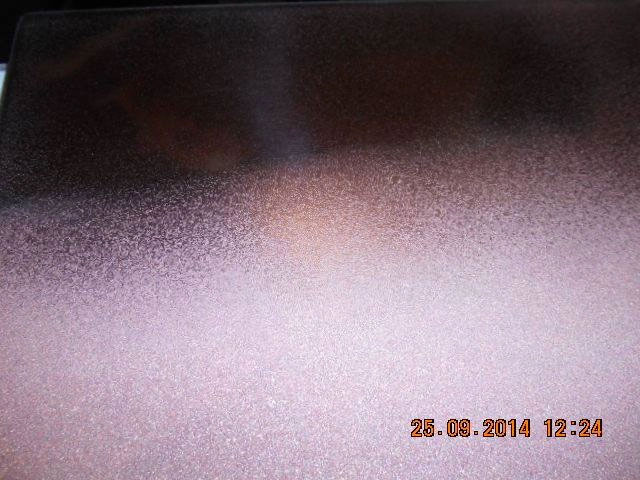
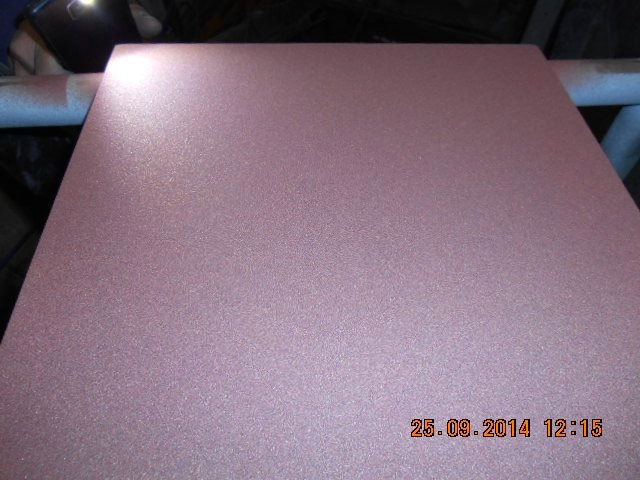
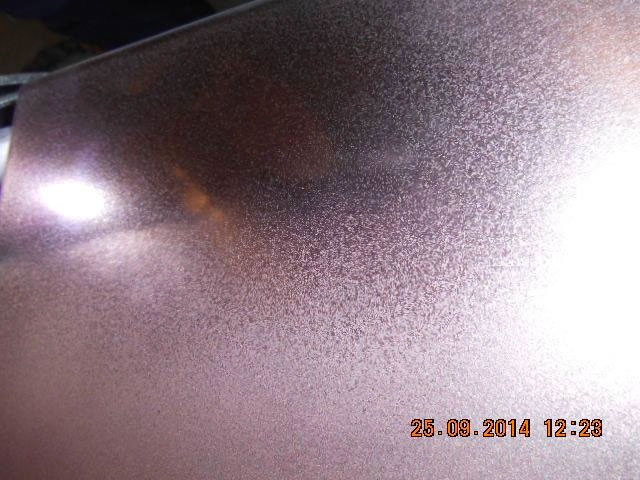
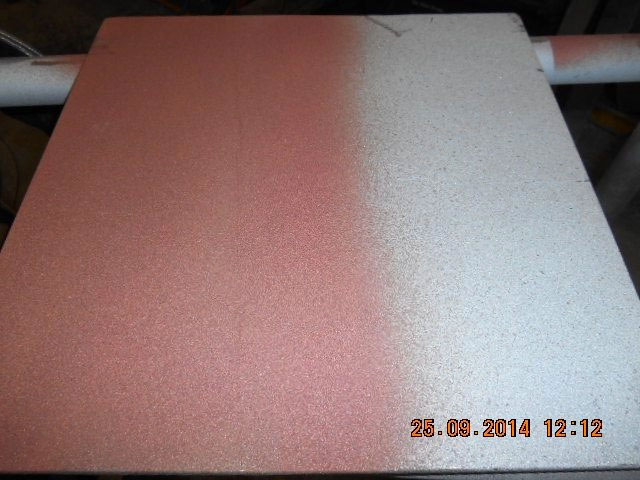
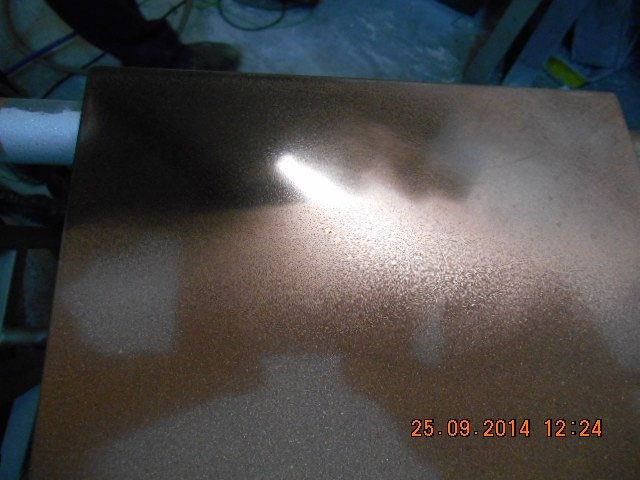
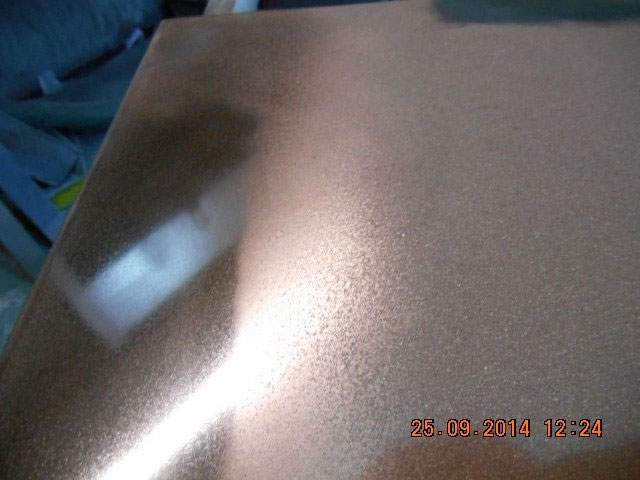
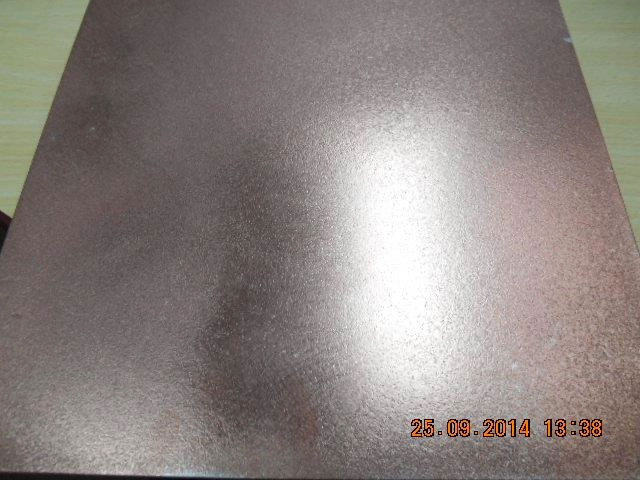
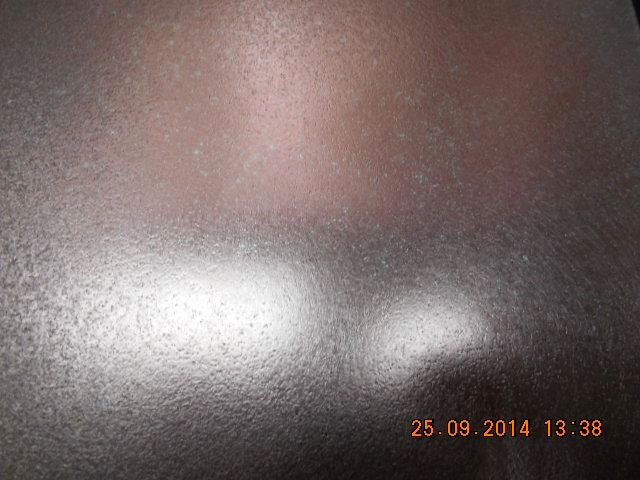
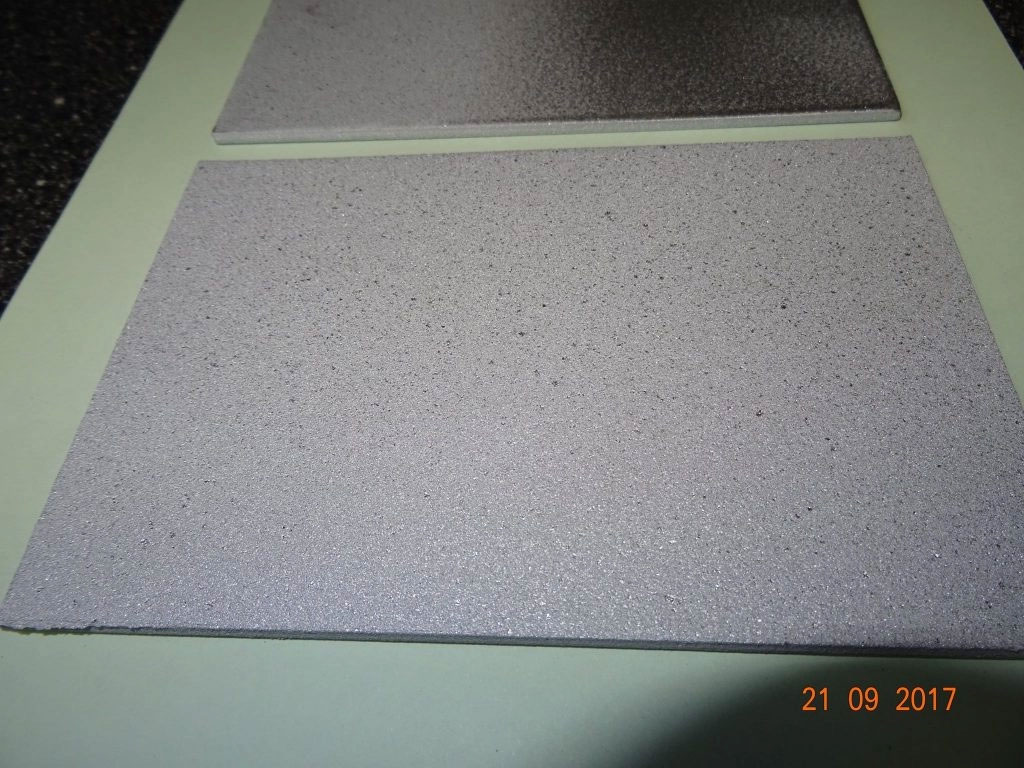
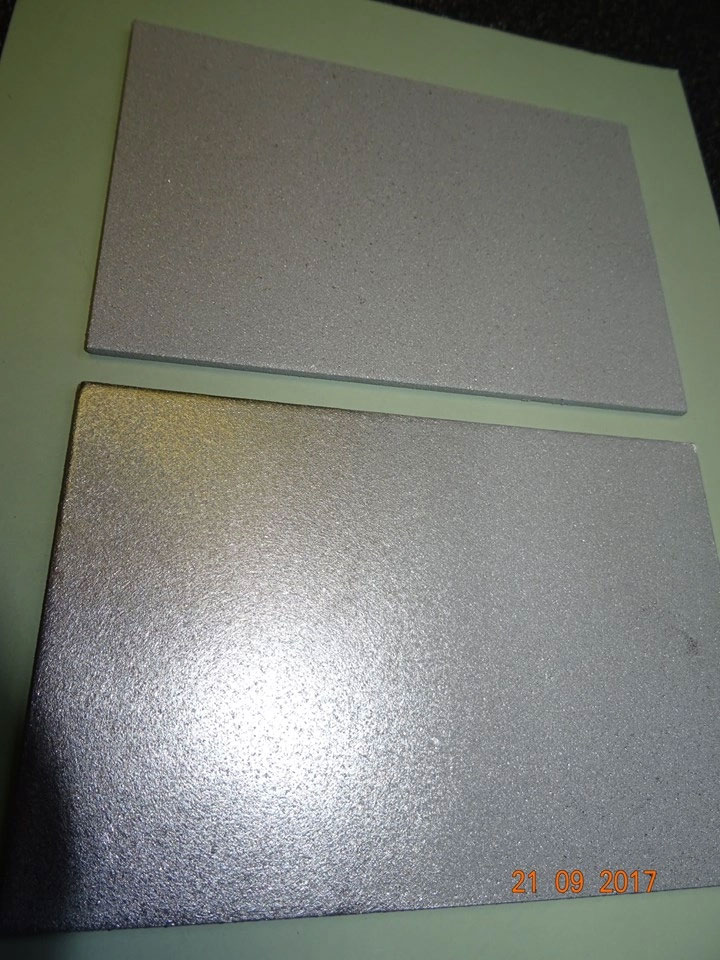
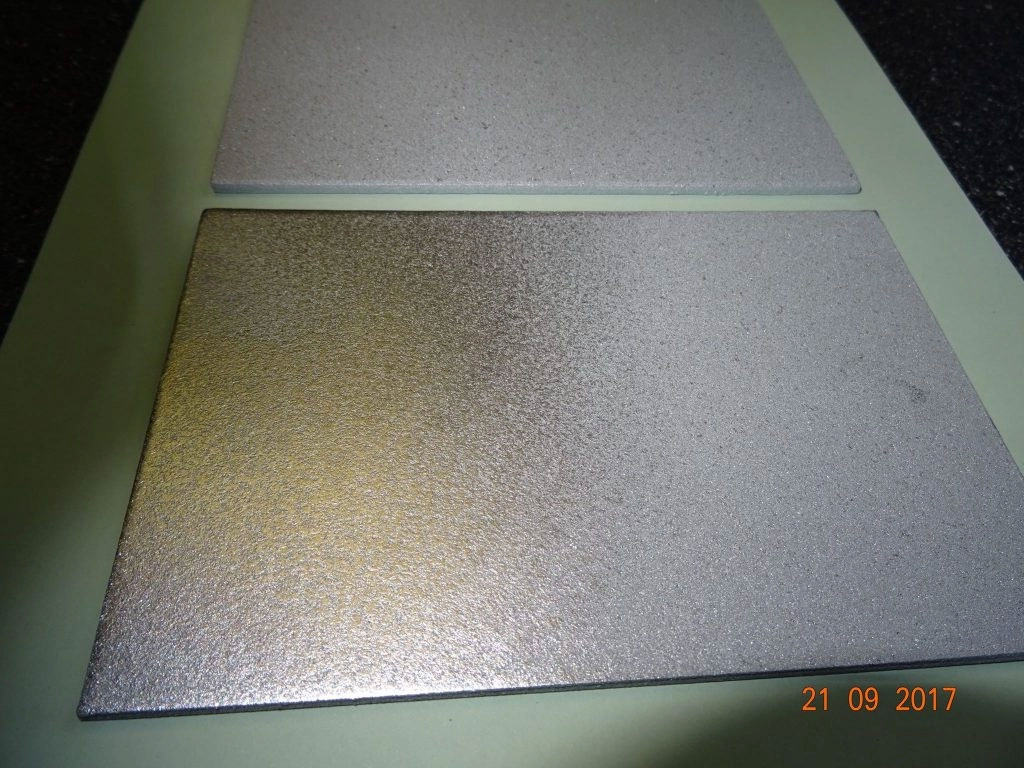
Samples of pure zinc metallisation carried out by MSB
The examples below show one plate cut back with a air sander revealing a satin finish or can be left in its out of the gun form for incredible paint adhesion.
This pure zinc coating can be used for any steel body shells, chassis work. Once applied any type of colour coating can be applied. offering outstanding corrosion protection.
When left unpainted this coating will last over 20 years exposed to all weathers. So if you are looking for ultimate anti corrosion protection then you have found it. From replacement car panels to full steel body shells. See the link above showing a Land Rover Chassis being coated and other vehicle projects we have undertaken in the past.
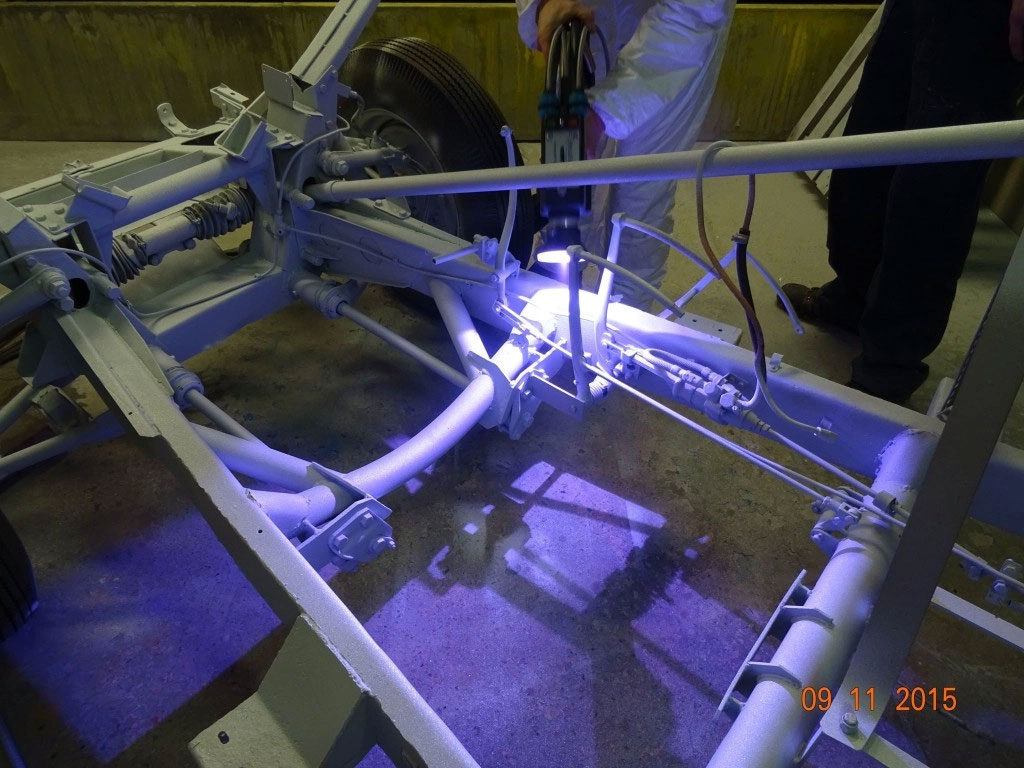
Metallisation of a Land Rover Chassis
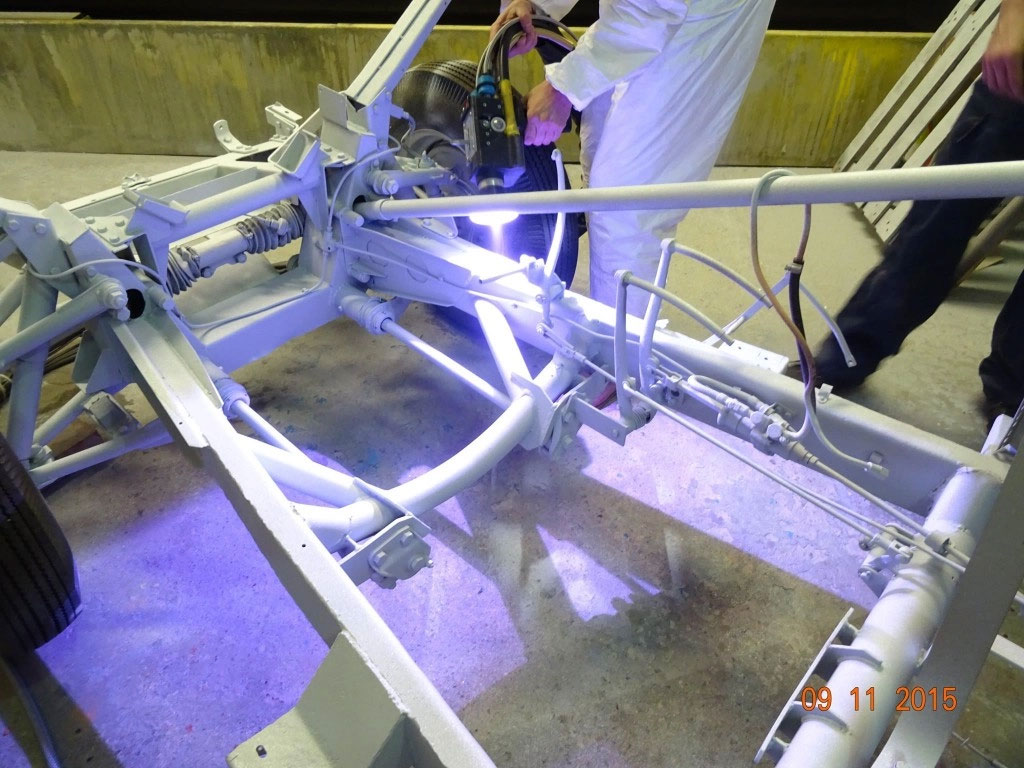
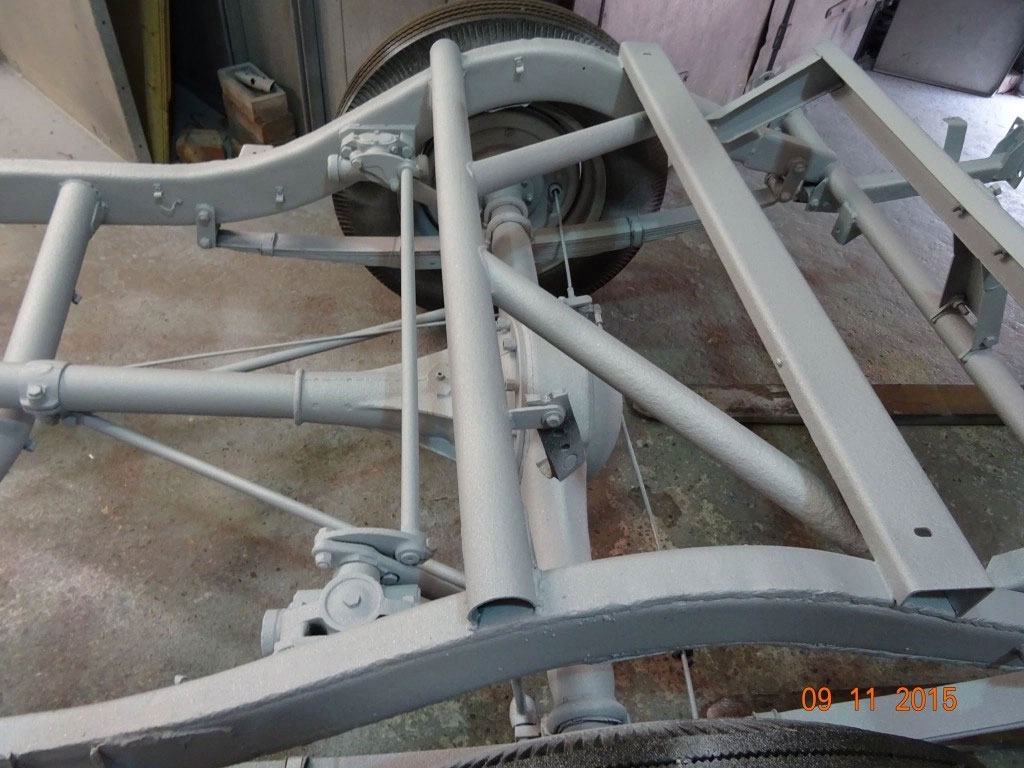
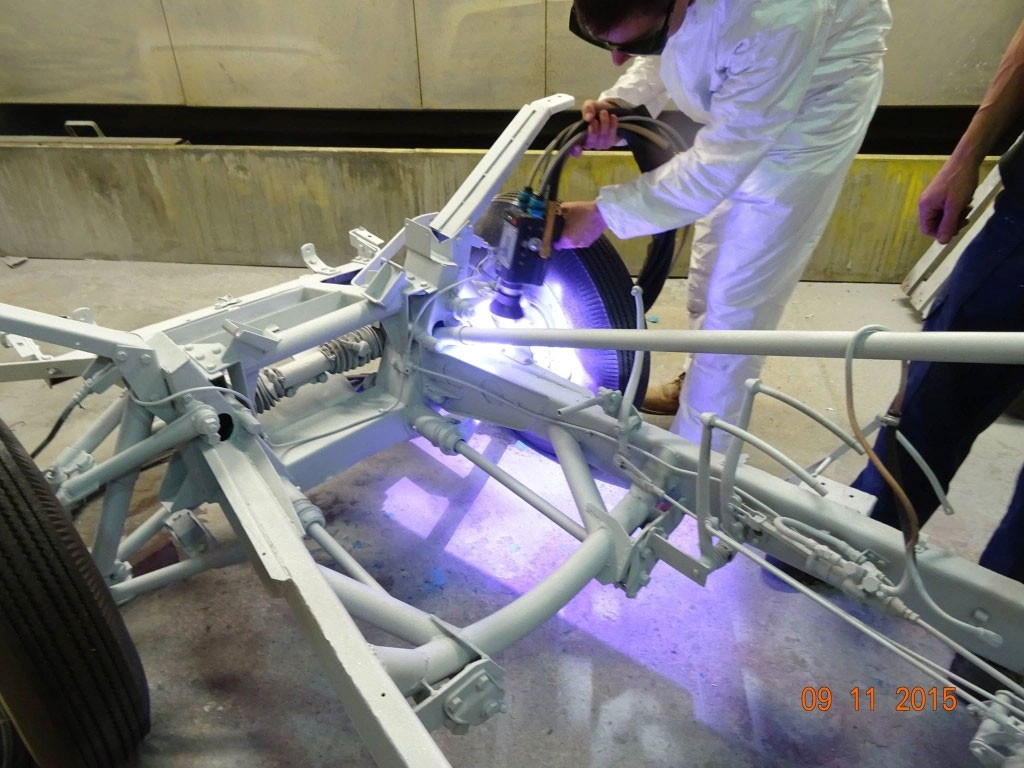
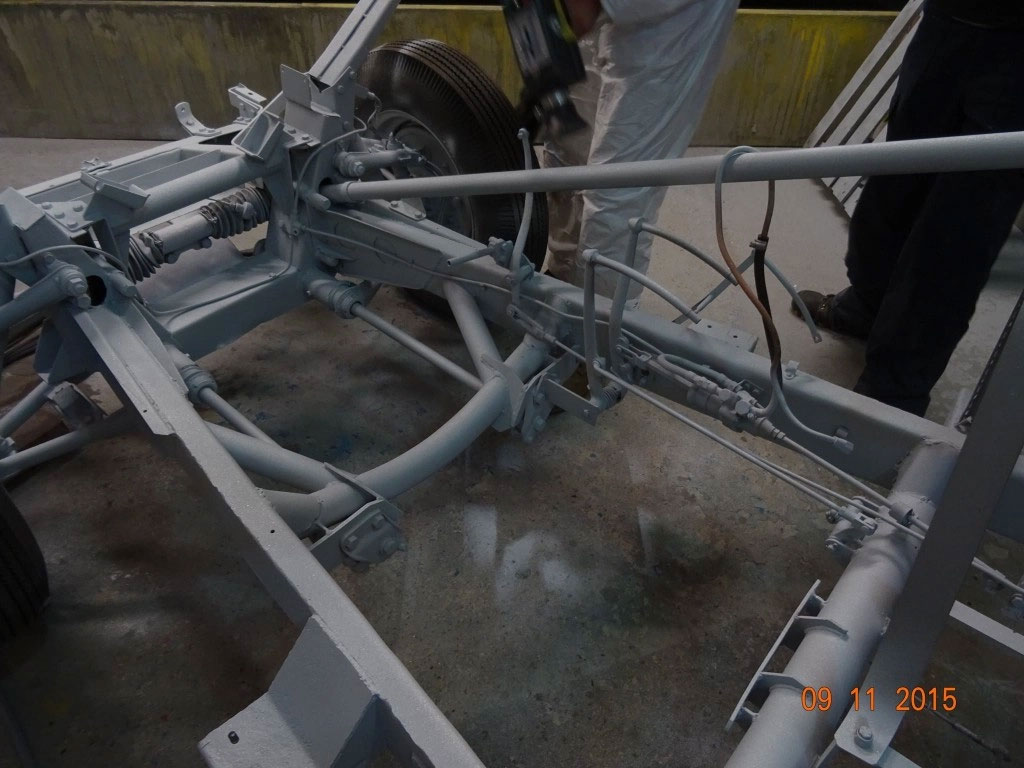
Metallisation in progress on a land rover chassis. Note the fine laydown of pure molten zinc particles forming a barrier on the blast cleaned surface.
This is the next best thing to galvanised dipping without the worry of frame distortion or build up of materials in the box sections or any mounting threads.
Once complete it can be wet painted or powder coated.
Zinc and Copper Metallisation
Hardwood, blast cleaned, coated in zinc then copper metallisation. Something different. New project one off designer a table lamps…
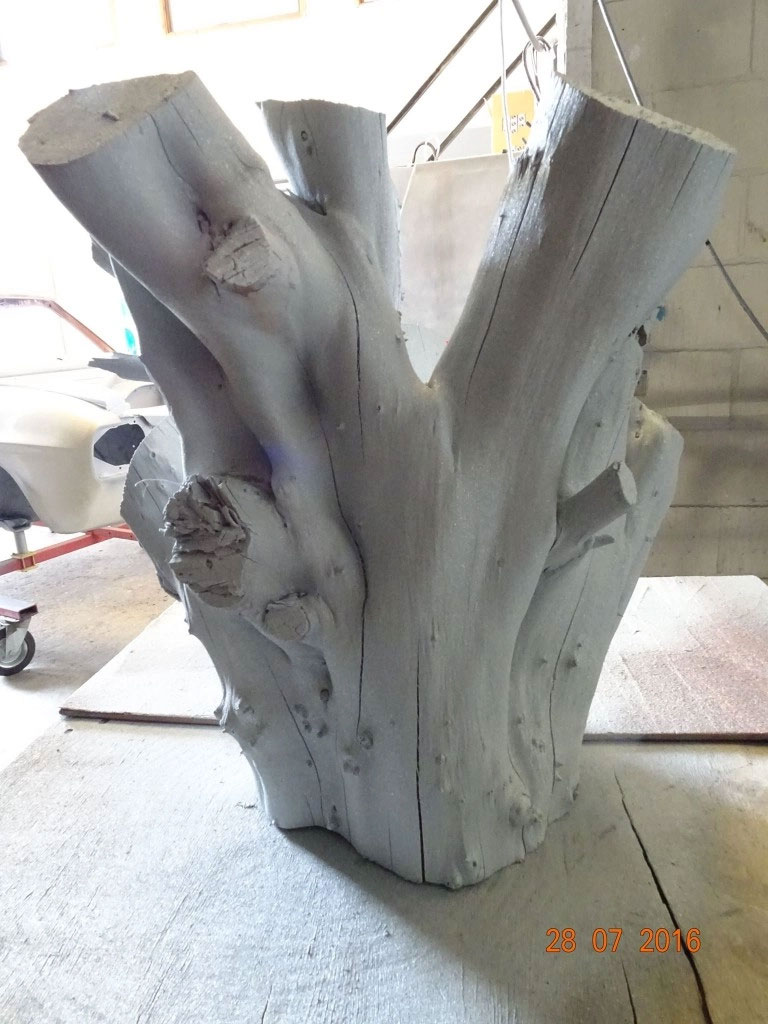
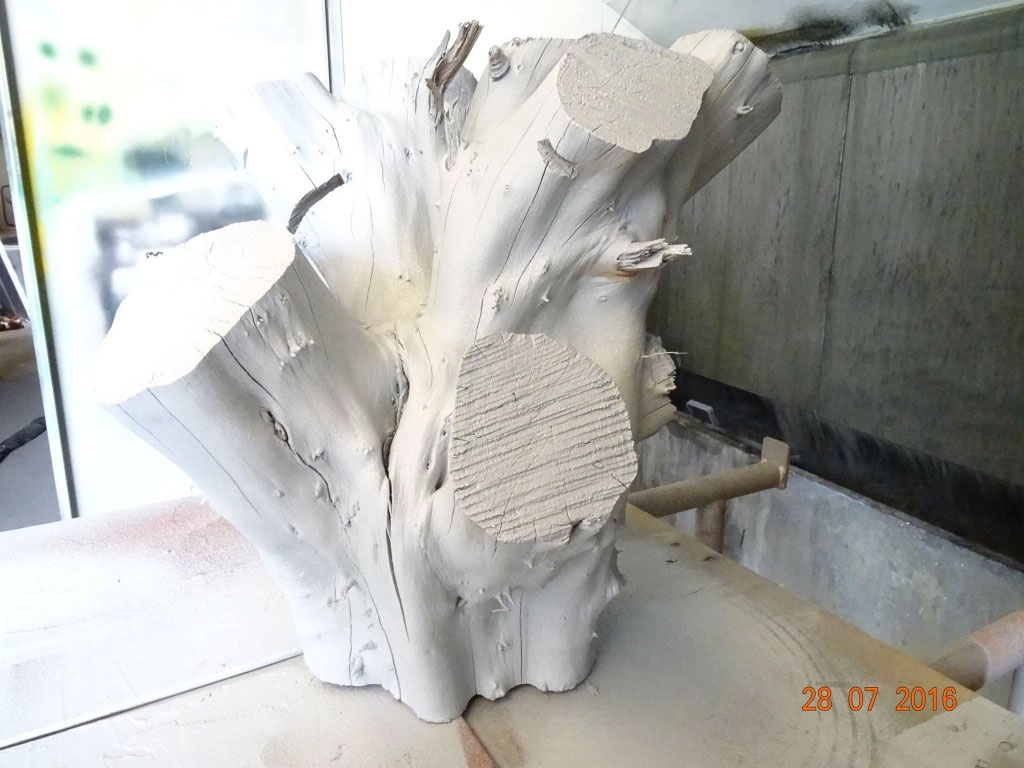
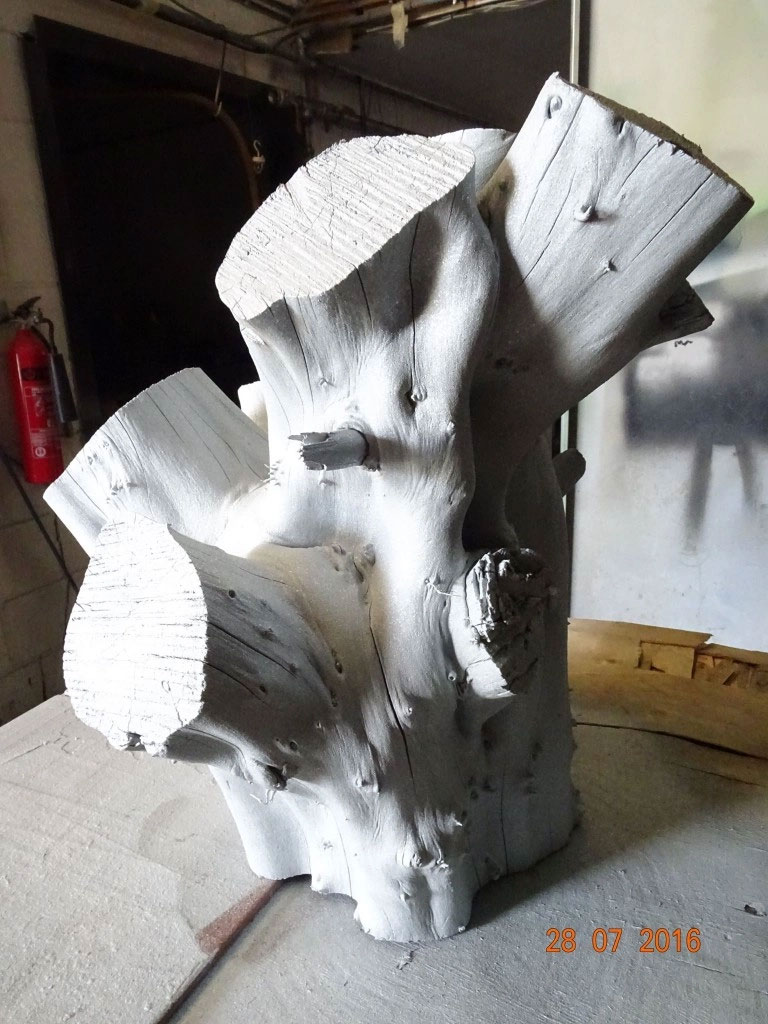
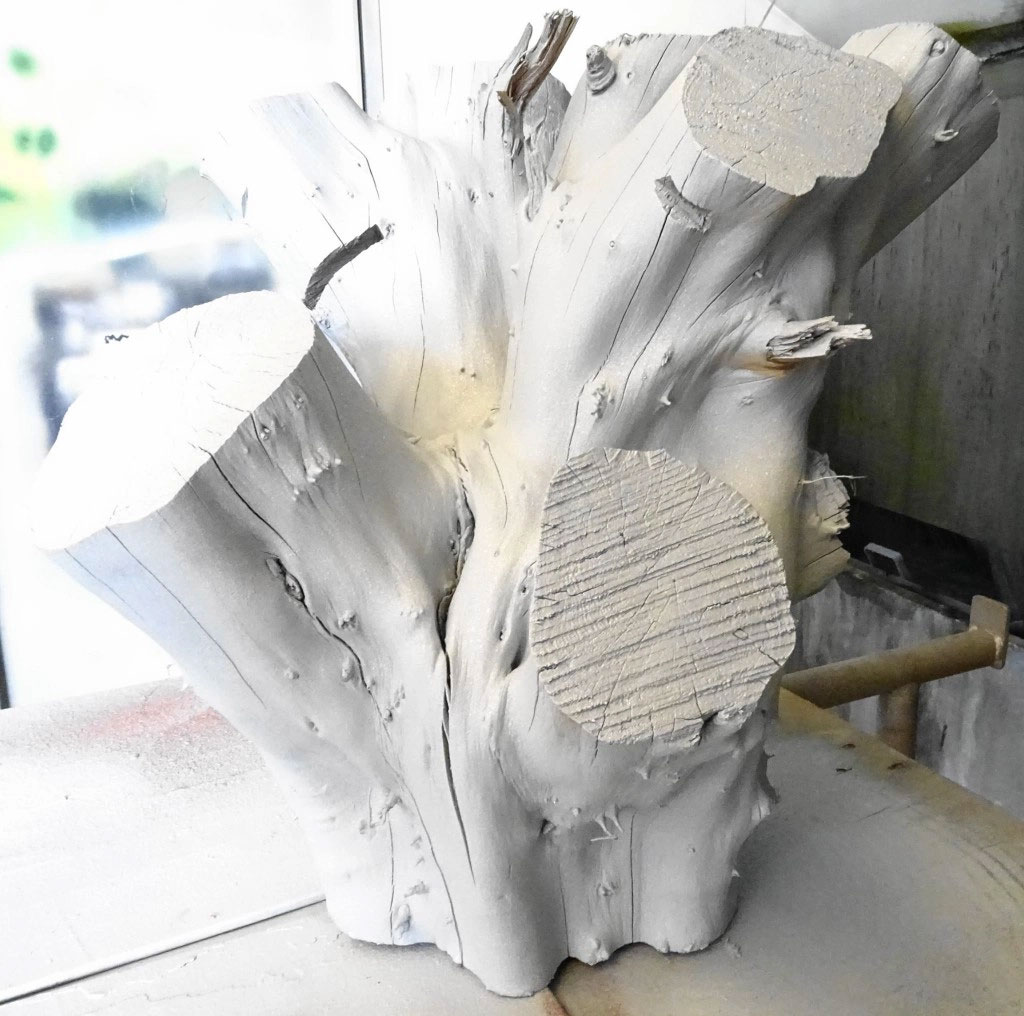
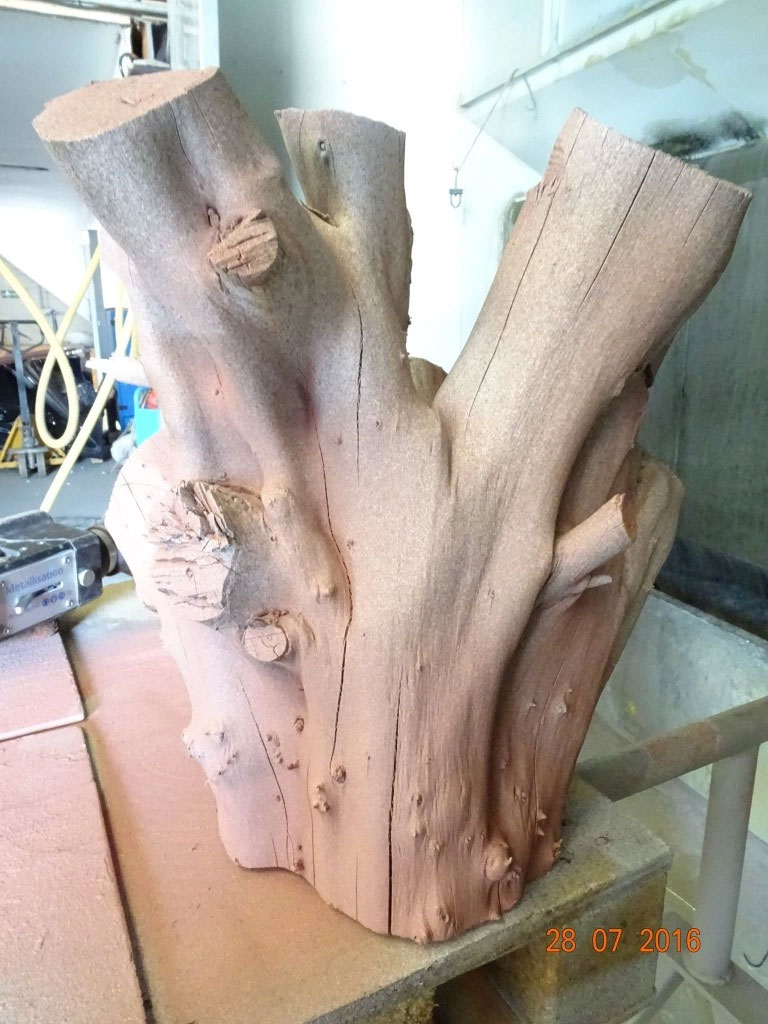
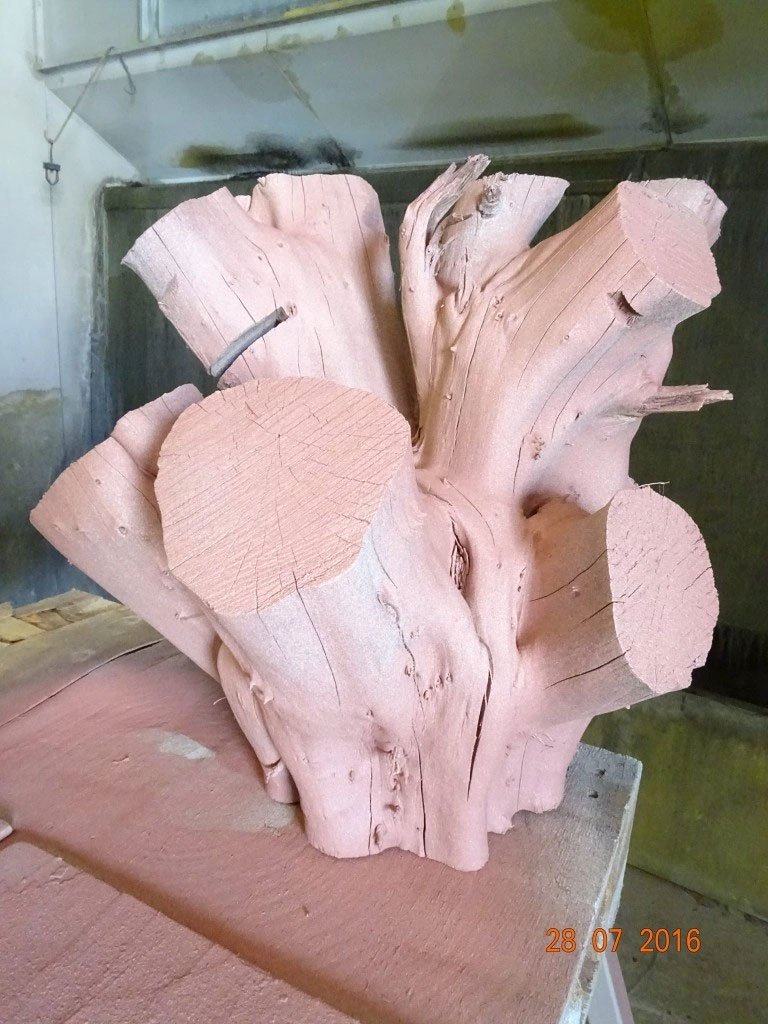
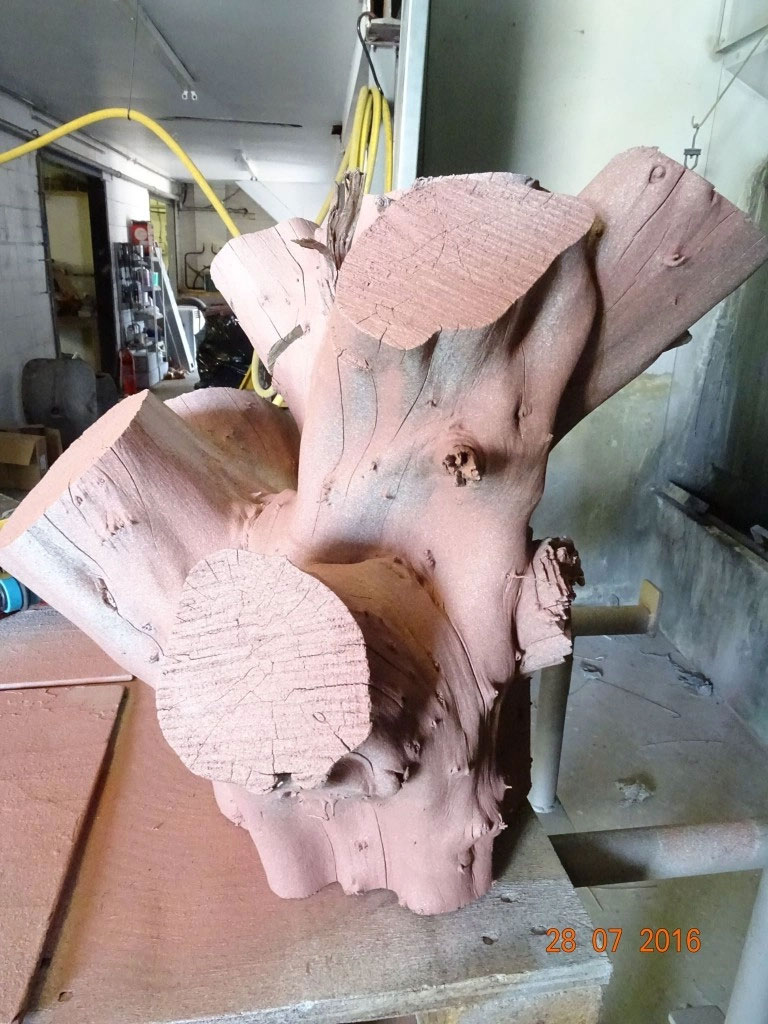
Blast clean & zinc metallisation.
A somewhat unusual approach but this is what the client requested. Blast clean & zinc metallisation. We asked if he was sure. We prefer the parts to be removed before we start on such work.
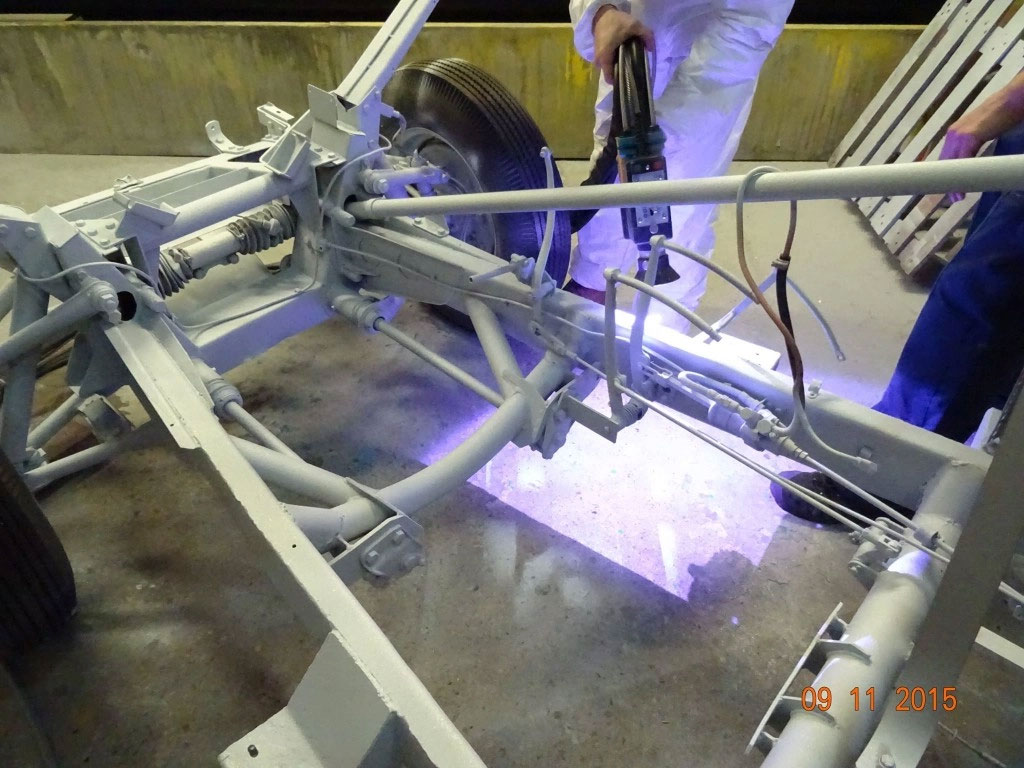
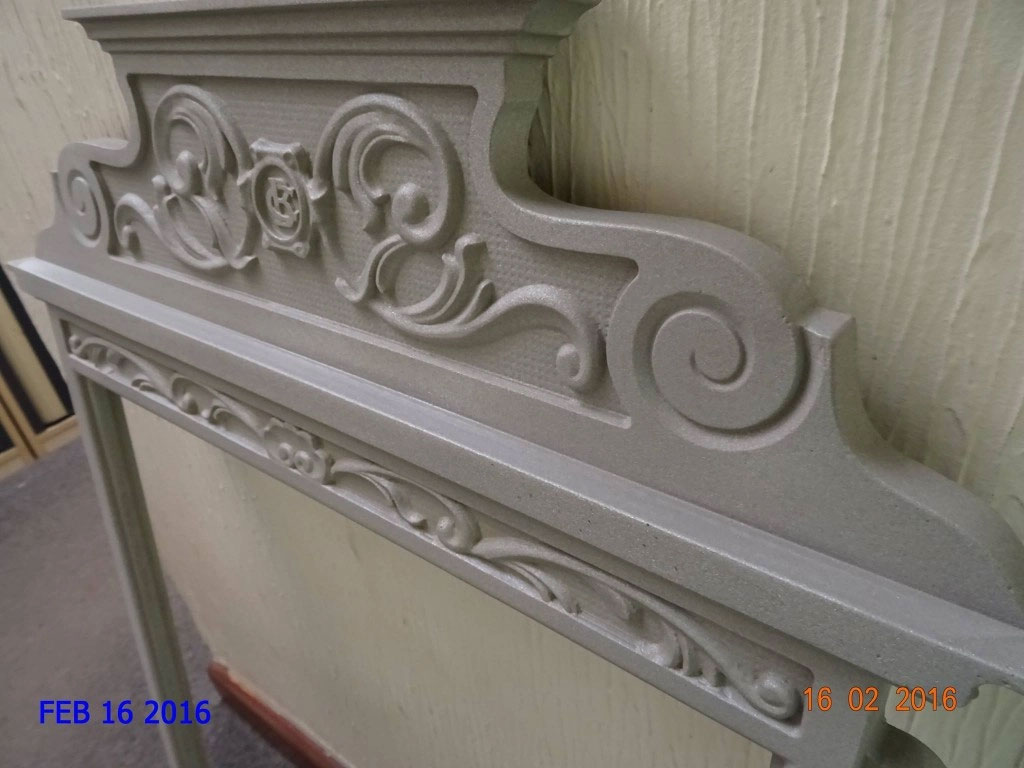
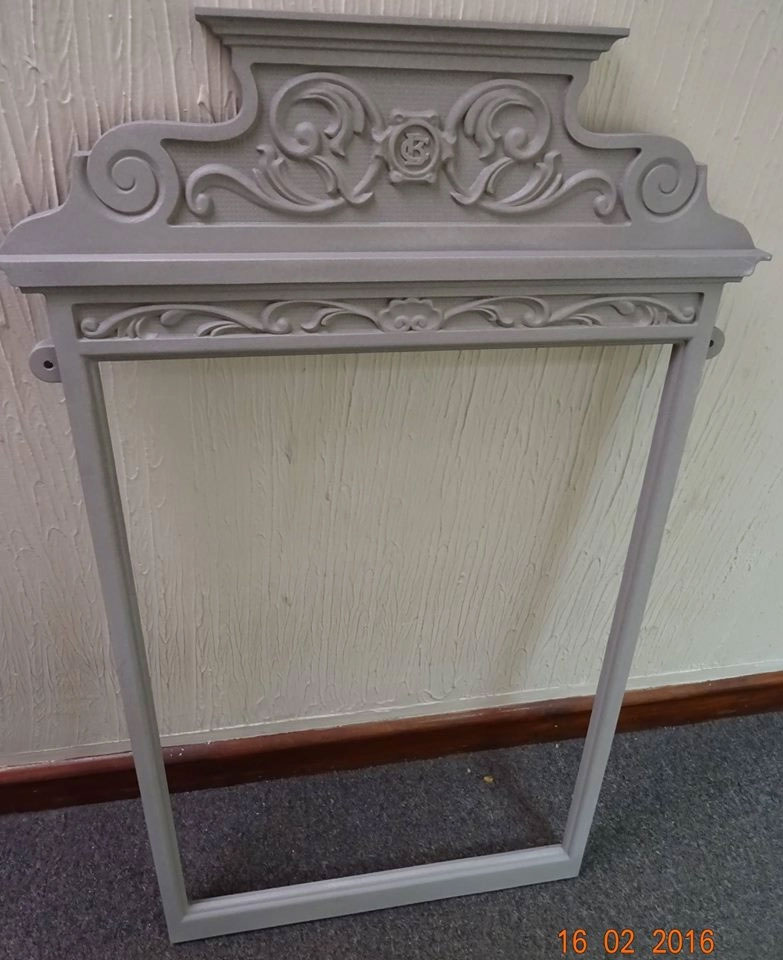
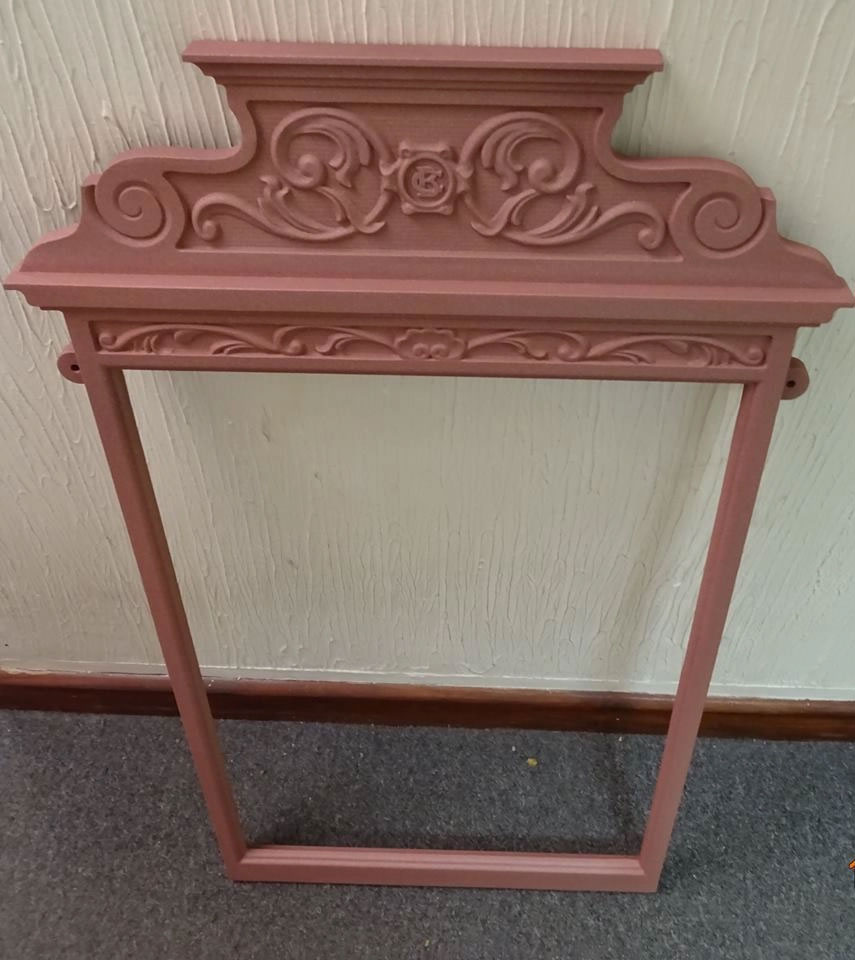
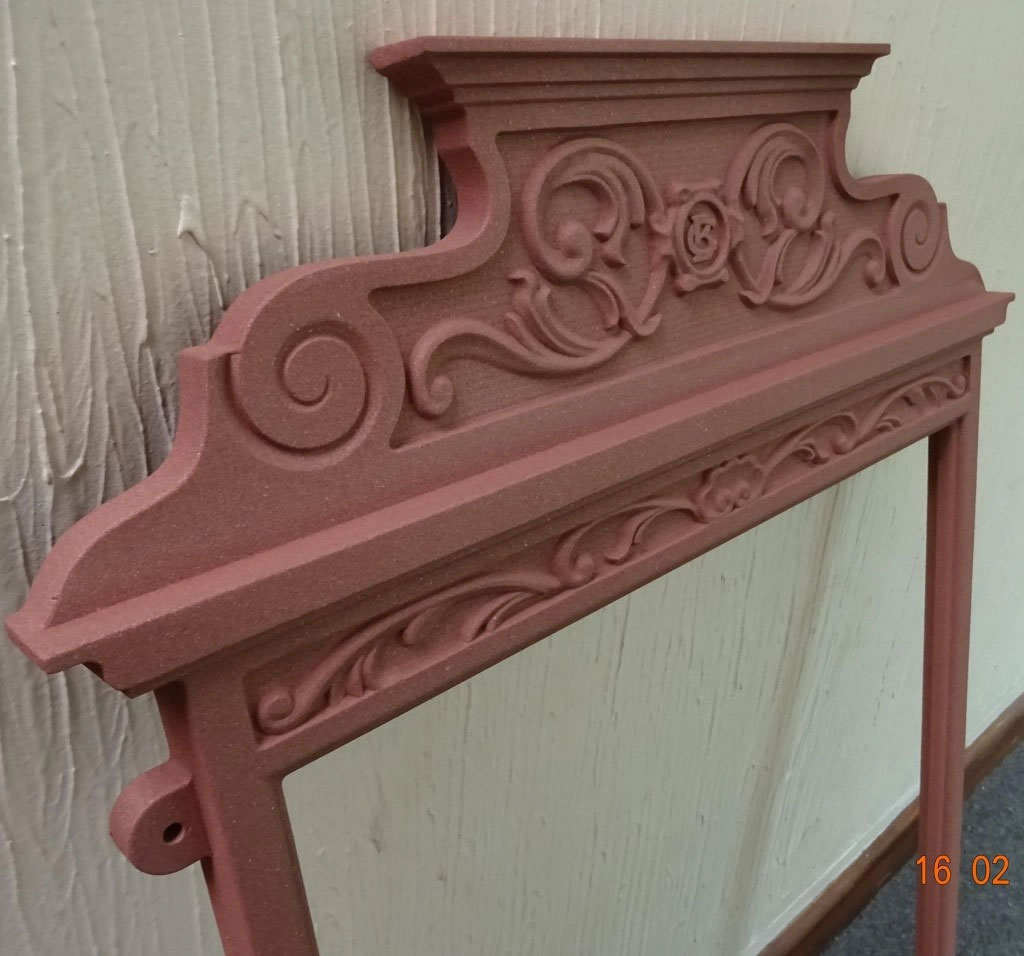
Copper metallised Frame
Cast Alloy frame shown in the first three shots. Now finished in metallised pure copper coat. This can be aged with special antique fluid.
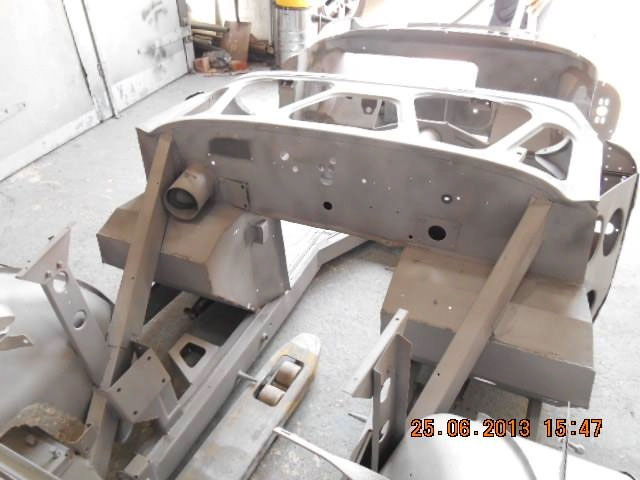
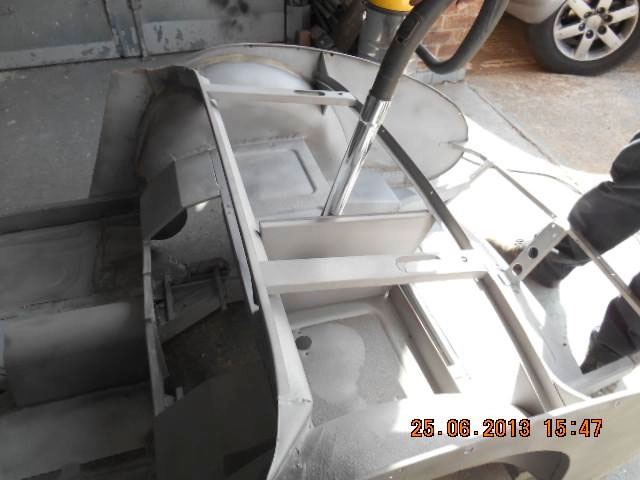
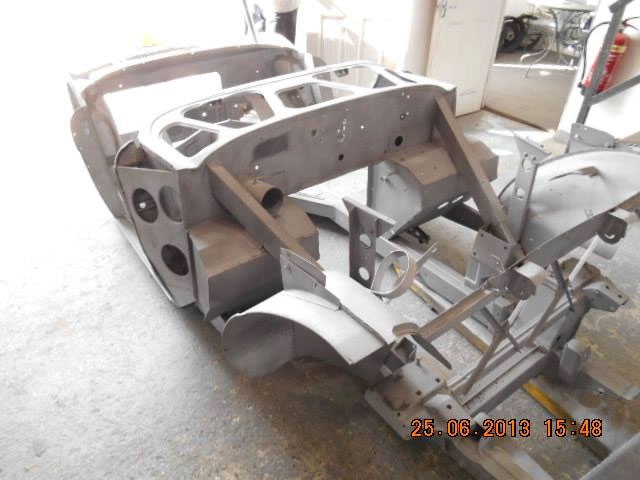
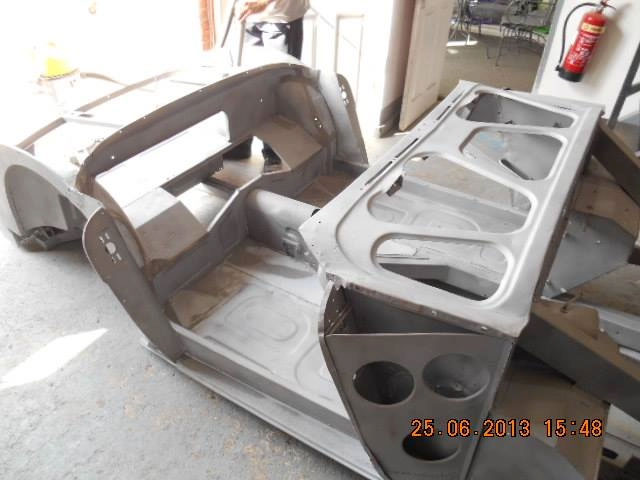
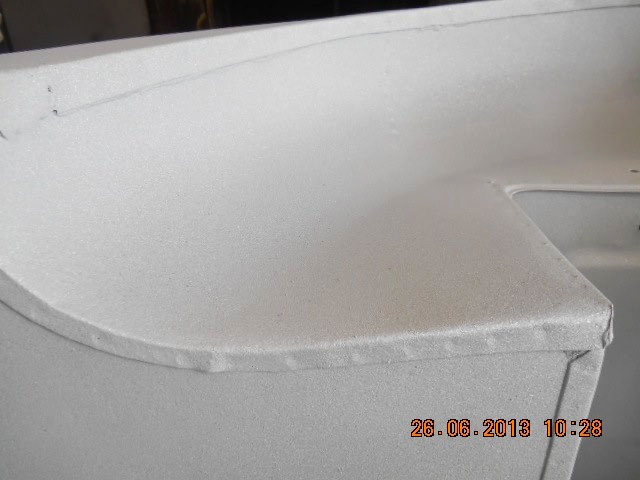
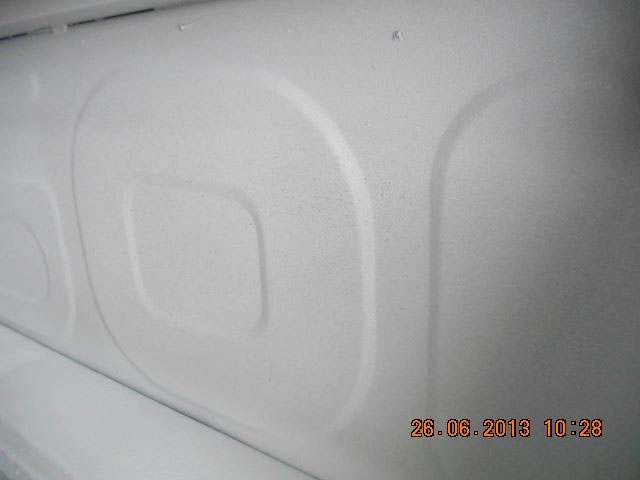
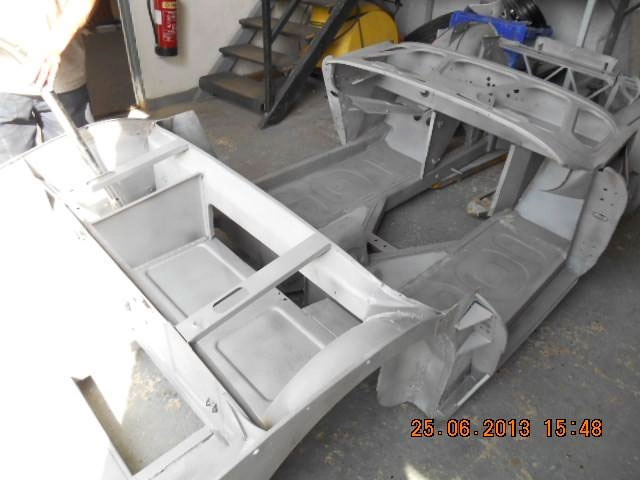
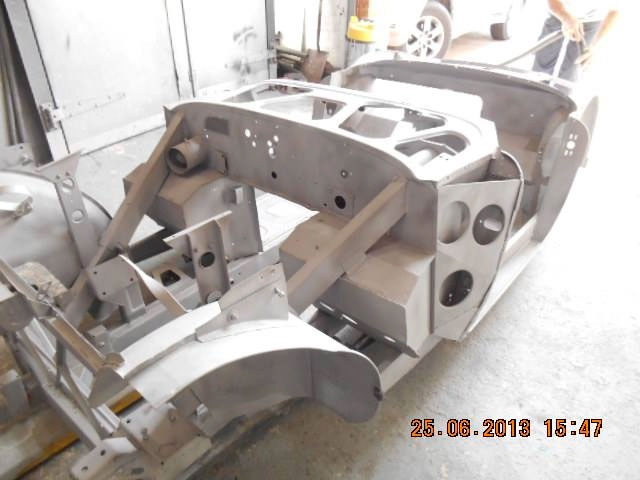
CAR TUB AND CHASSIS METALLISATION
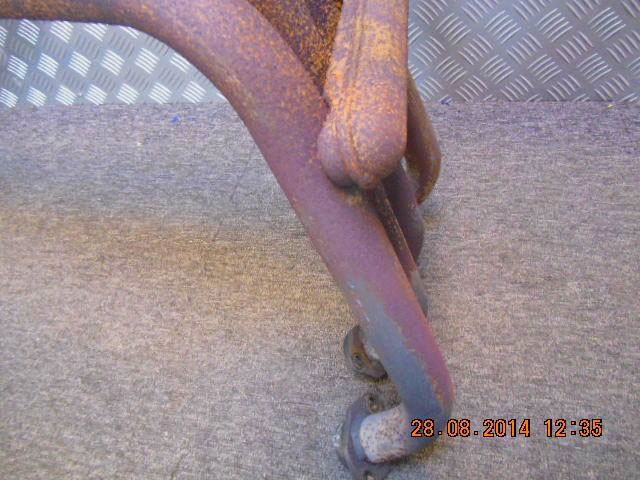
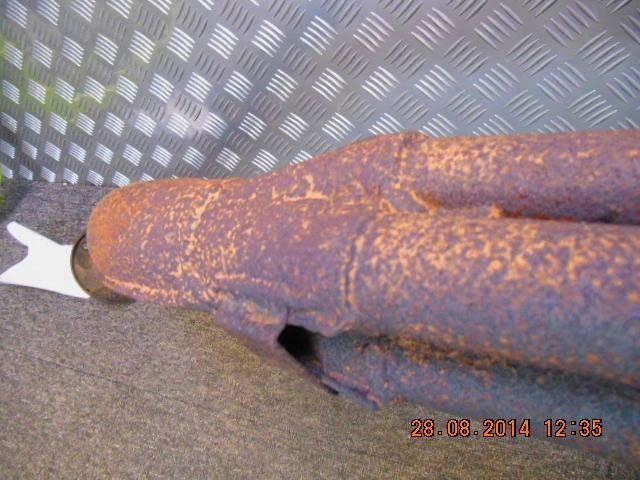
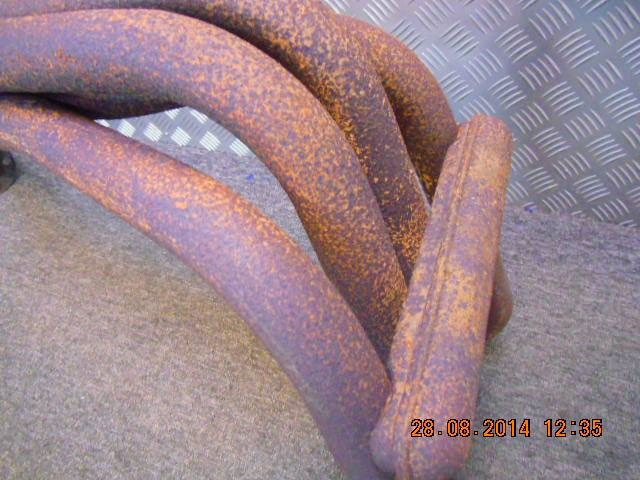
METALLISATION OF A MANIFOLD
Exhaust Manifold – before & after metallisation
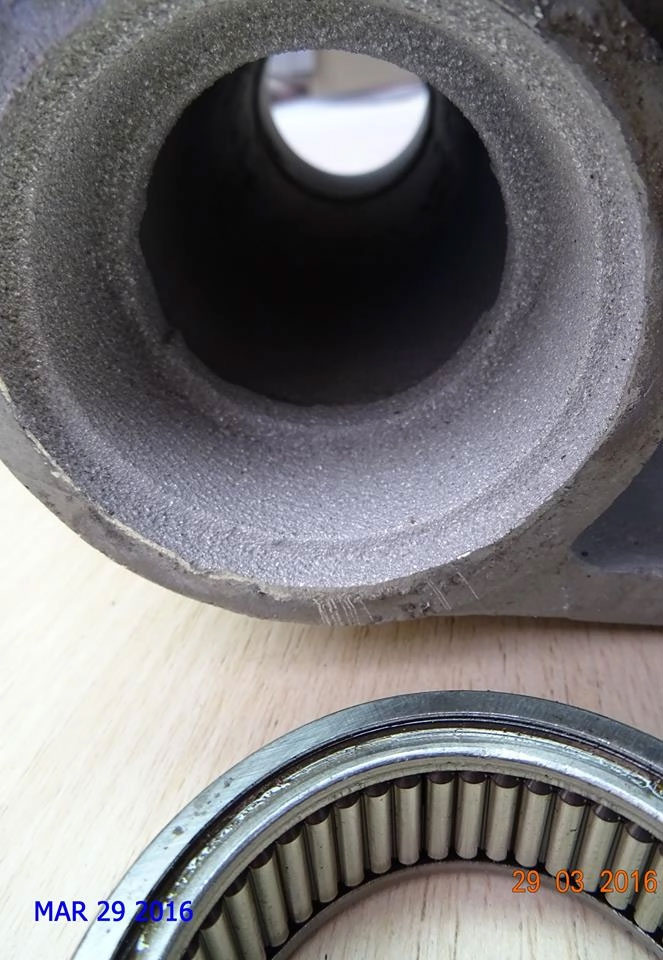
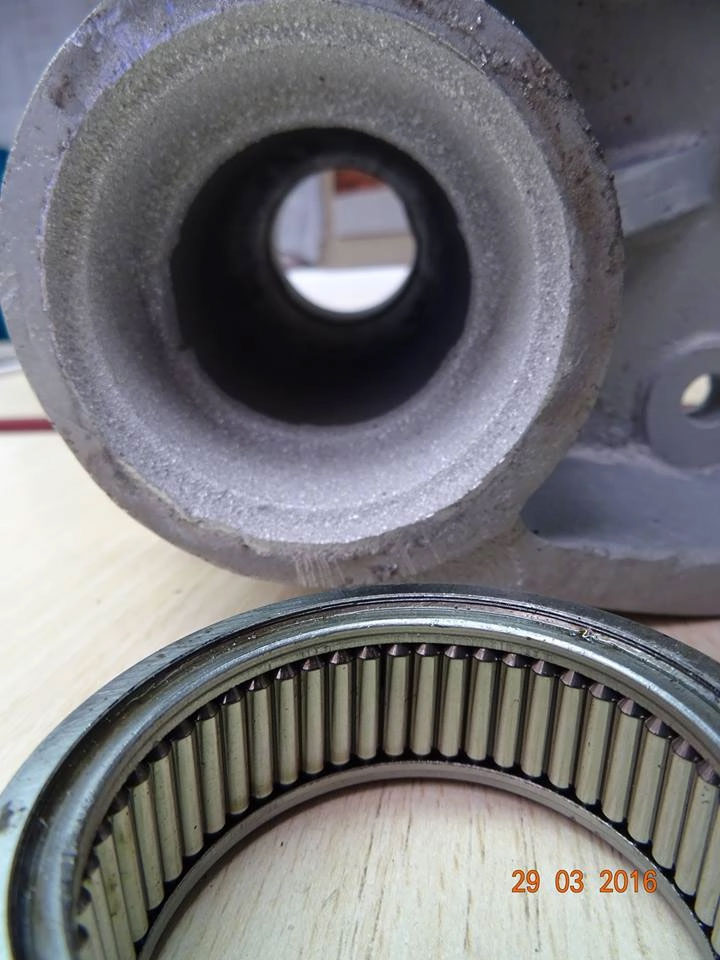
Oversized Bearing Housings
Here is a little trick for oversized bearing housings, This part is an alloy casting and the bearing were a very poor fit. We put our metallisation gun to work and sprayed a pure alloy metal on the surface to build up the walls. This item is now in the engineering shop being milled out to size
GET A QUOTE FOR ANTI CORROSIVE METALLISATION FINISHING
VW body pan - full anti-corrosive treatment CASESTUDY
This VW body pan had the full anti-corrosive treatment.

Schedule of work
- Clean and remove dirt & grease contaminants, blast clean leaving a clean etched & rust free surface.
- Apply 100 micron coat of 99.9% pure zinc metallization coating all areas and masking off all threads. Degas to remove any trapped gas built up within the zinc coat.
- Remove from the curing oven and apply the first coat of Gloss black Plascoat PPA-571 (no primer coat required) whilst the material is still hot, this helps adhesion to the more difficult parts to reach. Bake off and reapply second hot coat. The overall final coats will be around 300 microns inc zinc coat. The added weight to this will be around 8 kgs.
This system not only gives a high gloss or semigloss finish, it also offers extreme long term anti corrosion properties. There are other colours in the range to choose from. Yellow, Blue, Light or dark grey, brown, black, red, green & white.
The overall cost on this project came to £450.00 plus vat. Making the work cost effective and reliable in the long term over the traditional work.
Further information
The metallization system can be used on most car body parts, motorcycle frames and products used in extreme conditions. Aluminium panels are not suitable for zinc metallization due to the re-action between the two materials. However, a pure aluminium material is used that also offers very good long term protection. Also on offer is copper, brass, babbitt and many more materials including pure silver & gold.
Another point to note is for zinc or Aluminium, spray can be used to fill small corrosion damage and pin holes, thus saving time and effort using standard unreliable body fillers. Please note this will not give any structural strength.
For inner surfaces that can not be treated or reached as box rails we can apply a heavy coat of Wax oil to finish the job if required.
So, if you are serious and want the best possible long term solution that any car restoration company would be very hard pushed to match, then this system is the one to choose.
MSB would be happy to work alongside any restoration company to advise and offer this service. Please feel free to contact our office on 01621 841100.
Plascoat offers
- Superior resistance to sun, salt and sea water.
- Excellent impact and sand abrasion resistance.
- Premium quality, glossy appearance.
- Will not crack, chip, flake or fracture.
- Low temperature performance to -70°C.
- Excellent adhesion to steel, iron and aluminium.
- No requirement for a primer.
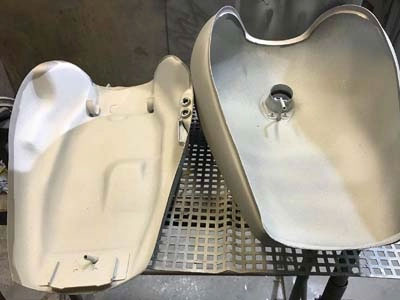
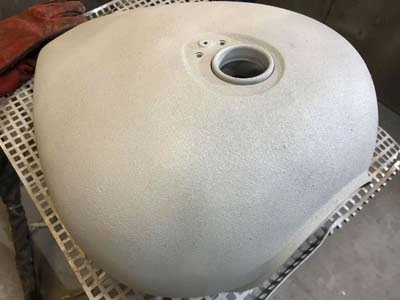
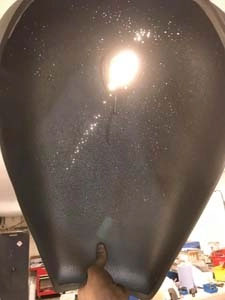
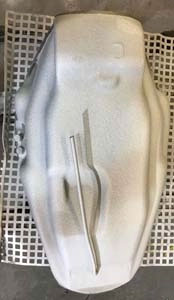
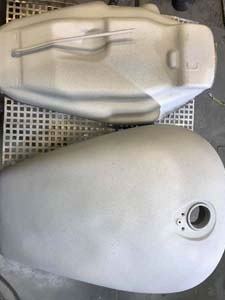
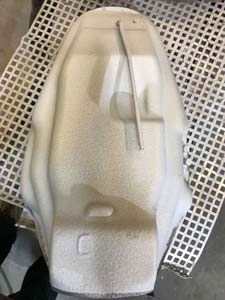
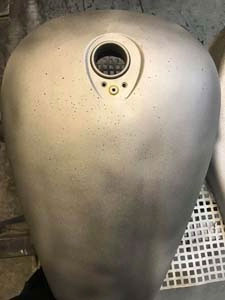
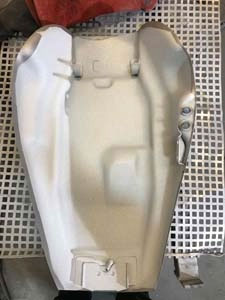
Petrol Tank Metallisation repair CASESTUDY
Metallisation complete with a new lease of life
I had my doubts that this would work but to me surprise it done the business.
No need for cutting and welding this was completed by pure zinc metallisation
Metallisation Bird Bath
Metallisation. 99.9% pure copper coated cast concrete bird bath. Given a few months of natural weathering it will look like an antique garden ornament. This can be carried out on just about any material including hard wood, plant pots, steel, cast iron.
Exhaust system blasted & zinc metallised
Metallisation. Giving a much extended life over standard pressed steel..
Blast clean & zinc metallisation
A somewhat unusual approach but this is what the client requested. Blast clean & zinc metallisation. We asked if he was sure. We prefer the parts to be removed before we start on such work.
ULTIMATE PROTECTION FOR YOUR PRIDE AND JOY!
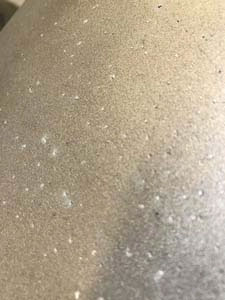
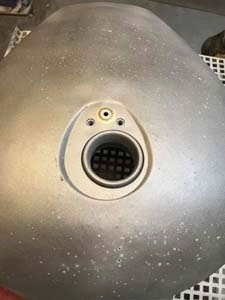
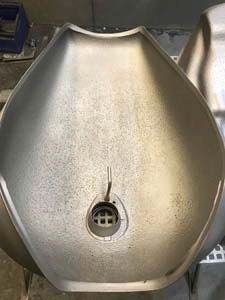
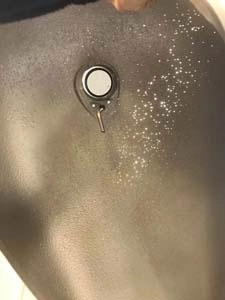
Ark sprayed pure zinc coat, epoxy etch primer. Polyester powder coat.
20 year anti corrosion warranty!
